Quote · Added 17 February 2026
If a plant cannot live according to its nature, it dies; and so a man.
No ratings yet
Quote · Added 17 February 2026
We treat this as a poetic idea, but Thoreau was being literal. A fish suffocating in air isn't being dramatic—it's simply incompatible with the conditions around it. The same happens to us, just slower and quieter. When you spend years in work that contradicts what actually matters to you, or in relationships that require you to pretend to be someone else, something real dies. Not overnight, but noticeably.
The tricky part is that humans are adaptable in ways plants aren't. We can convince ourselves we're fine for years while slowly withering. We call it responsibility, maturity, or just how life works. But Thoreau's point cuts through that: adaptation isn't the same as thriving. You can survive in almost any condition. Survival and life are not the same thing.
The non-obvious angle here is that knowing your nature matters more than circumstances do. Two people in identical situations can experience them completely differently depending on whether they're living according to what they actually need. One person's constraint is another's freedom. The real question isn't whether your life looks successful from outside—it's whether the person you're being day to day is actually you.
1817–1862·lived 44 years
Henry David Thoreau was an American essayist, poet, and philosopher, known for his transcendentalist writings advocating for individualism, nature appreciation, and civil disobedience. He is best known for his book "Walden, or Life in the Woods," which reflects on simple living in natural surroundings and has inspired generations of environmentalists and activists.
Also by Henry David Thoreau
That man is richest whose pleasures are cheapest.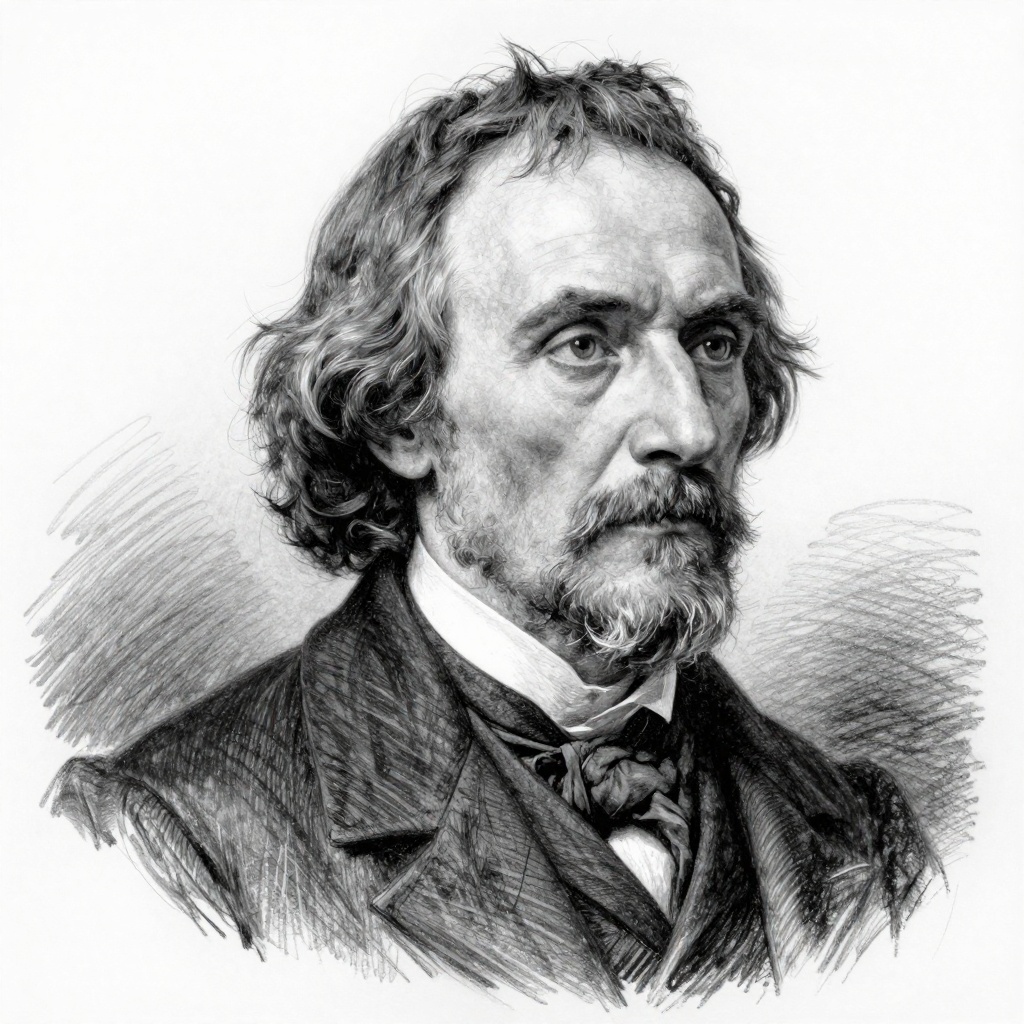
Comments