Quote · Added 14 February 2026
I say, beware of all enterprises that require new clothes, and not rather a new wearer of clothes.
Henry David ThoreauWalden, p. 50, 1854
No ratings yet
Quote · Added 14 February 2026
Most of us chase the costume before we chase the character. We buy the running shoes before we become a runner, the business suit before we learn to think like an entrepreneur, the expensive skincare before we develop actual discipline about sleep and water. Thoreau's point cuts deeper than just consumerism—he's noticing that we often reverse the natural order. We think the external trappings will somehow reshape us into the person we want to be, when really the transformation has to happen first, in how we think and move through the world.
The twist is that this applies to almost any reinvention we attempt. Starting a creative project, changing careers, healing a relationship, becoming healthier—we're tempted to begin with the props. New journal, new gym membership, new wardrobe. But Thoreau suggests the real work is the invisible stuff: the mental shift, the commitment, the new way of seeing yourself. The clothes are just evidence of change that's already happened inside.
This doesn't mean ignore externals entirely. But it's a useful gut-check: if you're planning to invest in something to transform your life, first ask whether you've already transformed how you think about it. The new wearer comes before the new clothes, every time.
1817–1862·lived 44 years
Henry David Thoreau was an American essayist, poet, and philosopher, known for his transcendentalist writings advocating for individualism, nature appreciation, and civil disobedience. He is best known for his book "Walden, or Life in the Woods," which reflects on simple living in natural surroundings and has inspired generations of environmentalists and activists.
Also by Henry David Thoreau
That man is richest whose pleasures are cheapest.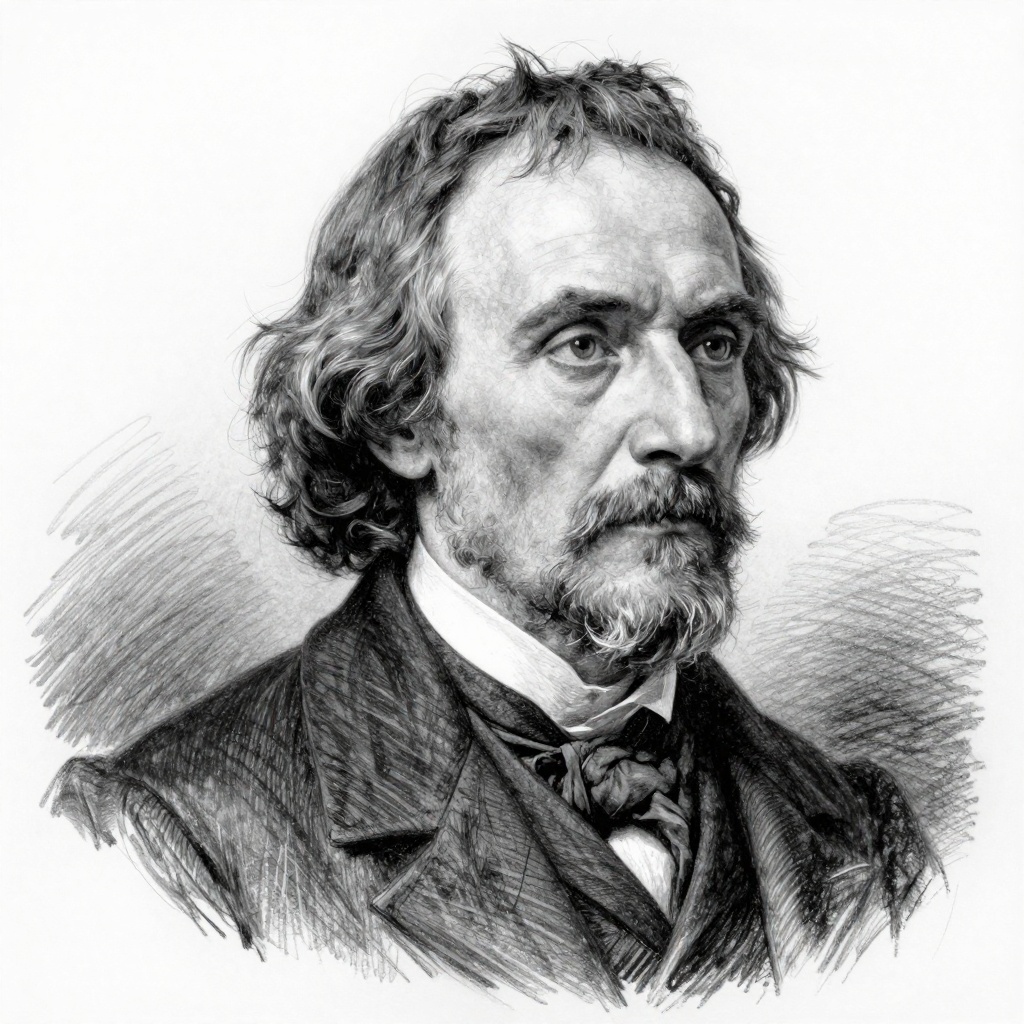
Comments