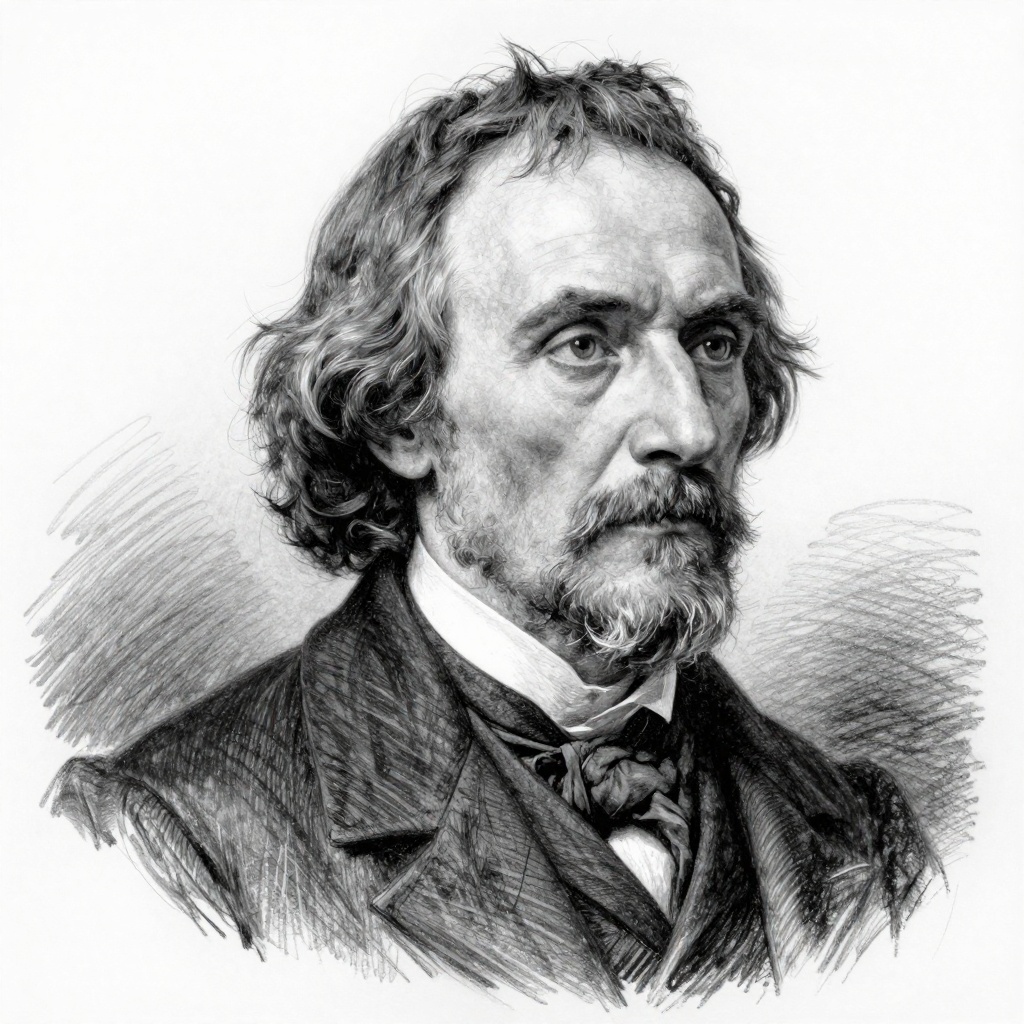
How does it become a man to behave towards the American government today? I answer, that he cannot without dis... — Henry David Thoreau

How does it become a man to behave towards the American government today? I answer, that he cannot without disgrace be associated with it.

Author: Henry David Thoreau

Insight: Thoreau was writing during the Mexican-American War, but he's touching on something we still grapple with: what happens when you genuinely believe your government is doing something wrong? Most of us feel this tension occasionally—we see a policy we despise, learn about a military action we oppose, or watch our leaders do something we think is corrupt. The question then becomes uncomfortable: what's our complicity? By paying taxes, voting in flawed systems, or simply staying quiet, are we endorsing the harm? The tricky part is that Thoreau wasn't suggesting we all move to the woods. He was saying there's a difference between disagreeing with your government and pretending it's basically fine. Real integrity sometimes means accepting social friction—withdrawing cooperation, speaking up loudly, or refusing to normalize what you find genuinely wrong. This doesn't mean dramatic gestures; it can be as simple as refusing to defend the indefensible or getting comfortable with being the person who says "actually, I think this is bad." What makes his point still sharp today is how easy it's become to just... opt out of caring. We can scroll past atrocities. We can tell ourselves politics is too complicated to judge. But Thoreau's challenge remains: you can't do that without knowing exactly what you're choosing.

Source: Civil Disobedience, 1849

How does it become a man to behave towards the American government today? I answer, that he cannot without disgrace be associated with it.

Henry David ThoreauCivil Disobedience, 1849

The cost of staying complicit

Thoreau was writing during the Mexican-American War, but he's touching on something we still grapple with: what happens when you genuinely believe your government is doing something wrong? Most of us feel this tension occasionally—we see a policy we despise, learn about a military action we oppose, or watch our leaders do something we think is corrupt. The question then becomes uncomfortable: what's our complicity? By paying taxes, voting in flawed systems, or simply staying quiet, are we endorsing the harm?

The tricky part is that Thoreau wasn't suggesting we all move to the woods. He was saying there's a difference between disagreeing with your government and pretending it's basically fine. Real integrity sometimes means accepting social friction—withdrawing cooperation, speaking up loudly, or refusing to normalize what you find genuinely wrong. This doesn't mean dramatic gestures; it can be as simple as refusing to defend the indefensible or getting comfortable with being the person who says "actually, I think this is bad."

What makes his point still sharp today is how easy it's become to just... opt out of caring. We can scroll past atrocities. We can tell ourselves politics is too complicated to judge. But Thoreau's challenge remains: you can't do that without knowing exactly what you're choosing.

Comments

Sign in to leave a comment or reply to one.

Sign in

Henry David Thoreau

Henry David Thoreau was an American essayist, poet, and philosopher, known for his transcendentalist writings advocating for individualism, nature appreciation, and civil disobedience. He is best known for his book "Walden, or Life in the Woods," which reflects on simple living in natural surroundings and has inspired generations of environmentalists and activists.

Graph

Related