Quote · Added 14 February 2026
Dreams are the touchstones of our character.
Henry David ThoreauA Week on the Concord and Merrimack Rivers, 1849
No ratings yet
Quote · Added 14 February 2026
What we actually want—not what we think we should want—reveals who we really are. Your dreams expose the gap between the person you present to the world and the person you become when no one's watching. They show what you value when you're not performing or compromising or playing it safe.
This matters because we spend so much energy managing the image we project. We say the right things, make the "sensible" choices, stay practical. But then you notice what you daydream about during a boring meeting, or what keeps you up at night, or what you secretly research when you're alone. Those unguarded moments are where your actual self lives. The dream of starting something creative, of moving to a different place, of having more meaningful relationships—these aren't distractions from your real life. They're evidence of what your character actually values.
The slightly uncomfortable part: sometimes our dreams contradict the life we've built. We might discover we want something that conflicts with our responsibilities or how we've defined ourselves. But that's exactly why Thoreau called them touchstones. They're the measuring tools we can use to check in with ourselves and ask whether we're living aligned with our actual character, or whether we've drifted into someone else's version of who we should be.
1817–1862·lived 44 years
Henry David Thoreau was an American essayist, poet, and philosopher, known for his transcendentalist writings advocating for individualism, nature appreciation, and civil disobedience. He is best known for his book "Walden, or Life in the Woods," which reflects on simple living in natural surroundings and has inspired generations of environmentalists and activists.
Also by Henry David Thoreau
That man is richest whose pleasures are cheapest.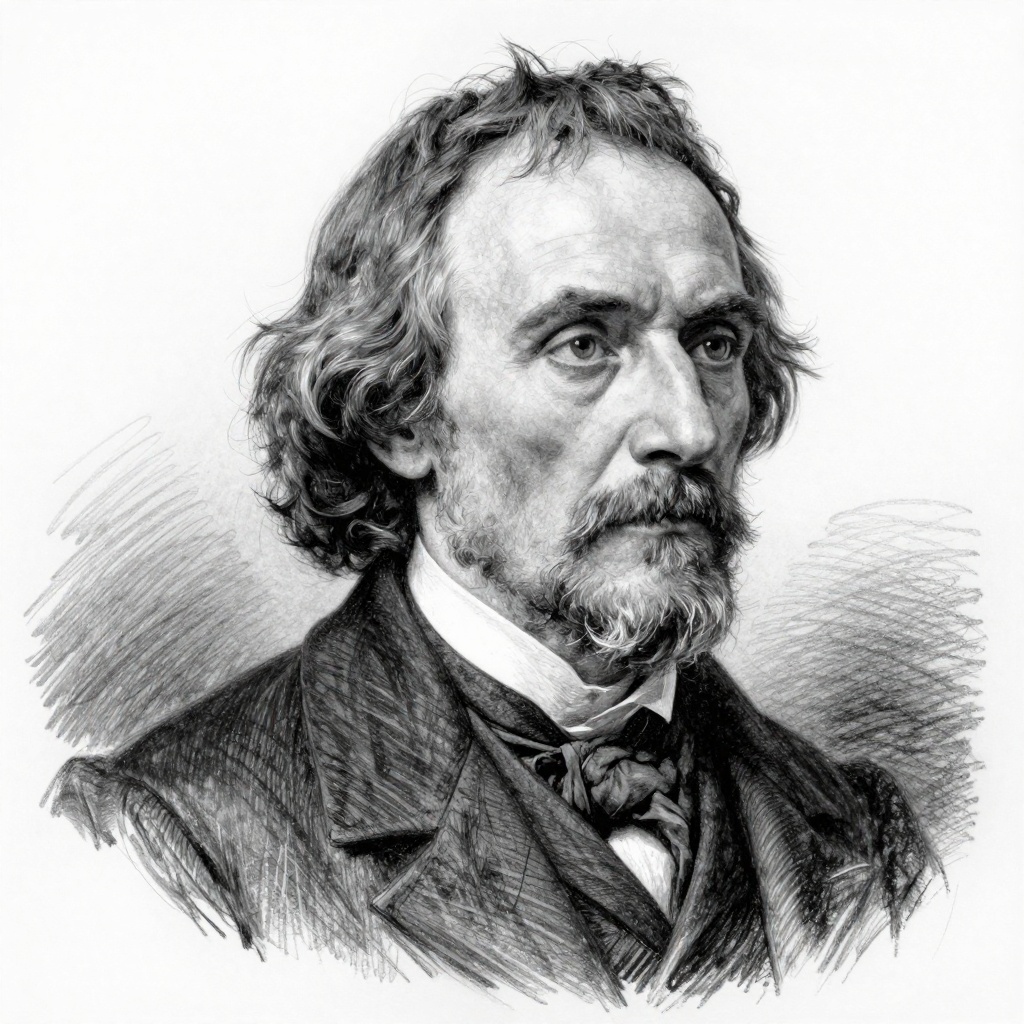
Comments