Quote · Added 10 February 2026
Could a greater miracle take place than for us to look through each other's eyes for an instant?
Henry David ThoreauWalden, Chapter I: Economy, 1854
No ratings yet
Filed undermiracle·empathy·connection
Quote · Added 10 February 2026
Filed undermiracle·empathy·connection
We spend most of our lives convinced we already understand each other. Someone says something and we instantly file it into our existing categories—we know what they mean, we know what they really think, we've heard it before. But Thoreau's question cuts right through that false confidence. What if the actual miracle isn't some grand cosmic event, but the simple act of genuinely seeing what someone else sees?
The trick is that this sounds easier than it is. Looking through someone else's eyes doesn't mean agreeing with them or abandoning your own perspective. It means the harder work of understanding why they see things that way—what experiences shaped their lens, what matters to them that you've never had to consider. A parent finally gets why their teenager feels suffocated. A conservative and liberal actually grasp each other's core fears, not their strawman versions. These moments are rare and exhausting and absolutely transformative when they happen.
Maybe the real miracle Thoreau's pointing to is that it's possible at all. In a world where we're all so locked inside our own heads, the fact that two people can briefly step into each other's reality—even imperfectly—is genuinely extraordinary. It doesn't solve everything, but it changes everything about how we might try.
1817–1862·lived 44 years
Henry David Thoreau was an American essayist, poet, and philosopher, known for his transcendentalist writings advocating for individualism, nature appreciation, and civil disobedience. He is best known for his book "Walden, or Life in the Woods," which reflects on simple living in natural surroundings and has inspired generations of environmentalists and activists.
Also by Henry David Thoreau
That man is richest whose pleasures are cheapest.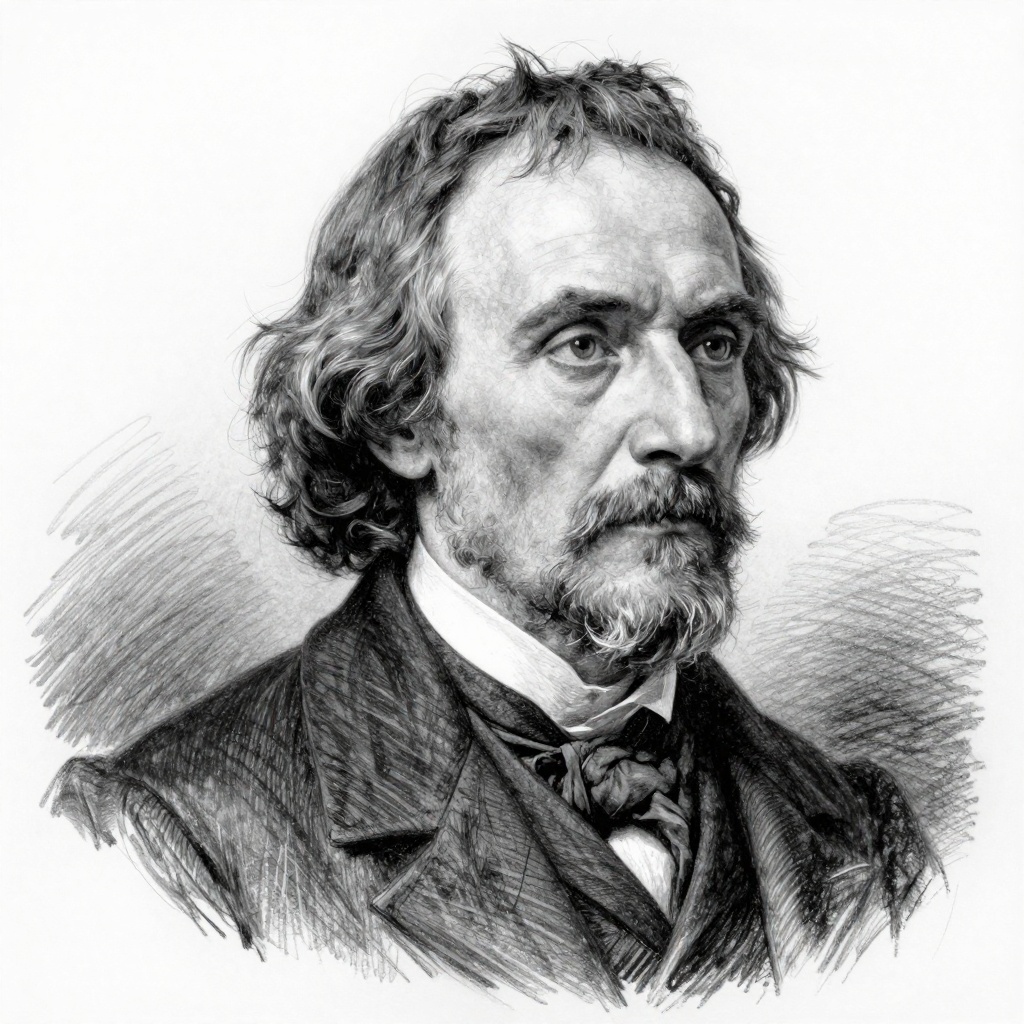
Comments