Quote · Added 15 February 2026
be yourself- not your idea of what you think somebody else's idea of yourself should be.
No ratings yet
Filed underself·individuality·authenticity
Quote · Added 15 February 2026
Filed underself·individuality·authenticity
We spend so much energy performing a version of ourselves we think others expect. But here's the twist: most people are too caught up in their own anxieties to care as much as we think they do. That coworker you're trying to impress? Probably wondering if you judged their lunch choice. Your in-laws? Mostly thinking about their own stuff. The exhaustion comes from maintaining something that barely registers to anyone else.
What Thoreau is really pointing at is that it's layers of fakeness—not just being yourself, but being yourself instead of your idea of someone else's idea of yourself. That's the trap we actually fall into. We imagine how we think someone sees us, then we perform that imagined version, which is a pale copy of a copy. No wonder it feels exhausting and hollow.
The relief isn't about radical honesty or shocking everyone. It's simpler: when you stop translating yourself through so many imaginary mirrors, you have actual energy left for things that matter. You can think clearer, feel less tired, and weirdly enough, people usually respond better to the real version anyway. Not because everyone loves everything about you, but because genuine presence is so rare that it stands out.
1817–1862·lived 44 years
Henry David Thoreau was an American essayist, poet, and philosopher, known for his transcendentalist writings advocating for individualism, nature appreciation, and civil disobedience. He is best known for his book "Walden, or Life in the Woods," which reflects on simple living in natural surroundings and has inspired generations of environmentalists and activists.
Also by Henry David Thoreau
That man is richest whose pleasures are cheapest.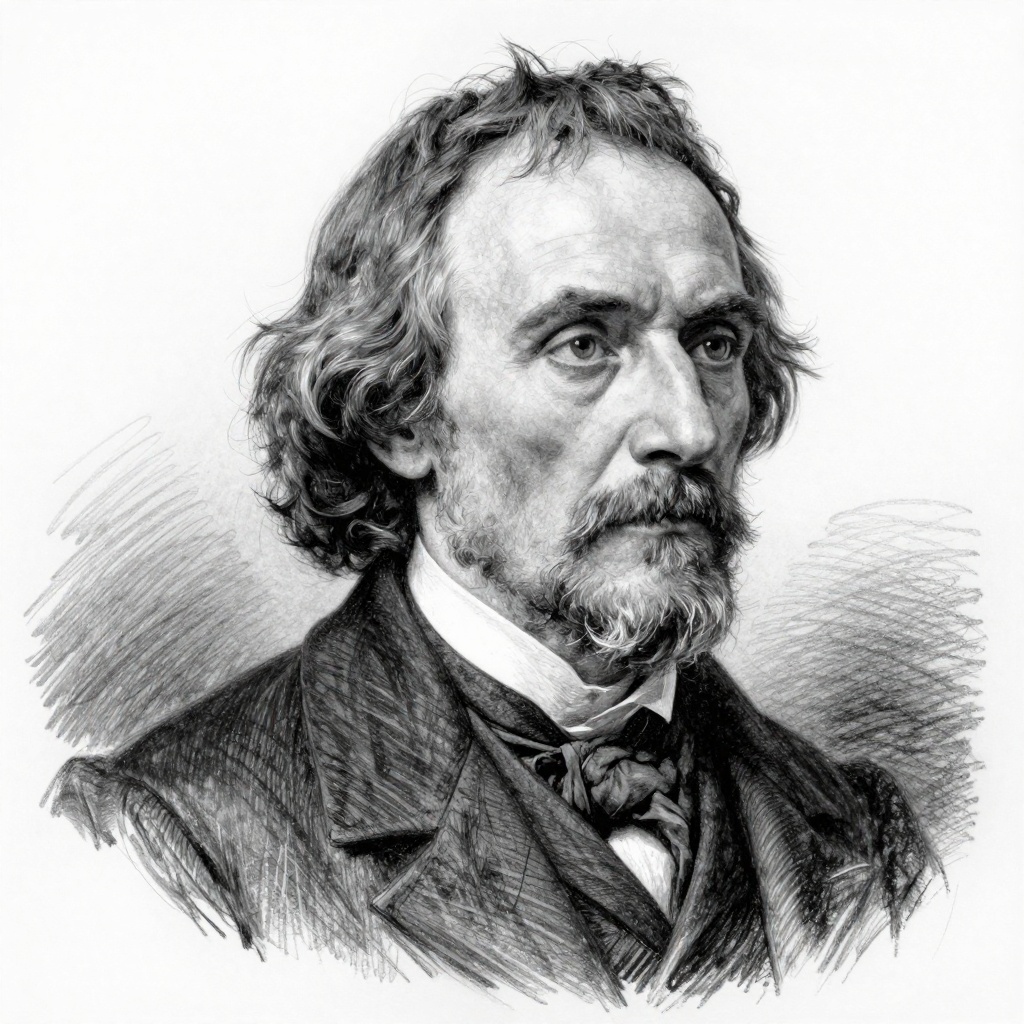
Comments