Quote · Added 14 February 2026
As if you could kill time without injuring eternity.
Henry David ThoreauWalden, p. 85, 1854
No ratings yet
Filed undertime·eternity·consequence
Quote · Added 14 February 2026
Filed undertime·eternity·consequence
There's a quiet accusation buried in this line that most of us miss. We talk about "killing time" constantly—scrolling while waiting, binge-watching on a Tuesday night, staying late at work doing busywork—as though time is this abundant resource we have permission to waste. But Thoreau's suggesting something unsettling: that time isn't separate from life itself. When you kill an hour, you're not erasing it from some cosmic surplus. You're erasing it from your actual existence.
The real weight of this hits when you think about the things you skip while passing time. You're not just losing a Wednesday afternoon; you're losing a specific afternoon you'll never get back, one where you could have learned something, moved closer to someone, or simply felt present in your own life. That's what he means by injuring eternity—it's not mystical. It's just the recognition that the life you're trying to escape through distraction is literally the only life you're living.
The surprising part? This doesn't mean you need to be productive every second. It means when you do choose to rest, read, or do nothing, you're not wasting time at all. You're actually living it. The injury comes from the pretense of escape, not from the choosing itself.
1817–1862·lived 44 years
Henry David Thoreau was an American essayist, poet, and philosopher, known for his transcendentalist writings advocating for individualism, nature appreciation, and civil disobedience. He is best known for his book "Walden, or Life in the Woods," which reflects on simple living in natural surroundings and has inspired generations of environmentalists and activists.
Also by Henry David Thoreau
That man is richest whose pleasures are cheapest.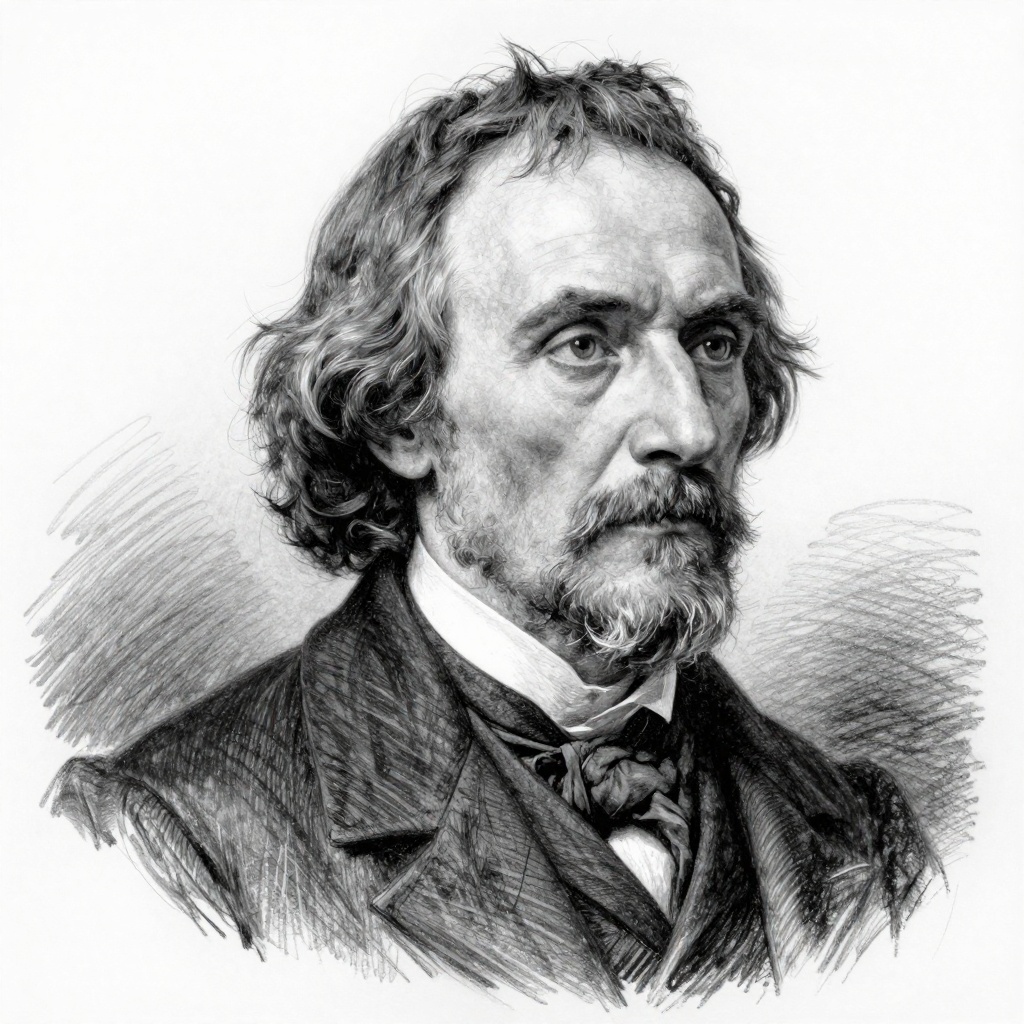
Comments