Quote · Added 14 February 2026
Nothing in education is so astonishing as the amount of ignorance it accumulates in the form of inert facts.
Henry AdamsThe Education of Henry Adams, p. 123, 1918
Quote · Added 14 February 2026
We've all sat through a lesson that felt like pouring water into a bucket with a hole in the bottom. You memorize the capitals, the dates, the formulas—and by next week, they've evaporated. But Adams is pointing at something deeper than just bad memory. He's describing how education can actually make us feel educated while leaving us intellectually helpless. We end up carrying around facts that don't connect to anything, that don't change how we think or act.
The real problem emerges in how we use what we've learned. Someone might know the statistics about climate change but feel paralyzed about what to do. Another person memorizes historical dates without grasping why those moments mattered. We mistake information for understanding, and then wonder why our schooling doesn't seem to translate into actual wisdom or capability.
The uncomfortable truth is that accumulating inert facts can actually get in the way. It makes us overconfident—we feel like we know something when we've only filed it away. Real learning happens when facts connect to questions, when they reshape how we see the world. The goal isn't to pour more facts in; it's to learn in a way that sticks because it means something.
1838–1918·lived 80 years
Henry Adams (1838-1918) was an American historian, author, and member of the Adams political family, renowned for his works on American history and his critiques of society and politics during the Gilded Age. He is best known for "The Education of Henry Adams," an autobiographical account that reflects on his experiences and the challenges of modernization. In addition to his literary contributions, he served as a historian and worked in various capacities, including as a diplomat in Europe.
Also by Henry Adams
All experience is an arch, to build upon.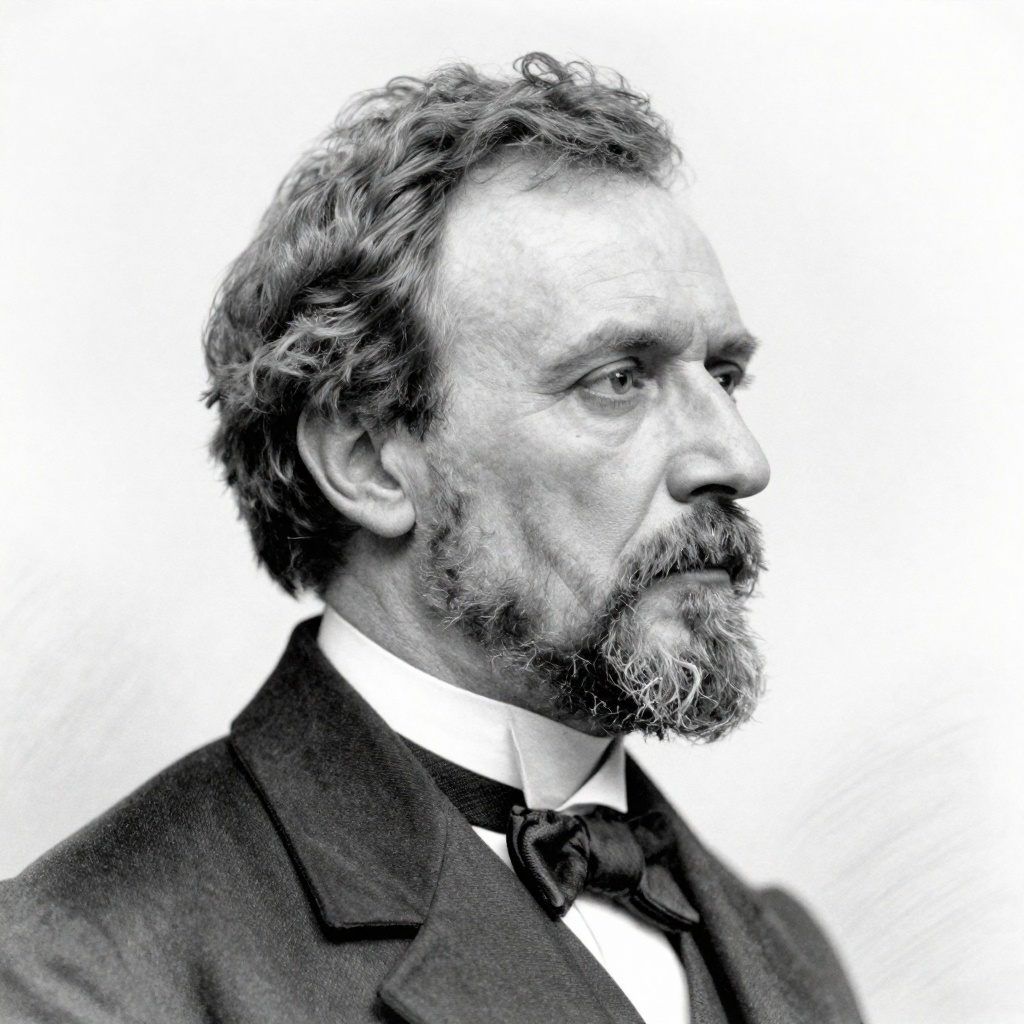
Comments