Quote · Added 14 February 2026
Chaos was the law of nature; Order was the dream of man.
Henry AdamsThe Education of Henry Adams, p. 200, 1918
Quote · Added 14 February 2026
There's something almost liberating in accepting that the universe doesn't care about your perfectly organized plans. Storms happen without warning, projects derail for reasons nobody predicted, and life pivots on moments we never saw coming. We spend enormous energy fighting against this—building systems, making schedules, creating rules—as if order is something we can nail down permanently. But the real insight here isn't that we should give up and embrace chaos. It's that the gap between what we want and what actually happens is where we actually live.
The interesting part is that recognizing this gap doesn't make us powerless. Instead, it's oddly freeing. When you stop expecting the world to cooperate with your blueprint, you can actually respond better when things fall apart. You become more flexible, more creative, less devastated by surprises. The people who handle unexpected change best aren't the ones with the most detailed plans—they're the ones who hold their systems lightly, who see order as something useful but temporary.
So the dream of order isn't wasted effort. It's just worth remembering it's a dream, something we impose on reality rather than something reality naturally contains. Maybe that makes the order we do create feel a little more meaningful—less like following the universe's design and more like carving out small patches of intention in something fundamentally wild.
1838–1918·lived 80 years
Henry Adams (1838-1918) was an American historian, author, and member of the Adams political family, renowned for his works on American history and his critiques of society and politics during the Gilded Age. He is best known for "The Education of Henry Adams," an autobiographical account that reflects on his experiences and the challenges of modernization. In addition to his literary contributions, he served as a historian and worked in various capacities, including as a diplomat in Europe.
Also by Henry Adams
All experience is an arch, to build upon.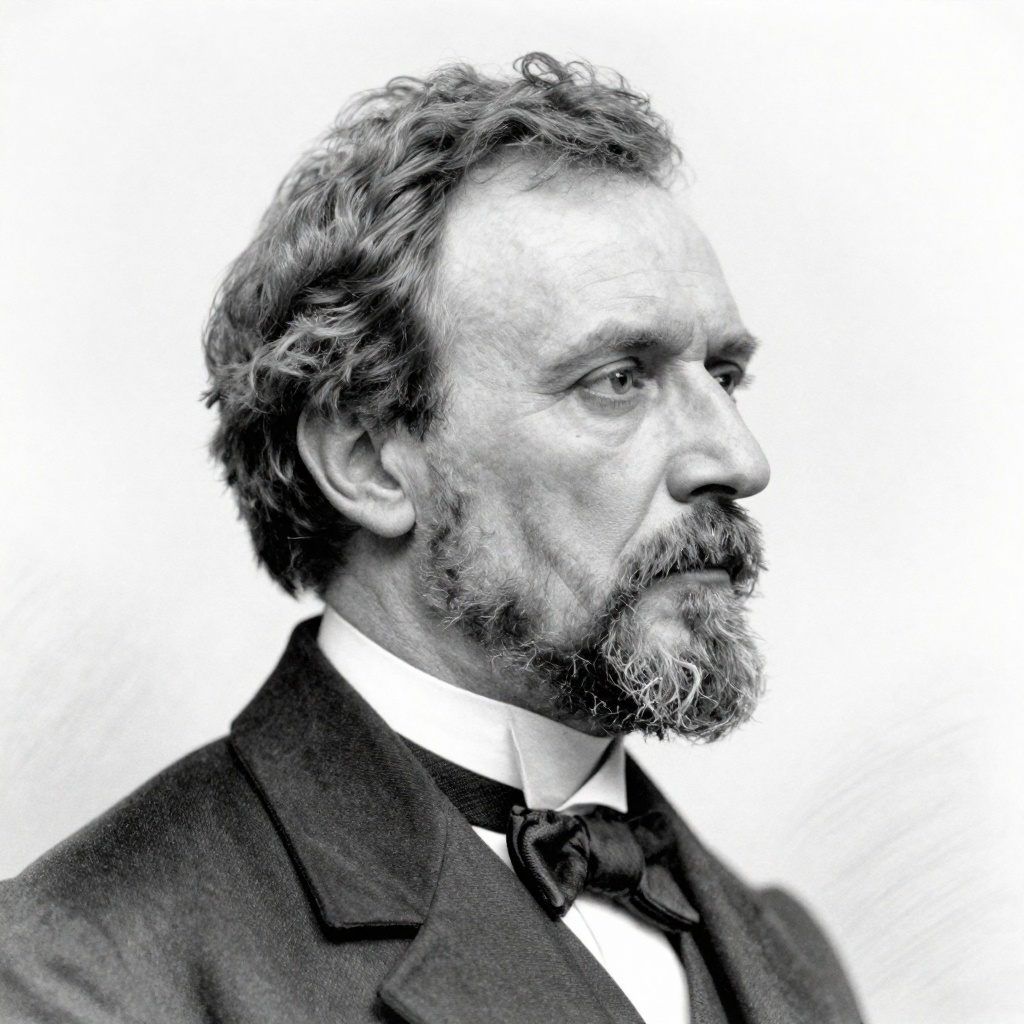
Comments