Quote · Added 10 February 2026
Either I will find a way, or I will make one.
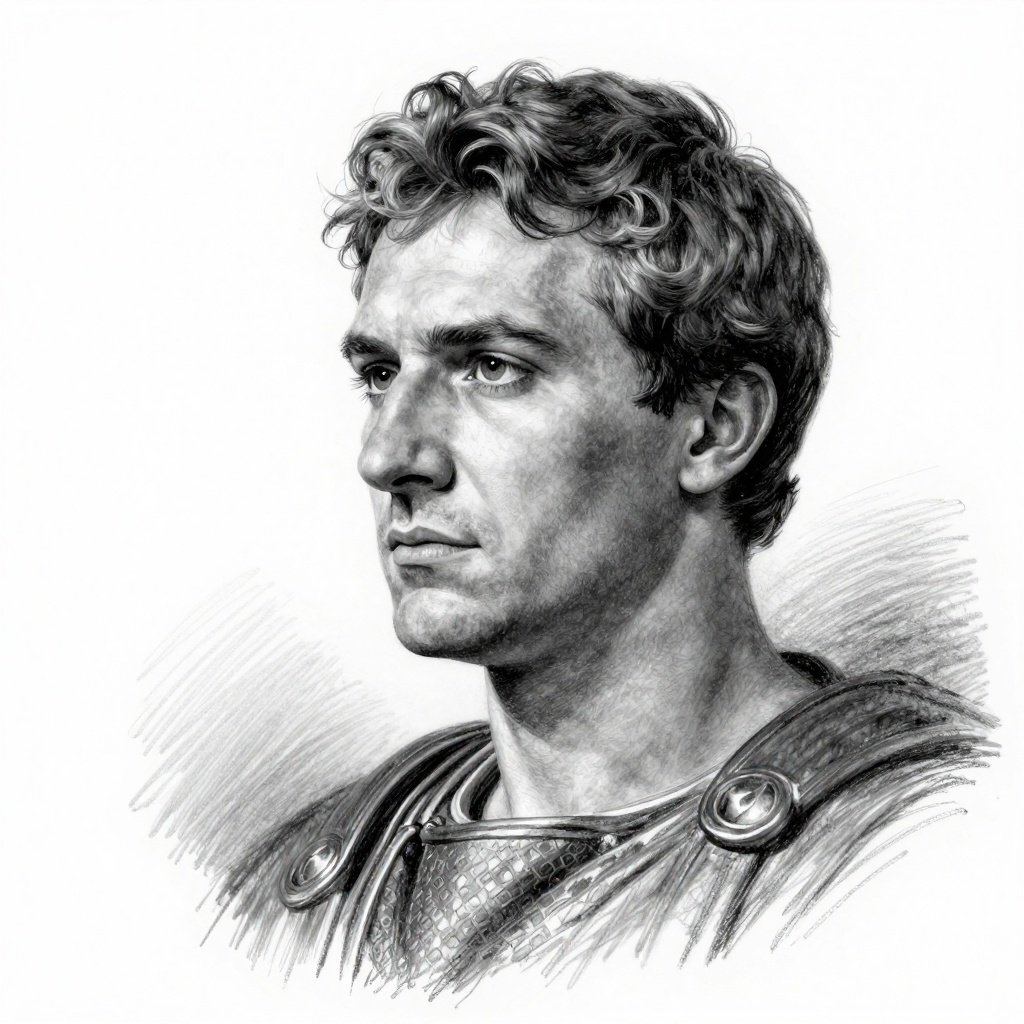
Hannibal BarcaAut Inveniam Viam Aut Faciam, The Conversation Hub, 2025
No ratings yet
Filed underway·determination·perseverance
Quote · Added 10 February 2026
Filed underway·determination·perseverance
We usually hear this quote as pure determination—the kind of thing you'd see on a motivational poster next to a mountain climber. But what makes it quietly powerful is that it's not about being relentlessly positive or never hitting obstacles. It's about accepting that the path you want probably doesn't exist yet, and that's fine. You're not waiting for permission or the perfect conditions. You're committed to solving the problem, whatever that takes.
This matters in everyday life because we often get stuck in either-or thinking: either the job market cooperates or I'm stuck, either people understand my idea or it fails, either circumstances align or I give up. But Hannibal's approach collapses that. If the conventional route is blocked, you don't declare defeat—you get creative. You rethink the approach, ask different people, learn new skills, try something sideways. The breakthrough rarely comes from insisting the world change; it comes from recognizing you have more agency than you thought.
The slightly unsettling part? This also means accepting that solutions might be messier, harder, or require more patience than the easy path would have. But that's exactly why most people don't actually find or make new ways—not because they can't, but because they give up before the real work starts.
d. 183
Hannibal Barca was a Carthaginian general and military commander known for his strategic genius during the Second Punic War against Rome. He is best known for his audacious crossing of the Alps with elephants and his series of victories in Italy, including the famous Battle of Cannae in 216 BC.
Comments