Quote · Added 19 February 2026
A little inaccuracy sometimes saves a ton of explanation.
No ratings yet
Filed underinaccuracy·simplicity·communication
Quote · Added 19 February 2026
Filed underinaccuracy·simplicity·communication
We live in a culture that prizes precision—we fact-check everything, we call people out for small errors, we build entire professions around accuracy. Yet Munro's observation cuts against this impulse in a way that feels both refreshing and slightly uncomfortable, because he's pointing at something we all do: sometimes the slightly simplified version is actually more useful than the technically correct one.
Think about how you explain things to friends or family. The oversimplified version often moves the conversation forward more smoothly than getting bogged down in caveats and exceptions. "I'm not a morning person" is technically inaccurate—you can wake up early when necessary—but it communicates something true about your temperament in a way that's immediately understood. The small inaccuracy prevents you from needing to detail your sleep patterns, circadian rhythms, and historical context just to explain why you're grumpy before coffee.
The trick is knowing which inaccuracies matter and which ones don't. Rounding up in casual conversation is different from fudging numbers that affect someone's health or safety. But recognizing that not everything requires archaeological levels of precision can actually make us better communicators. Sometimes clarity wins over completeness, and sometimes that's exactly the right call.
1870–1916·lived 45 years
H. H. Munro, also known by his pen name Saki, was a British author and playwright born on December 18, 1870, in Akyab, Burma. He is best known for his witty, sometimes macabre short stories, which often satirize Edwardian society and its conventions. Munro's most famous works include "The Interlopers" and "The Open Window," and he was notable for his mastery of irony and intricate plots before his untimely death in 1916.
Also by H. H. Munro
He is one of those people who would be enormously improved by death.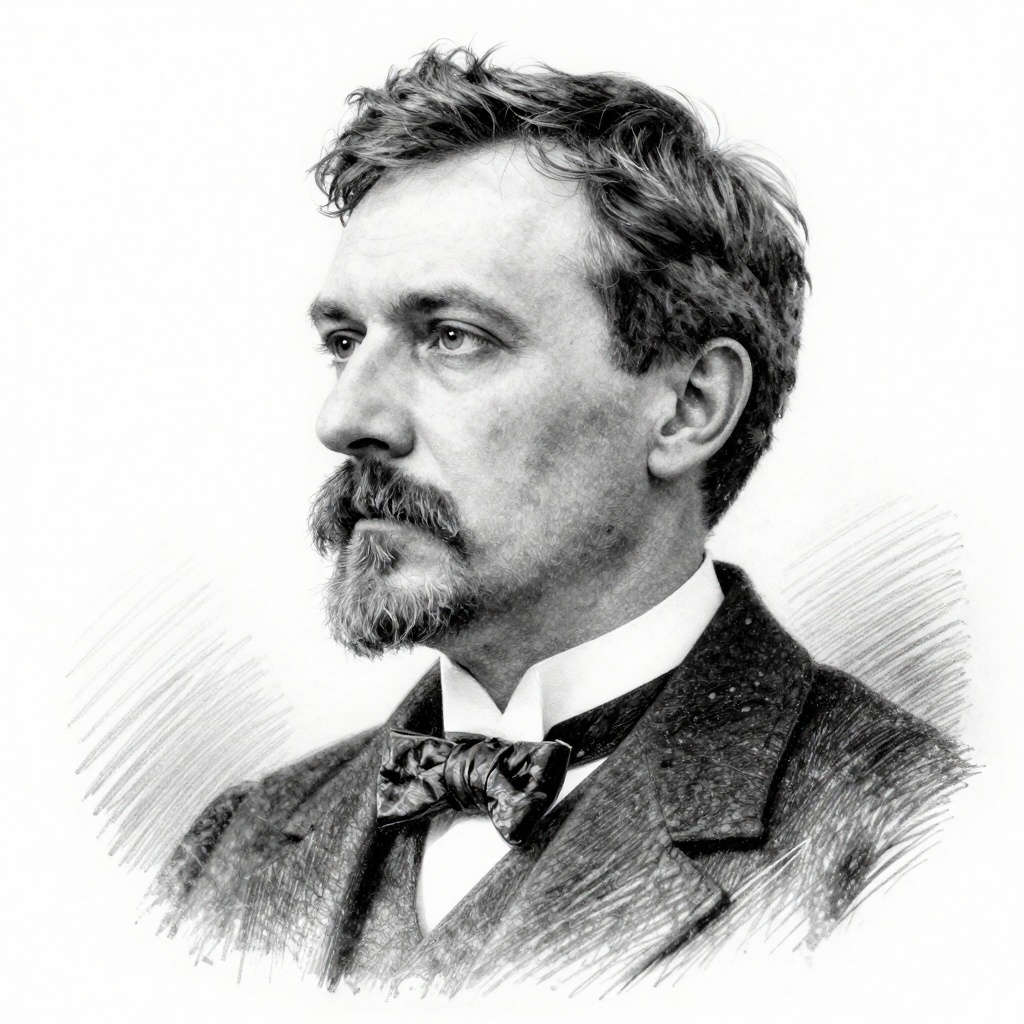
Comments