Quote · Added 19 February 2026
He is one of those people who would be enormously improved by death.
No ratings yet
Filed underdeath·improvement·irony
Quote · Added 19 February 2026
Filed underdeath·improvement·irony
There's something darkly honest about this line that modern life makes more relevant, not less. We all know people like this—not necessarily villains, but people whose presence seems to diminish rather than enrich the world around them. They drain energy from conversations, leave relationships worse than they found them, or spend their days making others smaller. The quote isn't really about wishing someone dead; it's about recognizing that some people's impact is purely negative, and would remain so.
The twist is that this observation often says more about our complicity than about them. We keep these people in our lives because they're family, coworkers, or old friends. We tolerate their patterns rather than setting boundaries or stepping away. The quote cuts both ways: yes, some people would improve by exiting our lives, but we'd also improve by having the clarity and courage to let them go. It's less an insult than an uncomfortable permission slip.
What makes it sting is how it applies to ourselves on bad days. We've all been the person bringing nothing but complaints, negativity, or harm to someone's day. The question isn't whether you're thinking about someone else—it's whether you're willing to change the pattern.
1870–1916·lived 45 years
H. H. Munro, also known by his pen name Saki, was a British author and playwright born on December 18, 1870, in Akyab, Burma. He is best known for his witty, sometimes macabre short stories, which often satirize Edwardian society and its conventions. Munro's most famous works include "The Interlopers" and "The Open Window," and he was notable for his mastery of irony and intricate plots before his untimely death in 1916.
Also by H. H. Munro
A little inaccuracy sometimes saves a ton of explanation.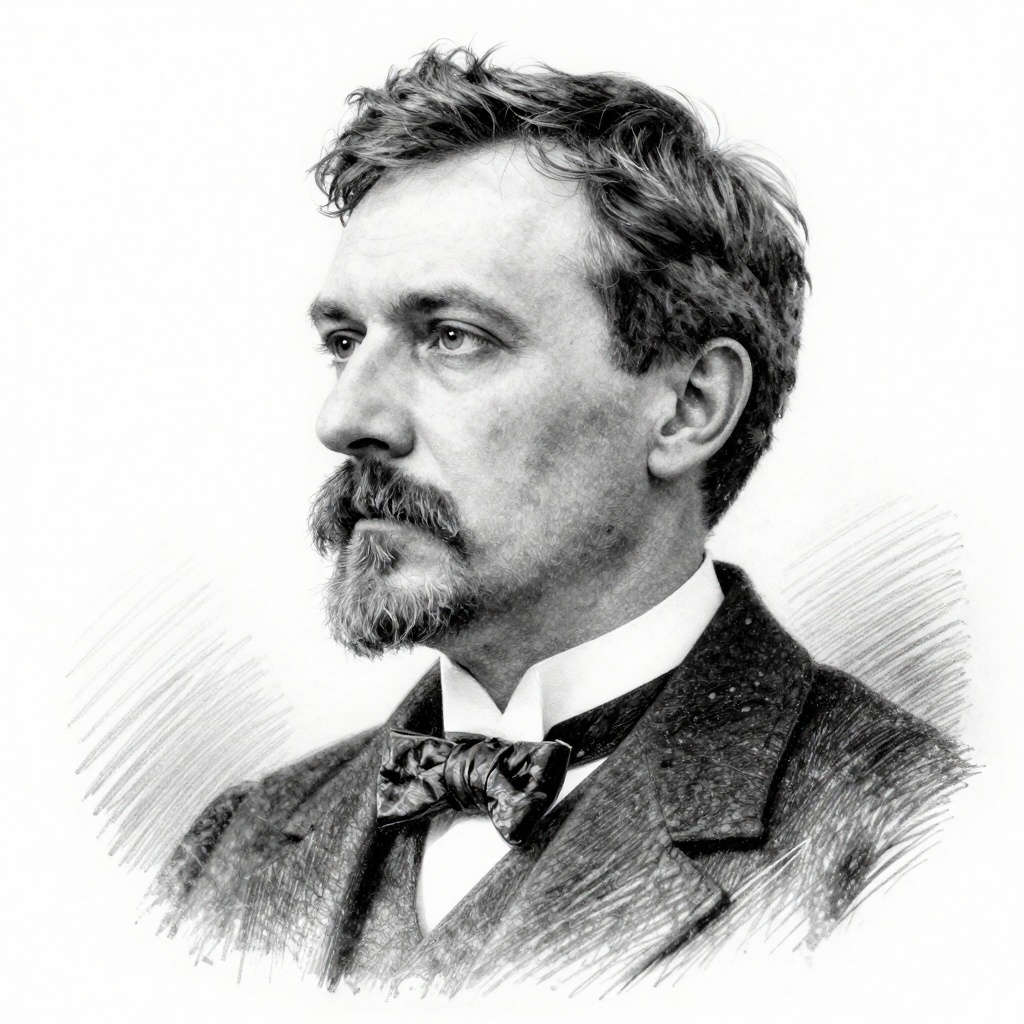
Comments