Quote · Added 14 February 2026
Reading
AI generatedWhen winning costs the relationship
Most of us recognize this tension in miniature: the moment when someone chooses winning the argument over preserving the relationship, or when a manager prioritizes control over actually helping their team thrive. We live in a world still deeply organized around dominance—who's in charge, who gets credit, whose way prevails. These arrangements feel natural, almost inevitable, because they've shaped us so thoroughly.
But what's quietly radical about this idea is that it doesn't require you to become passive or naive. Replacing the love of power with the power of love isn't about surrendering or being a doormat. It's about redirecting that same fierce energy—the determination, the commitment, the willingness to dig in—toward something that actually holds. A parent enforcing a boundary because they love their child. A leader making a hard decision because they care about their team's future. An ordinary person standing up against injustice because they're moved by principle, not ego.
The peace Gladstone describes doesn't sound naive when you think about it this way. It's not peace born from weakness or indifference. It's what becomes possible when competent, driven people stop treating every interaction as a power struggle. Most of us, if we're honest, have felt the exhaustion of living in constant low-grade competition. We're more tired from the love of power than we'd admit.
The author
All 2 quotes by Gladstone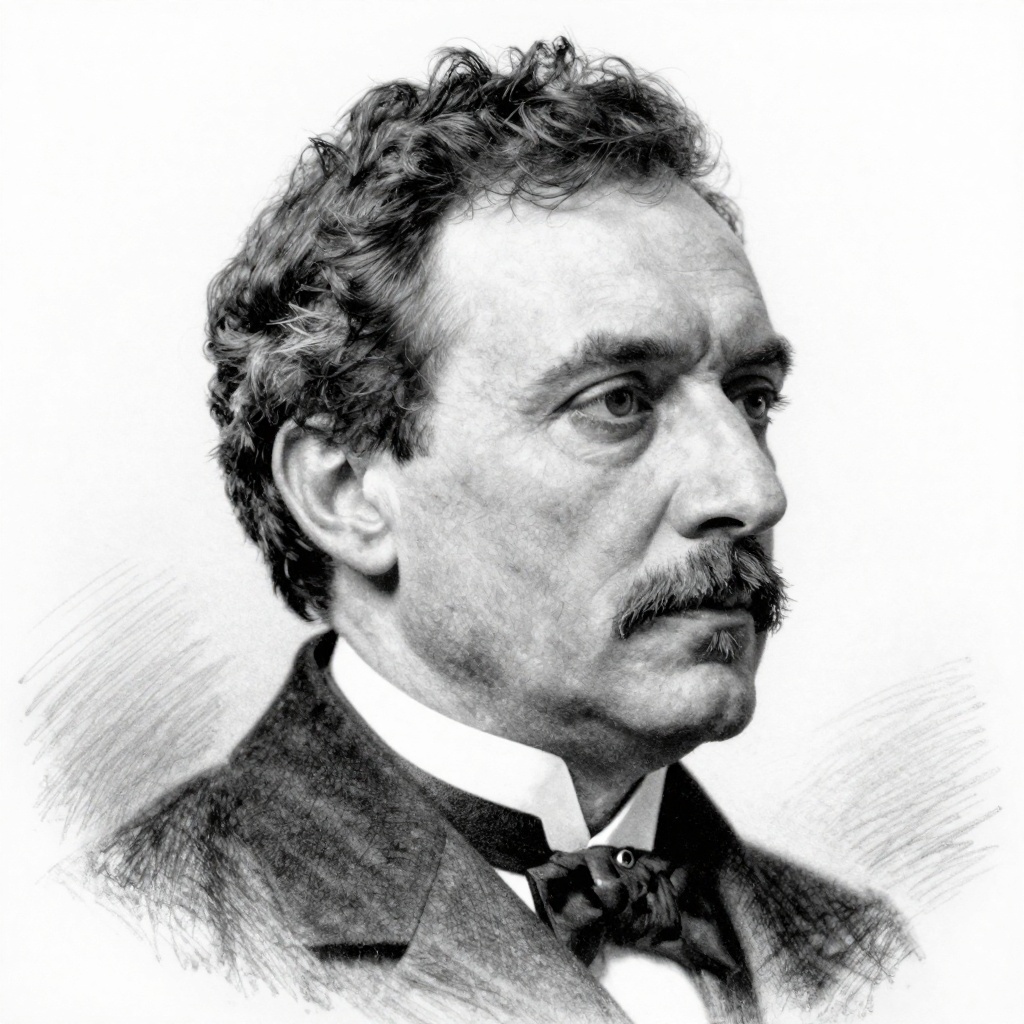
Gladstone
d. 1898
William Ewart Gladstone was a British statesman and leader of the Liberal Party, serving as Prime Minister four times between 1868 and 1894. Known for his significant reforms in domestic policy, including education and finance, he was also a key figure in foreign affairs, notably for his stance on Irish home rule. Gladstone's eloquence and commitment to democratic principles earned him a lasting legacy in British politics.
Comments