Quote · Added 14 February 2026
Be happy with what you have and are, be generous with both, and you won't have to hunt for happiness. William E.
GladstoneThe Socratic Method, 2023
Filed underhappiness·generosity·contentment
Quote · Added 14 February 2026
Filed underhappiness·generosity·contentment
There's a quiet rebellion in this idea. Most of us are trained to believe that happiness lives somewhere ahead—once we earn more, lose weight, change jobs, find the right person. We're always hunting. But Gladstone points to something stranger: that contentment actually works backward. It's not about giving up ambition. It's about the specific mental shift that happens when you stop treating your current life as a waiting room.
The generosity piece is the part that catches people off guard. You'd think accepting what you have would make you stingy—protective, afraid to lose what little you've got. Instead, the opposite tends to happen. People who feel genuinely okay with their lives tend to give more freely: their time, attention, encouragement. There's less desperation in it. And that generosity, weirdly, is where actual happiness lives. It's relational. It's social. It's the antidote to the grinding loneliness of always wanting more.
The practical trap is obvious: it's easy to dismiss this as privileged advice if you're struggling. Fair enough. But even in real constraints, there's usually some tiny version of this available—some corner where you can practice gratitude for what exists, and generosity toward someone nearby. Not as a shortcut to happiness, but as the beginning of it.
d. 1898
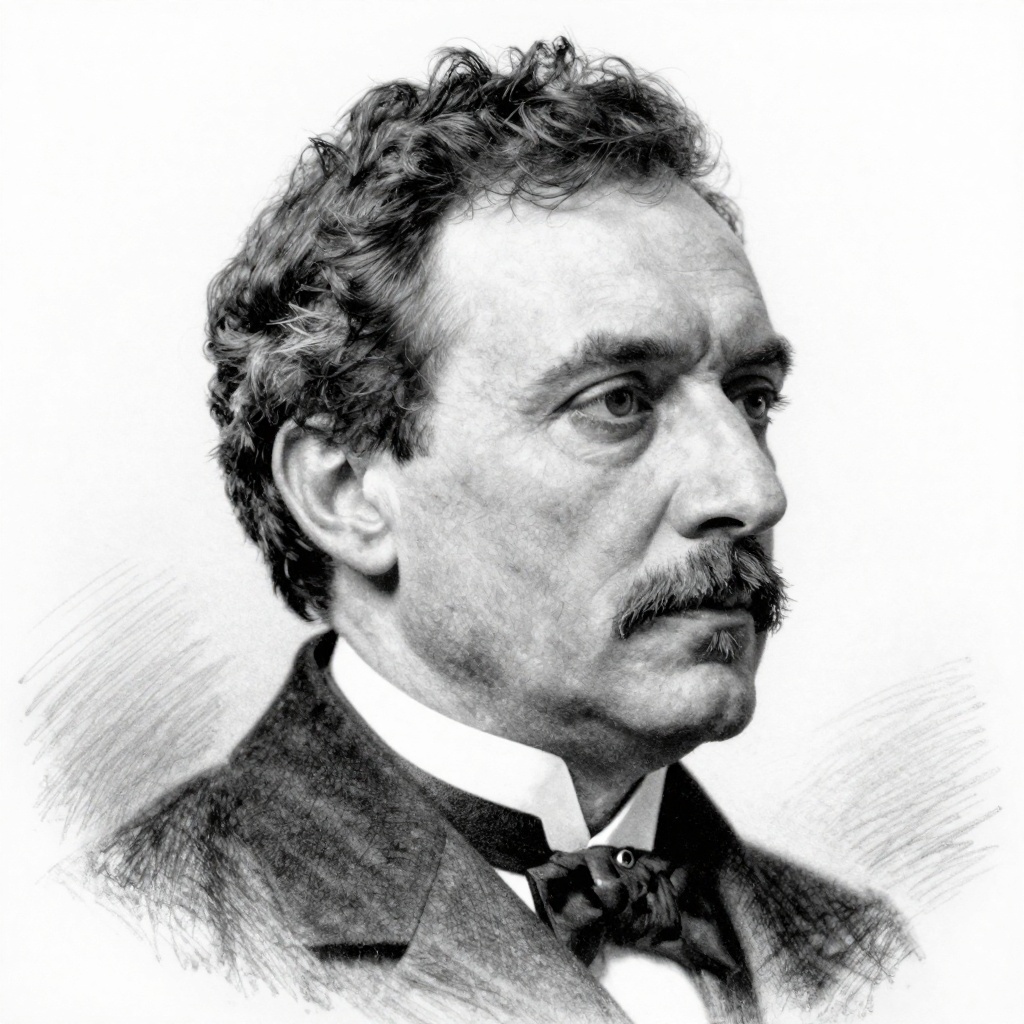
William Ewart Gladstone was a British statesman and leader of the Liberal Party, serving as Prime Minister four times between 1868 and 1894. Known for his significant reforms in domestic policy, including education and finance, he was also a key figure in foreign affairs, notably for his stance on Irish home rule. Gladstone's eloquence and commitment to democratic principles earned him a lasting legacy in British politics.
Comments