Quote · Added 14 February 2026
Fight the good fight of faith, and God will give you spiritual mercies.
George WhitefieldSermons, p. 123, 1771
Quote · Added 14 February 2026
There's something bracing about the word "fight" here. We often treat faith like something that should come easily—a feeling we either have or don't. But Whitefield reminds us it's actually work, a daily wrestling match with doubt, distraction, and the pull of easier paths. That reframing alone changes how we might approach our own struggles with belief.
What's less obvious is that he's not promising comfort or quick answers. He's saying the fighting itself matters. You show up, you wrestle with your convictions, you choose them again even when they're inconvenient—and that action, that sustained choice, is what opens you to grace. It's the opposite of passive waiting. It suggests that spiritual growth comes not from passive reception but from active commitment, the same way muscles only strengthen through resistance.
In a world that wants everything frictionless and immediately gratifying, this feels countercultural. It says meaningful change requires effort. Whether you're religious or not, there's wisdom in recognizing that the things we value most—deeper relationships, integrity, peace of mind—aren't won by drifting. They're won by choosing them repeatedly, especially when it's hard.
1714–1770·lived 55 years
George Whitefield (1714–1770) was an influential English Anglican cleric and evangelist who was a key figure in the Great Awakening – a religious revival in 18th-century Britain and its American colonies. Known for his powerful preaching style and ability to captivate large crowds, Whitefield traveled extensively, spreading his message and playing a significant role in shaping religious beliefs in the British colonial America.
Also by George Whitefield
Press forward. Do not stop, do not linger in your journey, but strive for the mark set bef...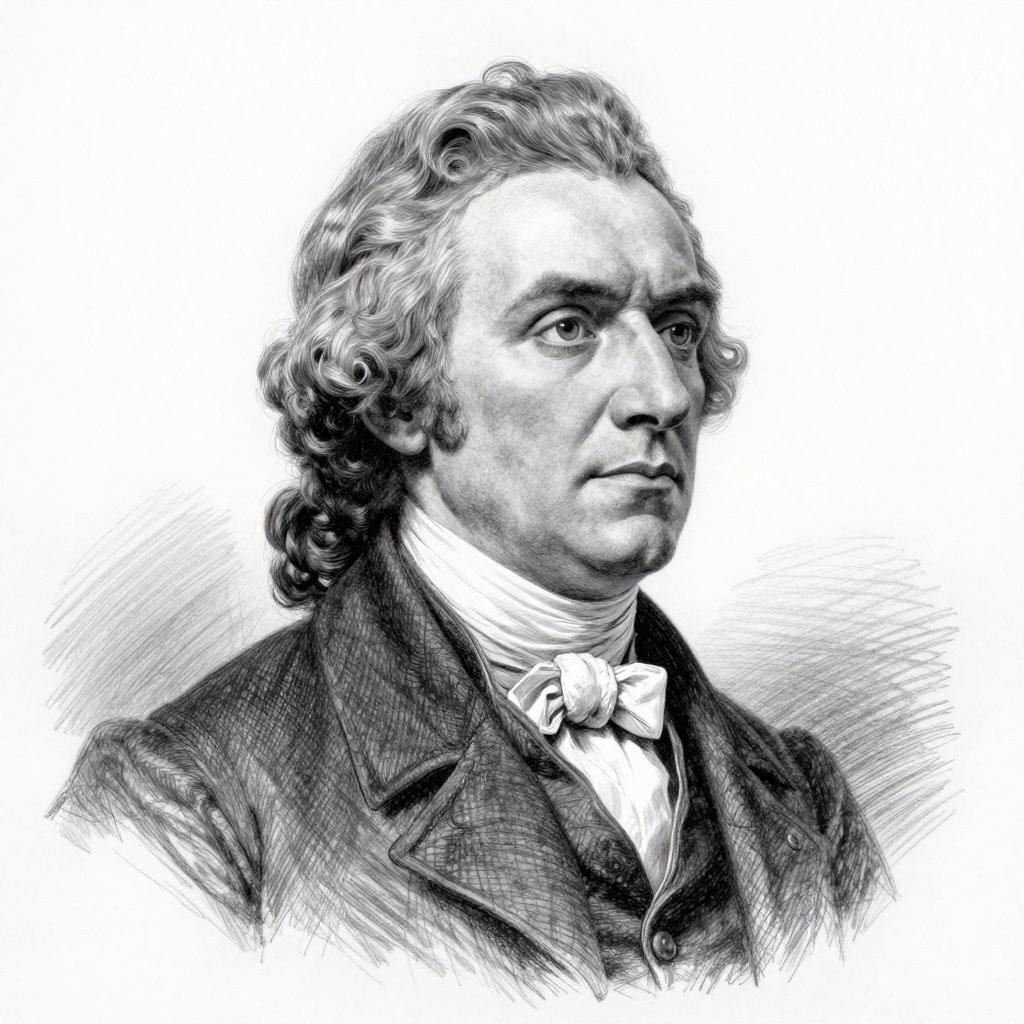
Comments