Quote · Added 14 February 2026
The foolish and wicked practice of profane cursing and swearing is a vice so mean and low that every person of sense and character detests and despises it.
George WashingtonLetter to William Pearce, 1789
Quote · Added 14 February 2026
Most of us think Washington was warning us about crude language—and sure, he was. But there's something sharper here worth noticing. He's not just saying swearing is rude; he's connecting it to something deeper: your self-respect and how you want to be perceived. When you habitually curse, you're essentially deciding that shock value matters more than clarity, that ease matters more than precision. It becomes a tell about what you prioritize.
The surprising part? This applies way beyond old-fashioned profanity. Today we do the same thing with clickbait language, constant exaggeration, or cynical put-downs dressed up as humor. We default to extremes because they feel easier than thinking carefully. Washington's point wasn't really about the words themselves—it was about the mental laziness they reveal. A person of actual character, he's suggesting, knows how to express frustration, humor, or conviction without reaching for the lowest lever.
What makes this still sting a bit is that Washington isn't moralizing from nowhere; he's observing something people genuinely notice. When someone communicates thoughtfully, even when disagreeing sharply, we do respect them differently. Not because they're prissy, but because they've clearly respected themselves enough to choose their words with intention.
1732–1799·lived 67 years
George Washington was an American military leader and statesman who served as the first President of the United States from 1789 to 1797. He is best known for his pivotal role in the American Revolutionary War as the commander-in-chief of the Continental Army and for presiding over the Constitutional Convention of 1787, which created the U.S. Constitution. Washington is often referred to as the "Father of His Country" for his leadership in the founding of the nation.
Also by George Washington
Let your heart feel for the afflictions and distress of everyone, and let your hand give i...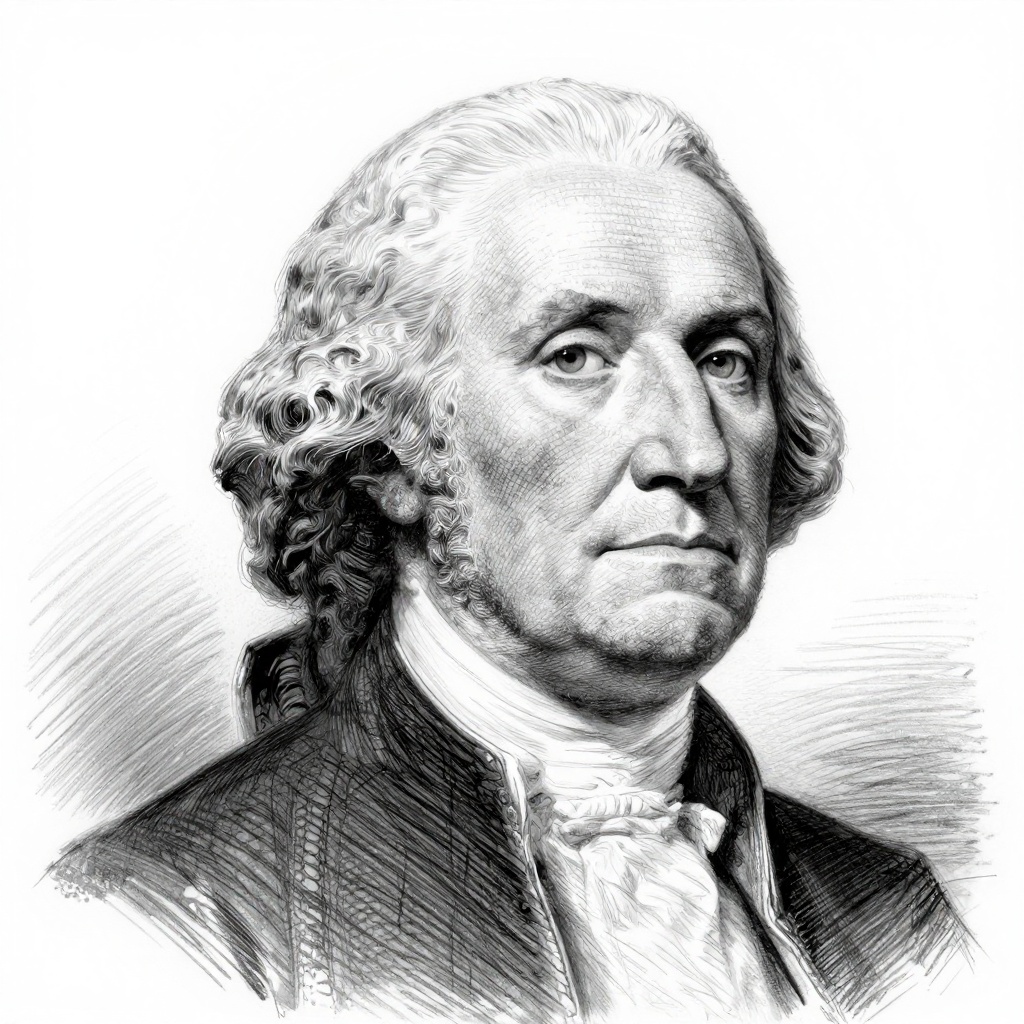
Comments