Quote · Added 14 February 2026
Few men have virtue to withstand the highest bidder.
George WashingtonLetter to John Jay, 1785
Quote · Added 14 February 2026
We like to think our convictions are rock-solid until someone waves enough money or status in front of us. A promotion that requires compromising what you claimed to believe in. A lucrative client whose values don't align with yours. The chance to go along with something unethical because everyone else is, and the cost of standing alone feels too high. Washington's observation still stings because it's not cynical—it's just honest about human nature under pressure.
The uncomfortable part is that this isn't about obviously evil people. Most of us consider ourselves reasonably principled. But principle is abstract until it costs something concrete. Integrity gets easier to abandon in small increments: first you bend a little, then a bit more, then you've reorganized your thinking to make it seem reasonable. The "highest bidder" doesn't always mean money either. It can be comfort, belonging, or simply the relief of not having to fight anymore.
What makes Washington's warning relevant today is that we're all constantly being tested by invisible auctions—pressure from peers, the gravitational pull of institutions, the seductive logic of "everyone does it." The people who actually hold their line aren't necessarily more virtuous. They're just more honest about what their principles actually cost them, and they've decided in advance that some bids aren't worth accepting.
1732–1799·lived 67 years
George Washington was an American military leader and statesman who served as the first President of the United States from 1789 to 1797. He is best known for his pivotal role in the American Revolutionary War as the commander-in-chief of the Continental Army and for presiding over the Constitutional Convention of 1787, which created the U.S. Constitution. Washington is often referred to as the "Father of His Country" for his leadership in the founding of the nation.
Also by George Washington
Let your heart feel for the afflictions and distress of everyone, and let your hand give i...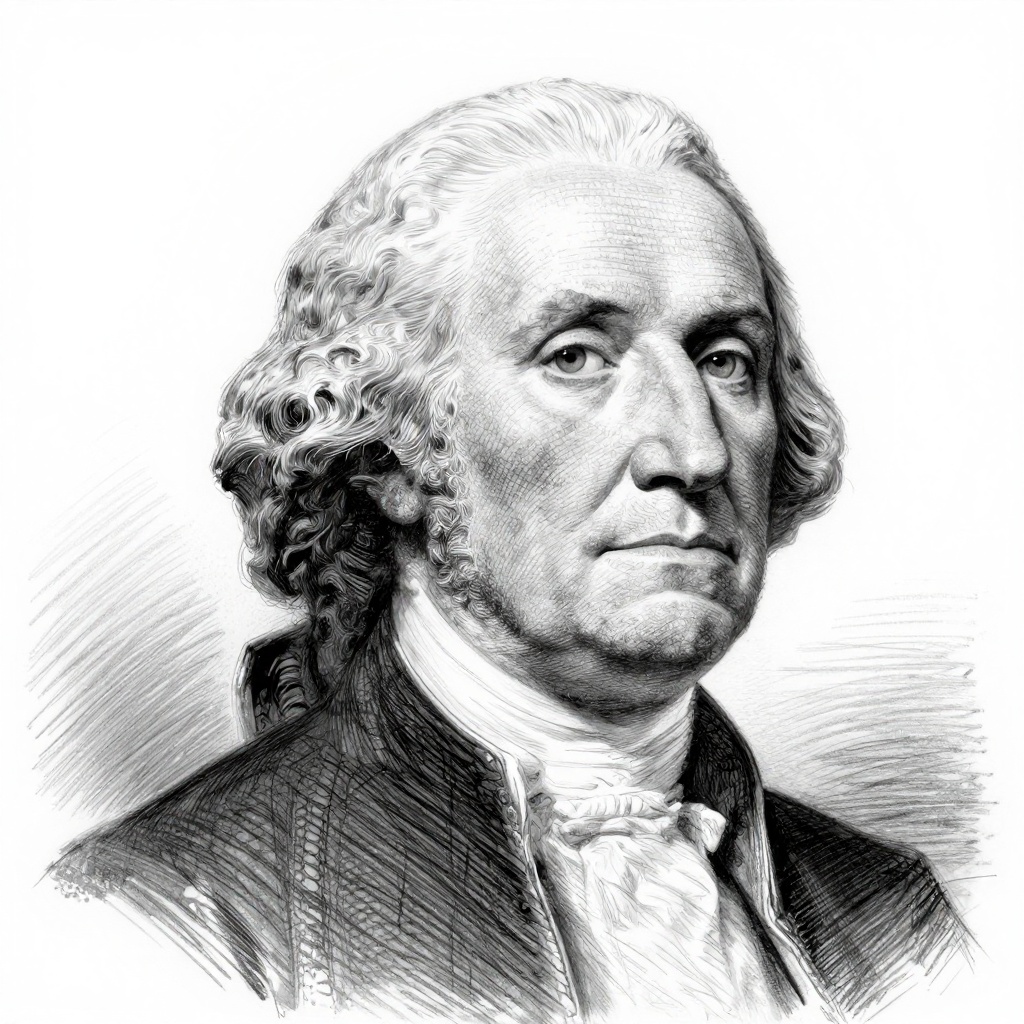
Comments