Quote · Added 14 February 2026
Work is not man's punishment. It is his reward and his strength and his pleasure.
George SandWork is not man's punishment! It is his reward and his strength, his glory and his pleasure
Quote · Added 14 February 2026
We've inherited this strange idea that work is something we endure—a burden we trade our time for, something to escape from on weekends. But there's a quiet truth buried in this quote: the people who seem most alive aren't those who've somehow avoided work, but those who've found work that actually engages them. It's not about being a workaholic or grinding yourself down. It's about the simple fact that humans need to build things, solve problems, and see tangible results from their effort. That's where real satisfaction lives.
The tricky part is that not everyone gets to choose work they love. Many of us show up because we need the paycheck, not because we're passionate about the task. But even then, Sand's point holds. Within almost any work, there's room to find meaning—to do something with genuine care, to get better at it, to feel the strength that comes from mastering something difficult. Even mundane tasks can shift when you stop treating them as punishment and start noticing what you're actually capable of.
The pleasure part is the one we skip over too often. Work doesn't have to feel grim. It can feel like play when you're absorbed in it, when you're learning and contributing something real.
1804–1876·lived 71 years
George Sand was the pen name of Amantine Lucile Aurore Dupin, a French novelist and memoirist born on July 1, 1804. Known for her bohemian lifestyle and strong feminist views, she became famous for her literary works that explored themes of love, gender, and social issues, including notable novels such as "Indiana" and "The Countess of Rudolstadt." Sand was also notable for her relationships with several prominent artists and intellectuals of her time, including Frédéric Chopin.
Also by George Sand
Try to keep your soul young and quivering right up to old age.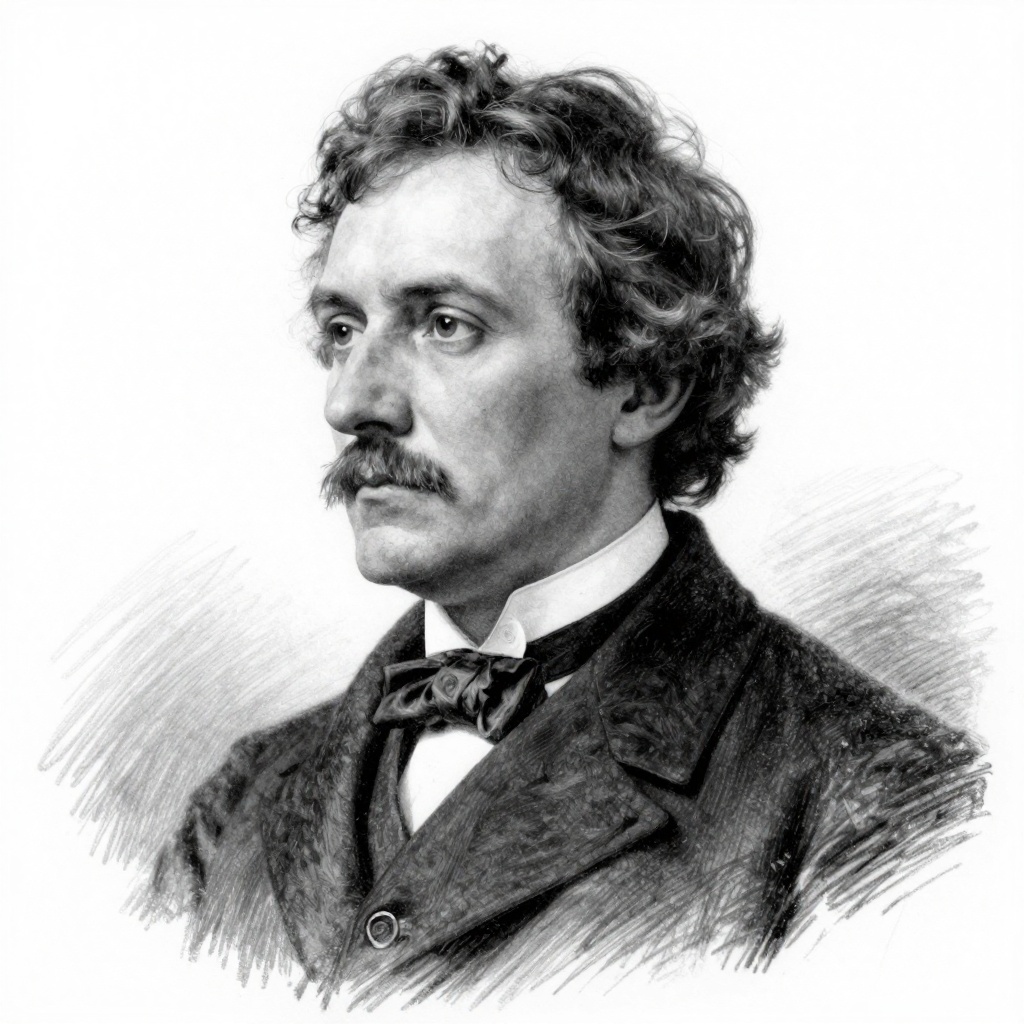
Comments