Quote · Added 15 February 2026
Reading
AI generatedStaying Open Beats Growing Old
There's something almost rebellious about this advice. We tend to think of aging as a one-way ratchet toward rigidity—the body slows, the mind settles, the capacity for wonder supposedly diminishes. But Sand is pointing at something else entirely: the difference between growing older and becoming old. One is inevitable; the other is a choice.
What does it mean to keep your soul "quivering"? It's not about pretending to be young or chasing thrills. It's about maintaining the capacity to be moved, surprised, uncertain. It's the ability to change your mind, to feel genuine curiosity about things that don't directly affect you, to be shaken by beauty or injustice. It's the opposite of the cynicism and resignation that can creep in after decades of disappointment. That quiver—that trembling openness—is what keeps us actually alive rather than just still breathing.
The real insight is that this takes work. It's easier to calcify, to decide you've already figured things out, to dismiss new music or new ideas or new people as "not for you." But people who seem genuinely young in spirit well into their eighties and nineties aren't lucky—they're disciplined about staying curious, vulnerable, and willing to be wrong. That's the kind of aging worth aspiring to.
The author
All 6 quotes by George Sand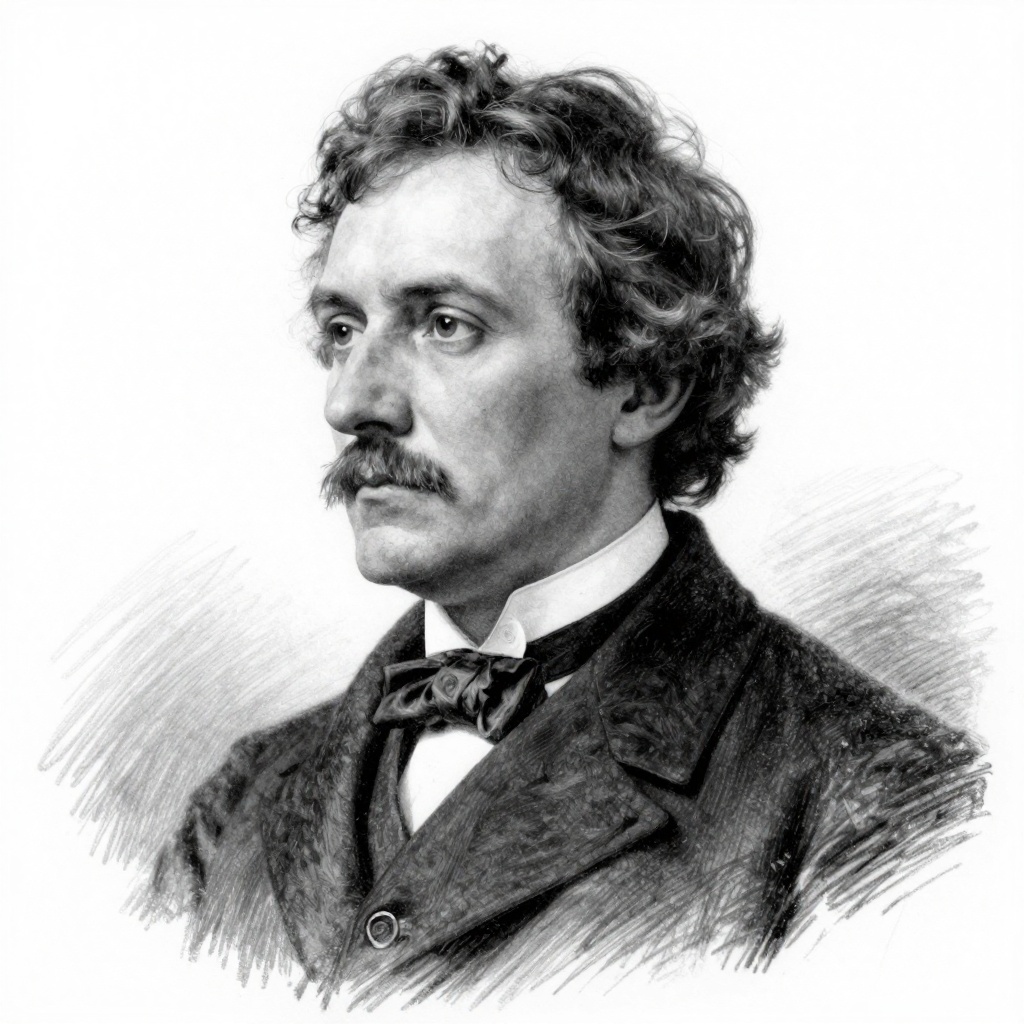
George Sand
1804–1876·lived 71 years
George Sand was the pen name of Amantine Lucile Aurore Dupin, a French novelist and memoirist born on July 1, 1804. Known for her bohemian lifestyle and strong feminist views, she became famous for her literary works that explored themes of love, gender, and social issues, including notable novels such as "Indiana" and "The Countess of Rudolstadt." Sand was also notable for her relationships with several prominent artists and intellectuals of her time, including Frédéric Chopin.
Comments