Quote · Added 14 February 2026
Simplicity is the most difficult thing to secure in this world; it is the last limit of experience and the last effort of genius.
George SandThe Story of My Life, p. 123, 1854
Filed undersimplicity·genius·effort
Quote · Added 14 February 2026
Filed undersimplicity·genius·effort
We usually think of simplicity as something easy—the opposite of complicated. But anyone who's tried to explain something clearly, or strip a room down to what actually matters, or cut a project down to its essential core, knows the real truth: simplicity is brutally hard. It requires you to understand something so thoroughly that you can leave out everything unnecessary. A beginner might use ten words where a master uses two, not because the master is lazy, but because they've earned the right through deep knowledge.
This matters now because we're drowning in complexity we didn't choose. Our phones are designed to be addictive, our schedules overflow, our inboxes never empty. We assume the solution is another app, another system, another layer of productivity. But what we actually need is the opposite: the ruthless clarity to say no, to subtract, to keep only what serves our real life. That kind of simplicity isn't passive or naive. It's the end result of thinking hard, experimenting, and knowing exactly what you're doing and why.
The strange part is that this effort—this willingness to strip things down—is what actually separates people who feel in control from people who feel overwhelmed. Simplicity isn't the easy path. It's the one that requires the most courage.
1804–1876·lived 71 years
George Sand was the pen name of Amantine Lucile Aurore Dupin, a French novelist and memoirist born on July 1, 1804. Known for her bohemian lifestyle and strong feminist views, she became famous for her literary works that explored themes of love, gender, and social issues, including notable novels such as "Indiana" and "The Countess of Rudolstadt." Sand was also notable for her relationships with several prominent artists and intellectuals of her time, including Frédéric Chopin.
Also by George Sand
Try to keep your soul young and quivering right up to old age.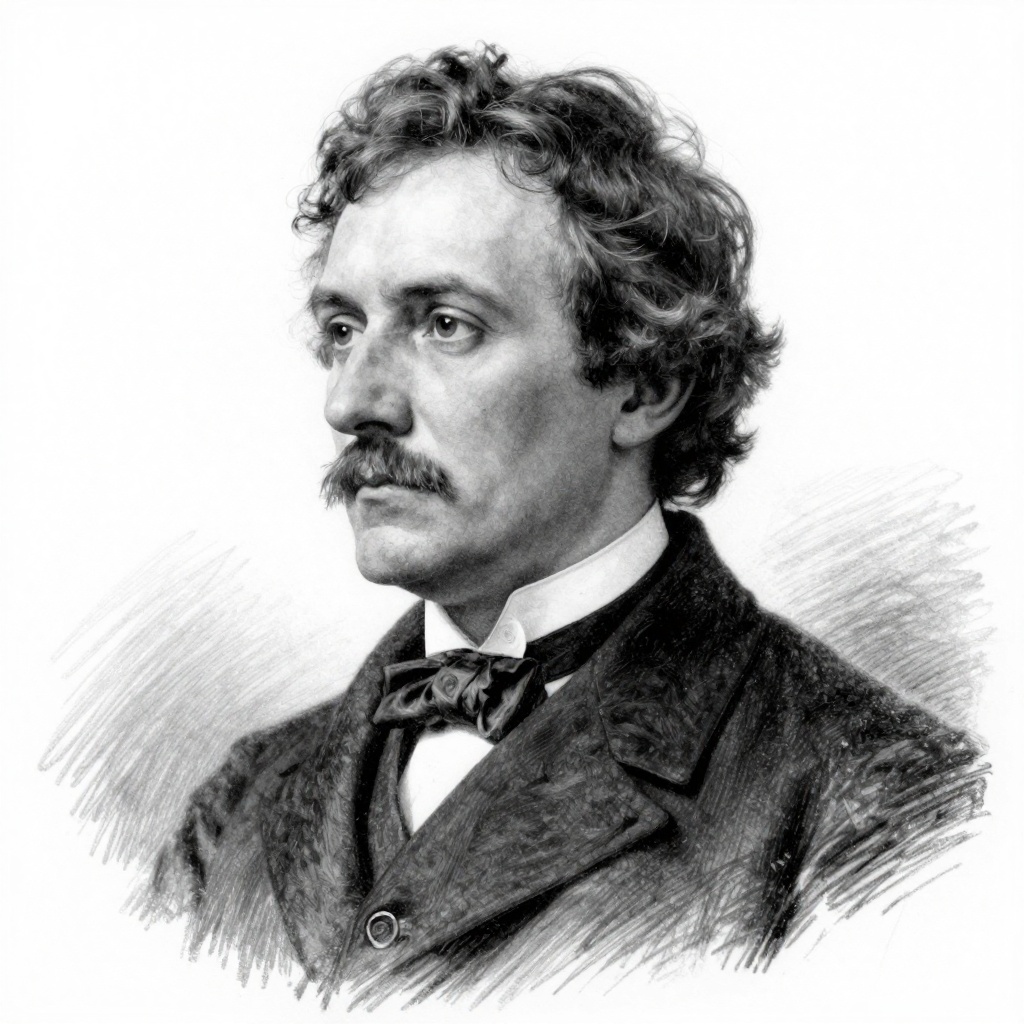
Comments