Quote · Added 14 February 2026
There is only one failure in life possible, and that is not to be true to the best one knows.
George EliotMiddlemarch, p. 123, 1871
Filed underfailure·truth·self-awareness
Quote · Added 14 February 2026
Filed underfailure·truth·self-awareness
We spend a lot of time worried about external failure—not getting the job, the relationship ending, the project falling through. But George Eliot points to something quieter and more corrosive: the slow compromise of yourself. It's the gap between what you know is right and what you actually do. Maybe you know you should set a boundary with someone, speak up in a meeting, or leave a situation that's eroding you. The failure isn't in trying and falling short. It's in not trying at all because it's easier, less risky, or more comfortable in the moment.
What makes this insight sting is that it puts responsibility squarely on you. You can't blame bad luck or other people for this kind of failure. You feel it as a kind of internal hollowing—that creeping sense that you're living smaller than you could be. The strange part is that this failure often looks successful from the outside. You keep your job, avoid conflict, stay safe. But you know.
The good news hidden here is that you always have a choice. Right now, in whatever situation you're in, you can choose alignment over comfort. That's not a grand gesture or a one-time act. It's a daily decision to be honest with what you actually know.
1819–1880·lived 61 years
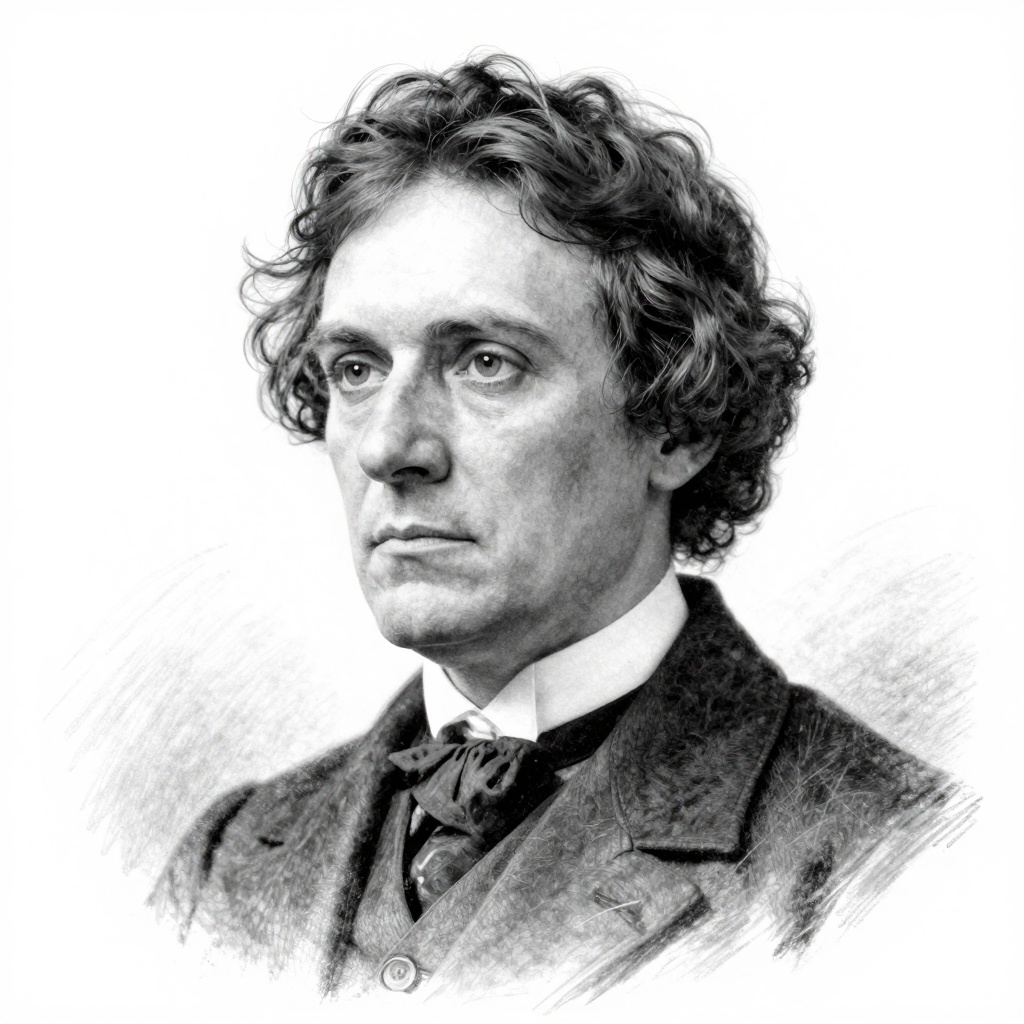
George Eliot was an English novelist and one of the leading writers of the Victorian era. She is known for her works such as "Middlemarch" and "Silas Marner," which explore complex human emotions and moral dilemmas with a keen psychological insight. Eliot's writing often focused on social issues and the struggles of everyday life, making her a prominent figure in English literature.
Comments