Quote · Added 14 February 2026
Our deeds still travel with us from afar, and what we have been makes us what we are.
George EliotMiddlemarch, p. 123, 1871
Quote · Added 14 February 2026
We like to think of ourselves as self-made in the present moment, but this quote cuts through that comfortable idea. Every choice you've made, every way you've treated someone, every time you showed up or didn't—these things don't just disappear. They compound. They've shaped your reflexes, your trust in yourself, your instincts about what feels right. The person you were last year is literally walking around inside the person you are today.
What makes this hit differently than "you are your past" is that word "travel." It suggests movement, momentum. Your past selves aren't dead weight holding you back; they're active forces moving through your present. That's why someone who's spent years building habits of kindness tends to give people the benefit of the doubt, or why a person who's faced hardship often recognizes suffering in others quickly. The deeds travel forward as wisdom, or sometimes as wounds, but they're never neutral.
The non-obvious part is this: if our past makes us who we are, we're also always in the middle of becoming. Every day you're creating the person you'll be tomorrow. That's either paralyzing or liberating, depending on how you look at it.
1819–1880·lived 61 years
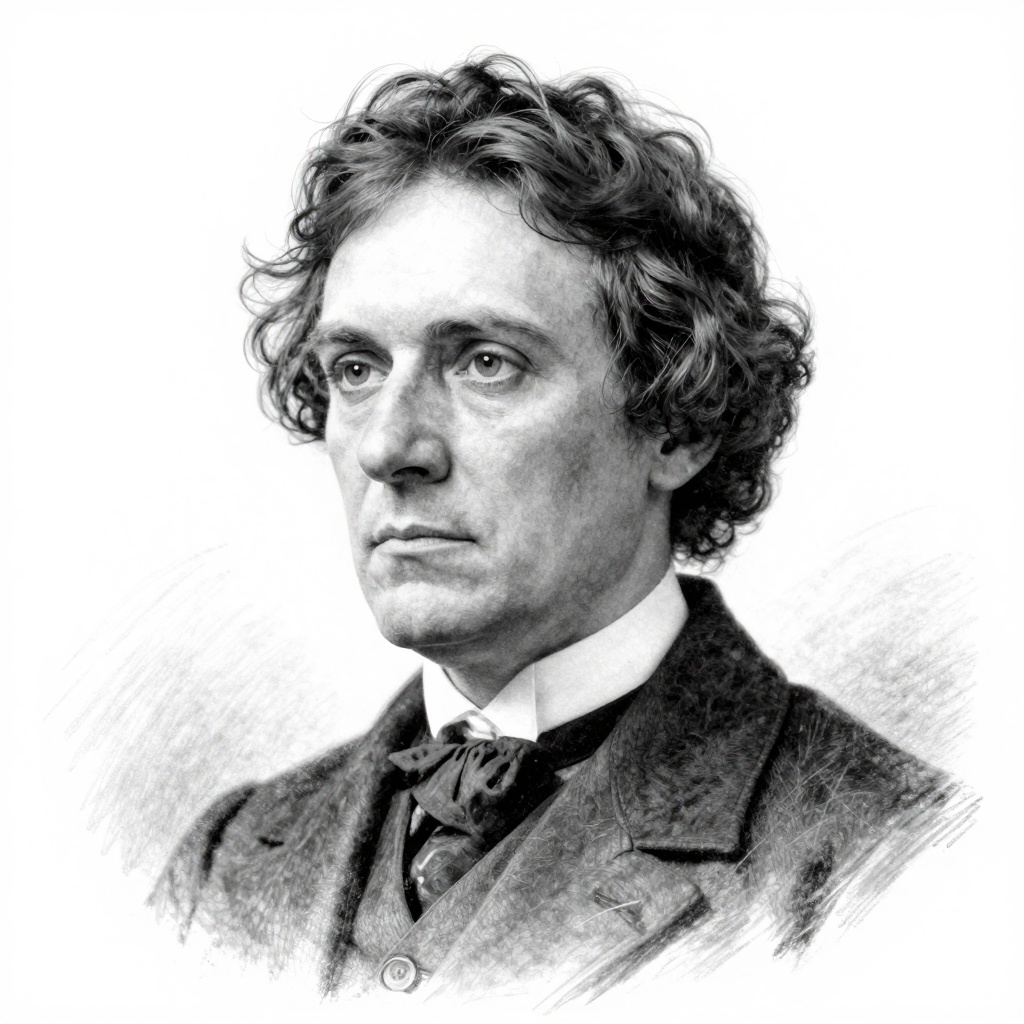
George Eliot was an English novelist and one of the leading writers of the Victorian era. She is known for her works such as "Middlemarch" and "Silas Marner," which explore complex human emotions and moral dilemmas with a keen psychological insight. Eliot's writing often focused on social issues and the struggles of everyday life, making her a prominent figure in English literature.
Comments