Quote · Added 14 February 2026
Failure after long perseverance is much grander than never to have a striving good enough to be called a failure.
George EliotMiddlemarch, p. 123, 1871
Filed underfailure·perseverance·achievement
Quote · Added 14 February 2026
Filed underfailure·perseverance·achievement
There's something quietly radical in this idea, especially in a world that treats failure like a contagious disease. We're trained to avoid it at all costs—to play it safe, stay in lanes we know we can handle, treat any stumble as evidence we chose wrong. But Eliot is pointing to something deeper: that real failure is actually a sign you tried something worth trying. You didn't dabble. You didn't give up at the first sign of resistance.
Think about the person who spends twenty years building a business that ultimately collapses, versus someone who never starts one at all. Yes, the first person failed. But they also learned, risked, pushed themselves into uncomfortable territory. The second person remains comfortable and intact—but they never actually strived for anything. Eliot's saying that's a smaller existence, not a safer one. There's a particular kind of courage that comes from persevering long enough to truly fail, because it means you believed something enough to make real sacrifices for it.
The twist is that this doesn't require spectacular outcomes. It's not about failure being noble because success will eventually follow. It's noble because it proves you were genuinely engaged with your life, not just going through motions. That matters, regardless of what happens next.
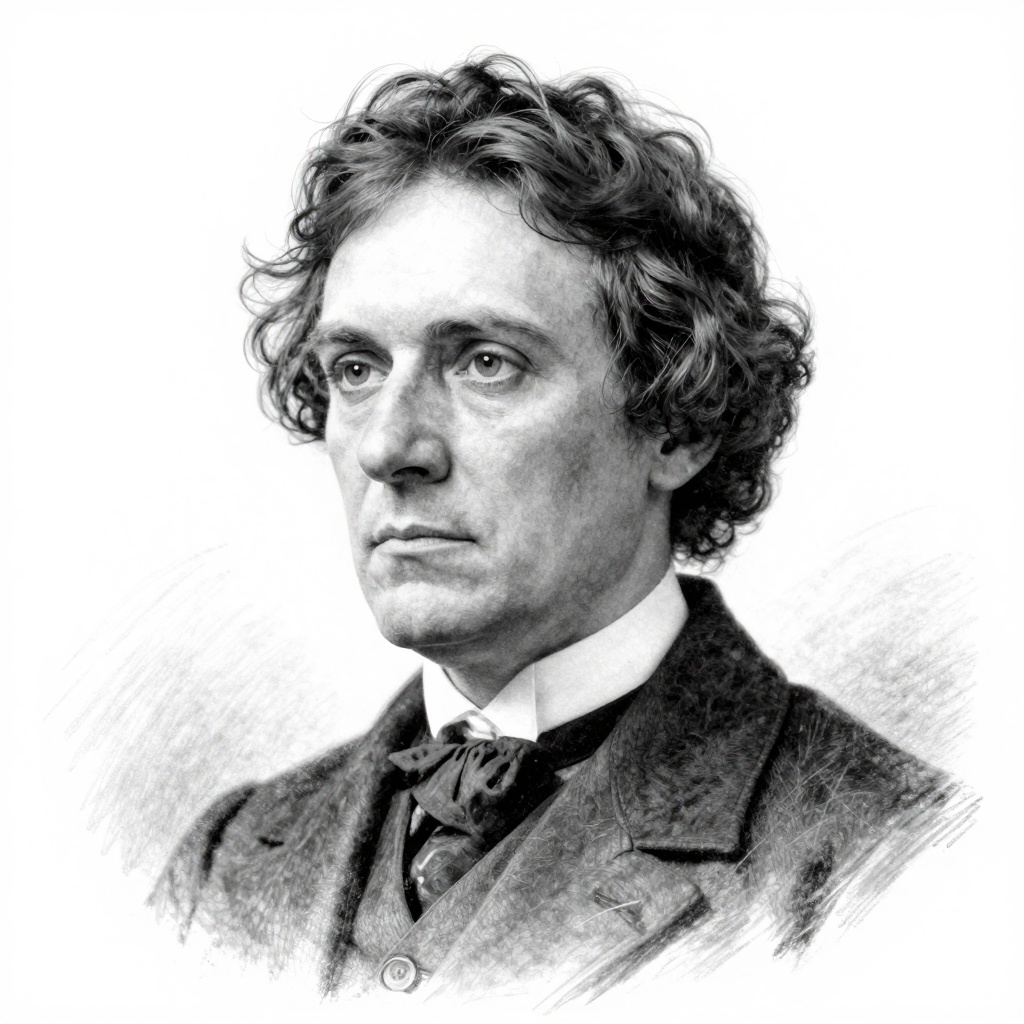
1819–1880·lived 61 years
George Eliot was an English novelist and one of the leading writers of the Victorian era. She is known for her works such as "Middlemarch" and "Silas Marner," which explore complex human emotions and moral dilemmas with a keen psychological insight. Eliot's writing often focused on social issues and the struggles of everyday life, making her a prominent figure in English literature.
Comments