Quote · Added 14 February 2026
Everyone is a genius at least once a year. The real geniuses simply have their bright ideas closer together.
Georg C. LichtenbergWaste Books, 1990
No ratings yet
Filed undergenius·ideas·creativity
Quote · Added 14 February 2026
Filed undergenius·ideas·creativity
We all know that feeling—the shower thought, the 3 AM realization, the moment when suddenly everything clicks into place. These flashes of genuine insight come to almost everyone. But here's what makes this quote more than just flattery: it reframes what we usually call "talent" as simply a different rhythm.
The real shift isn't about IQ or natural ability. It's about frequency and consistency. A person who has breakthroughs every few months versus every few years isn't necessarily smarter in some fixed way—they're just getting lucky more often. Which means they're probably practicing more, noticing more, asking better questions more consistently. They've turned what could be random brilliance into something closer to a habit.
The uncomfortable part? This suggests that the gap between ordinary and extraordinary isn't some unbridgeable chasm. It's built on repetition, on putting yourself in positions where insights are more likely to happen. You're probably just one idea away from something real. The question is whether you'll be in the room—mentally and literally—when the next one arrives.
1742–1799·lived 56 years
Georg C. Lichtenberg was a German physicist and philosopher, born on July 1, 1742, in Göttingen, Germany, and he is best known for his pioneering work in the field of electricity and for being one of the first to use statistical methods in science. Lichtenberg is also renowned for his insightful aphorisms and his contributions to experimental physics, particularly his investigation of electrical discharges that led to the discovery of Lichtenberg figures, fractal-like patterns created by high-voltage electric discharges in insulating materials. He passed away on February 24, 1799.
Also by Georg C. Lichtenberg
Even truth needs to be clad in new garments if it is to appeal to a new age.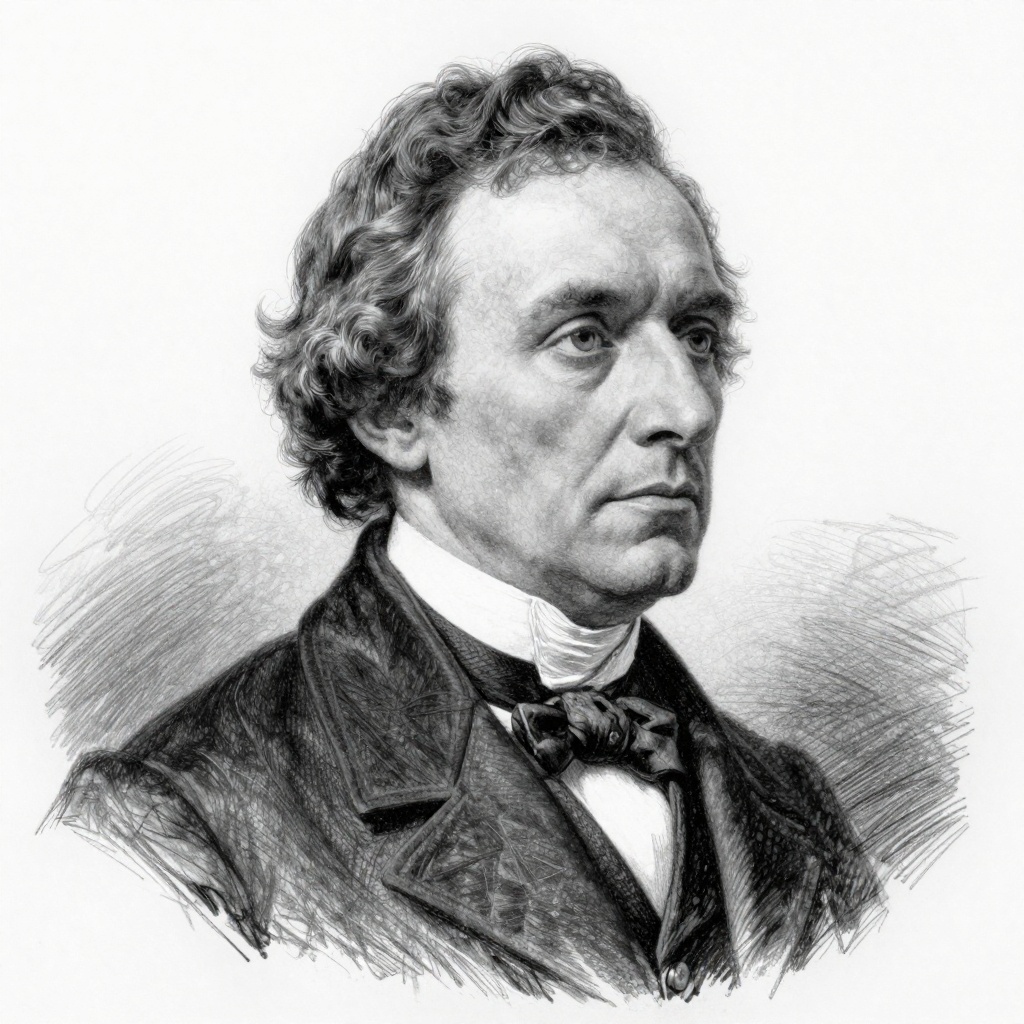
Comments