Quote · Added 15 February 2026
Even truth needs to be clad in new garments if it is to appeal to a new age.
Georg C. LichtenbergWaste Books, 1990
No ratings yet
Filed undertruth·change·perception
Quote · Added 15 February 2026
Filed undertruth·change·perception
We live as though ancient wisdom and modern problems are completely separate things, when really they're often the same old human struggles wearing different clothes. A truth about patience or courage or connection doesn't become less true because it's been said for centuries—but it might sound irrelevant if we keep packaging it the same way. A teenager won't learn about resilience from a dusty proverb, but they might get it from watching someone they respect talk honestly about failure on social media.
This matters more now than ever because we're drowning in information and starving for meaning. The real work isn't finding new truths so much as figuring out how to speak them in a language people actually hear. It's why ancient philosophies keep getting repackaged as productivity hacks, why therapists sound nothing like priests but often say similar things, why a tweet can make you rethink something you've half-believed your whole life.
The surprising part? This doesn't mean dumbing things down or abandoning depth. It means respecting your listener enough to meet them where they are. The truth about what makes a good life hasn't changed in three thousand years. But calling it "optimization" instead of "virtue" might be exactly what someone needs to actually pay attention.
1742–1799·lived 56 years
Georg C. Lichtenberg was a German physicist and philosopher, born on July 1, 1742, in Göttingen, Germany, and he is best known for his pioneering work in the field of electricity and for being one of the first to use statistical methods in science. Lichtenberg is also renowned for his insightful aphorisms and his contributions to experimental physics, particularly his investigation of electrical discharges that led to the discovery of Lichtenberg figures, fractal-like patterns created by high-voltage electric discharges in insulating materials. He passed away on February 24, 1799.
Also by Georg C. Lichtenberg
Everyone is a genius at least once a year. The real geniuses simply have their bright idea...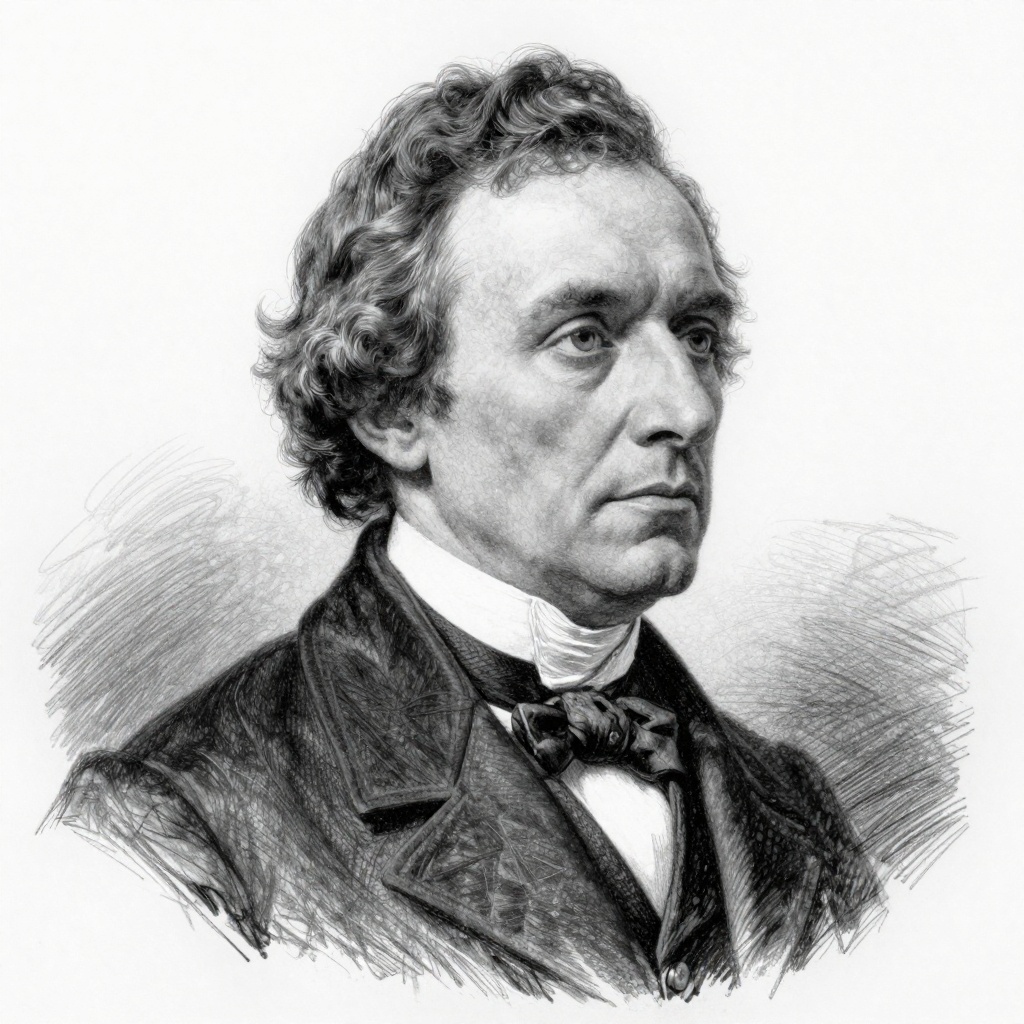
Comments