Quote · Added 28 February 2026
What you think you become.
No ratings yet
Quote · Added 28 February 2026
We tend to treat our thoughts as harmless visitors passing through our minds—daydreams we can dismiss the moment they're inconvenient. But Buddha's observation points to something deeper: there's a feedback loop between thought and identity that operates quietly over time. The person who frequently thinks "I'm not creative" gradually stops attempting creative work, which means fewer chances to discover they might be. The reverse is also true. Someone who thinks "I handle stress reasonably well" approaches difficult moments differently—with slightly more steadiness—which actually makes them handle stress better.
This isn't magical thinking or positive affirmations alone. It's about how repeated thoughts shape the choices you make, which then shape your actual abilities and experiences. Your internal monologue influences what you attempt, what you persist at, and ultimately what you become skilled at. A single anxious thought is just a thought. But years of habitually assuming the worst? That shapes how you move through the world.
The practical takeaway isn't to force yourself into false cheeriness. It's to notice which thoughts you're repeating without questioning them—the assumptions about yourself that have become invisible wallpaper. Sometimes the most powerful change comes from simply asking: Is this thought actually true, or am I just rehearsing it out of habit?
Gautama Buddha, also known as Siddhartha Gautama, was an Indian prince and the founder of Buddhism, who lived in the 5th to 4th century BCE. He is renowned for his teachings on the nature of suffering, the path to enlightenment, and the Four Noble Truths, which form the foundation of Buddhist philosophy. Buddha's pursuit of spiritual awakening led him to establish a monastic community and spread his ideas across Asia, influencing millions throughout history.
Also by Gautama Buddha
In a war of ego, the loser always wins.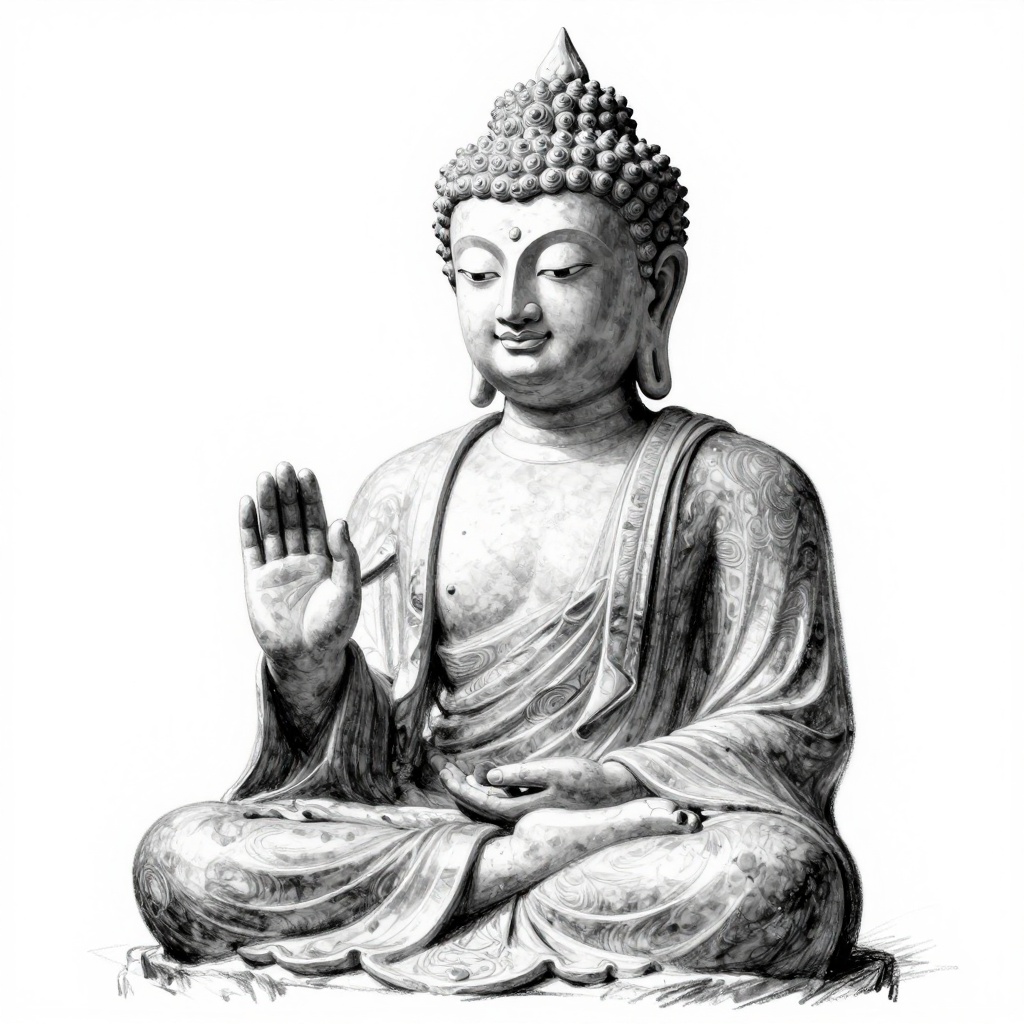
Comments