Quote · Added 28 February 2026
The mentor can be identified by four things: by restraining you from wrongdoing, guiding you towards good actions, telling you what you ought to know, and showing you the path to heaven.
No ratings yet
Quote · Added 28 February 2026
Most of us think of a good mentor as someone who believes in us or opens doors for us. But Buddha's definition flips that around—the real mentor isn't primarily your cheerleader. They're the person willing to tell you when you're heading toward a wall, not just the one who validates your every move. That takes a kind of courage that's rarer than you'd think. It's easier to be liked than to be helpful.
The interesting part is how this challenges our modern instinct to surround ourselves with people who simply agree with us. We curate our social feeds, our friend groups, our workspaces to feel supported and comfortable. But Buddha's mentor does something less comfortable: they restrain, they guide, they instruct. They operate from a framework of what's actually good for you, not what feels good in the moment. That requires them to see further than you do—to understand patterns you might miss about your own behavior.
The last part, "showing you the path to heaven," might sound religious, but it's really just saying a true mentor keeps you oriented toward what matters most. They don't just help you win this week's battle; they remind you what you're actually fighting for. That kind of long-view thinking is exactly what most of us lack when we're caught in the daily grind.
Gautama Buddha, also known as Siddhartha Gautama, was an Indian prince and the founder of Buddhism, who lived in the 5th to 4th century BCE. He is renowned for his teachings on the nature of suffering, the path to enlightenment, and the Four Noble Truths, which form the foundation of Buddhist philosophy. Buddha's pursuit of spiritual awakening led him to establish a monastic community and spread his ideas across Asia, influencing millions throughout history.
Also by Gautama Buddha
In a war of ego, the loser always wins.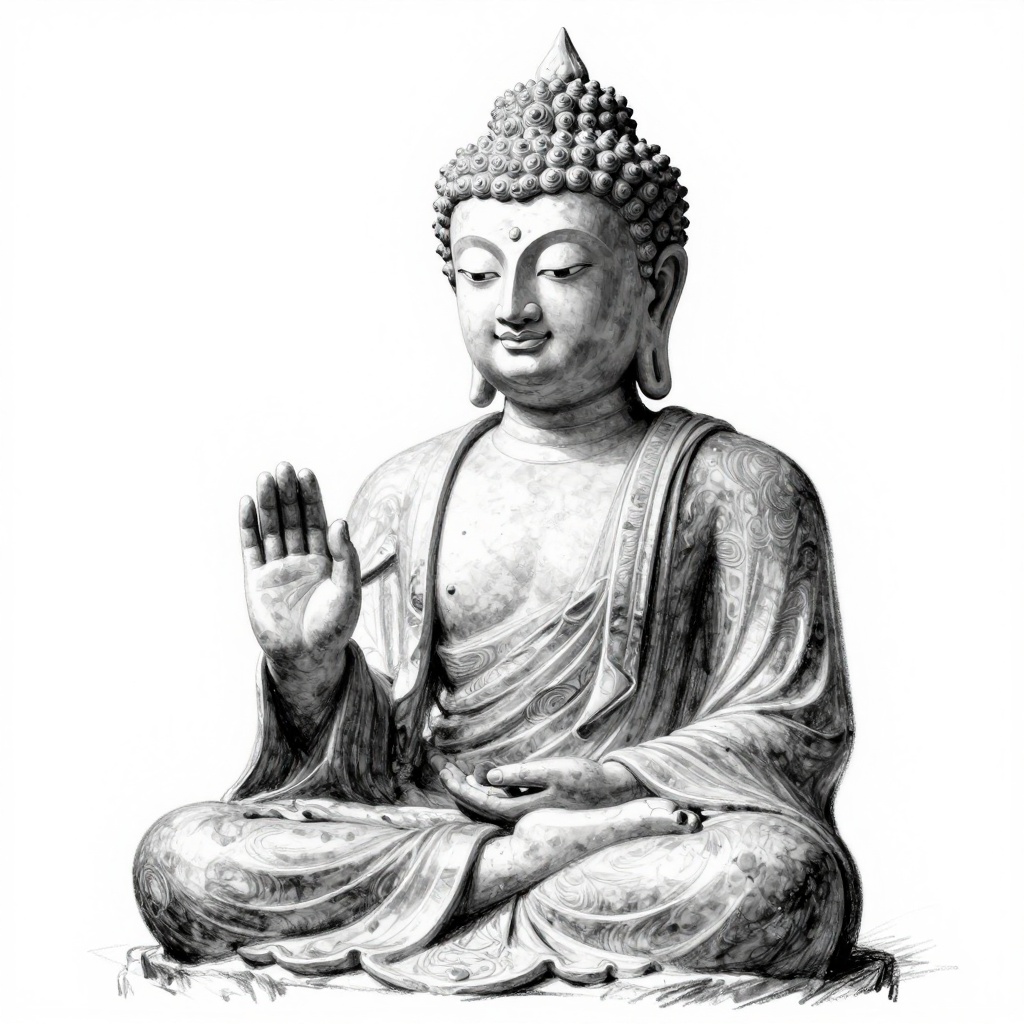
Comments