Quote · Added 1 October 2023
We cannot teach people anything; we can only help them discover it within themselves.
Galileo GalileiGalileo on Learning, Big Think, 2014
No ratings yet
Quote · Added 1 October 2023
There's something frustrating about this idea at first. We spend money on schools, hire teachers, write textbooks—all to teach people things. But Galileo's pointing at something real: the moment someone truly understands something, it feels like their discovery, not something handed to them. You can memorize facts for a test and forget them by Friday. You can sit through a lecture and zone out. But when you work through a problem yourself—even with a guide pointing you toward the right questions—it sticks. It becomes yours.
This matters more now than maybe ever. We're drowning in information. Anyone can find an answer online in seconds. What's actually scarce is the experience of figuring something out, of having that click moment when confusion becomes clarity. The best teachers, coaches, and mentors aren't the ones who dump knowledge on you. They're the ones who ask the right questions, create the conditions for discovery, and then get out of the way.
The non-obvious part? This doesn't let teachers off the hook. It actually demands more skill—it's harder to guide someone toward their own realization than to just tell them what to think. And it means you can't be passive in your own learning either. You have to actually engage, wonder, and struggle a little.
1564–1642·lived 77 years
Galileo Galilei was an Italian astronomer, physicist, and mathematician known as the "father of observational astronomy" and the "father of modern physics." He is best known for improving the telescope and making significant astronomical observations, including the four largest moons of Jupiter, which are now known as the Galilean moons. Galileo played a crucial role in the Scientific Revolution and his work laid the foundation for modern physics and astronomy.
Also by Galileo Galilei
The universe is written in the language of mathematics.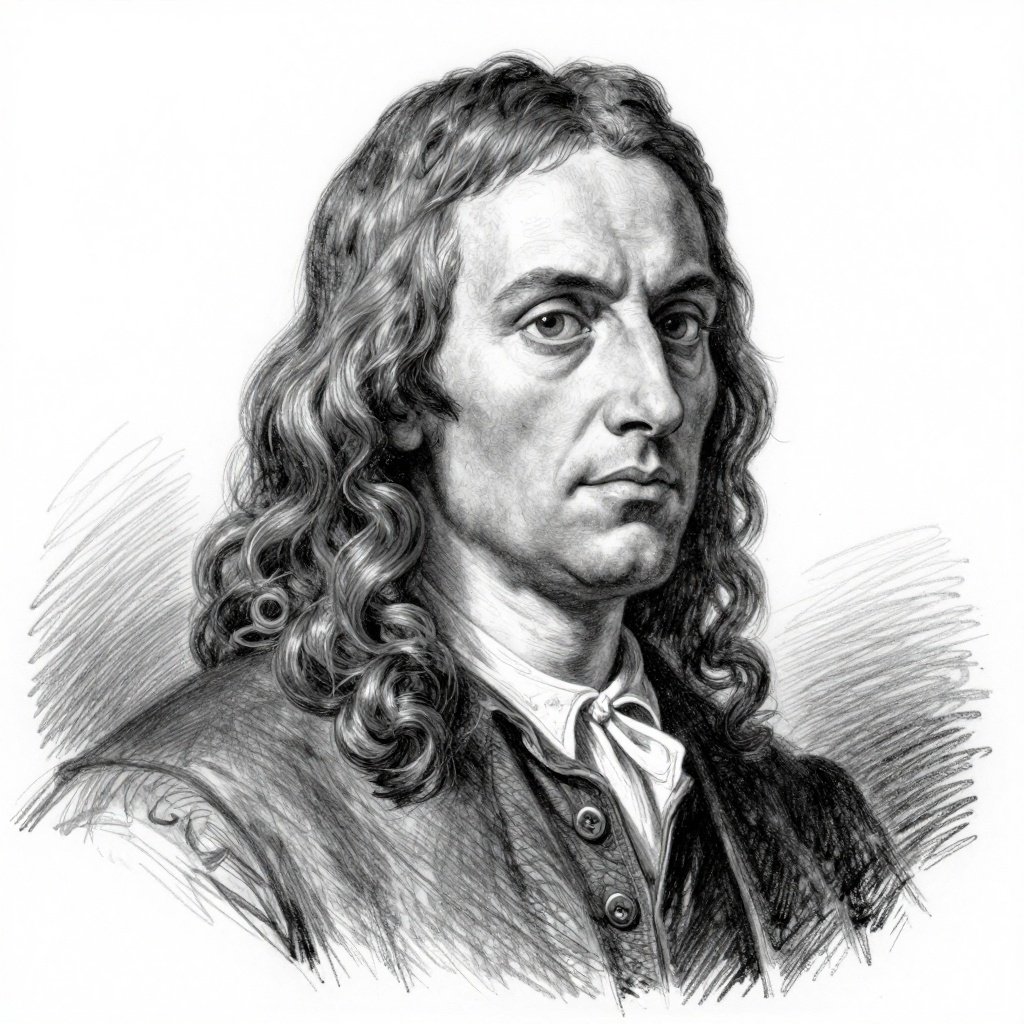
Comments