Quote · Added 14 February 2026
All truths are easy to understand once they are discovered; the point is to discover them.
Galileo GalileiThe Assayer, 1620
No ratings yet
Filed undertruth·discovery·understanding
Quote · Added 14 February 2026
Filed undertruth·discovery·understanding
It's strange how obvious things seem in hindsight. Once someone explains why the Earth orbits the Sun, or why you shouldn't skip breakfast before a long workout, the logic feels almost self-evident. You wonder how anyone could have ever been confused. But that feeling of obviousness is exactly what makes discovery so hard—the real work happens before the answer becomes clear.
This matters today because we live in a world obsessed with having answers quickly. We want the solution delivered, the truth served up, the insight explained in three bullet points. But the actual grunt work of discovery—the confused fumbling, the dead ends, the willingness to look stupid while figuring things out—that's the part we skip over or outsource. Yet that messy process is where real understanding actually lives. It's why someone who struggles through a math problem learns more than someone who just watches the solution, or why experiencing failure in your career teaches you things no advice column ever could.
The implication is quietly humbling: the truths you already know felt easy because someone else did the hard work of discovering them first. And the hard truths you're wrestling with now? They probably won't feel obvious until you've actually worked through them yourself.
1564–1642·lived 77 years
Galileo Galilei was an Italian astronomer, physicist, and mathematician known as the "father of observational astronomy" and the "father of modern physics." He is best known for improving the telescope and making significant astronomical observations, including the four largest moons of Jupiter, which are now known as the Galilean moons. Galileo played a crucial role in the Scientific Revolution and his work laid the foundation for modern physics and astronomy.
Also by Galileo Galilei
The universe is written in the language of mathematics.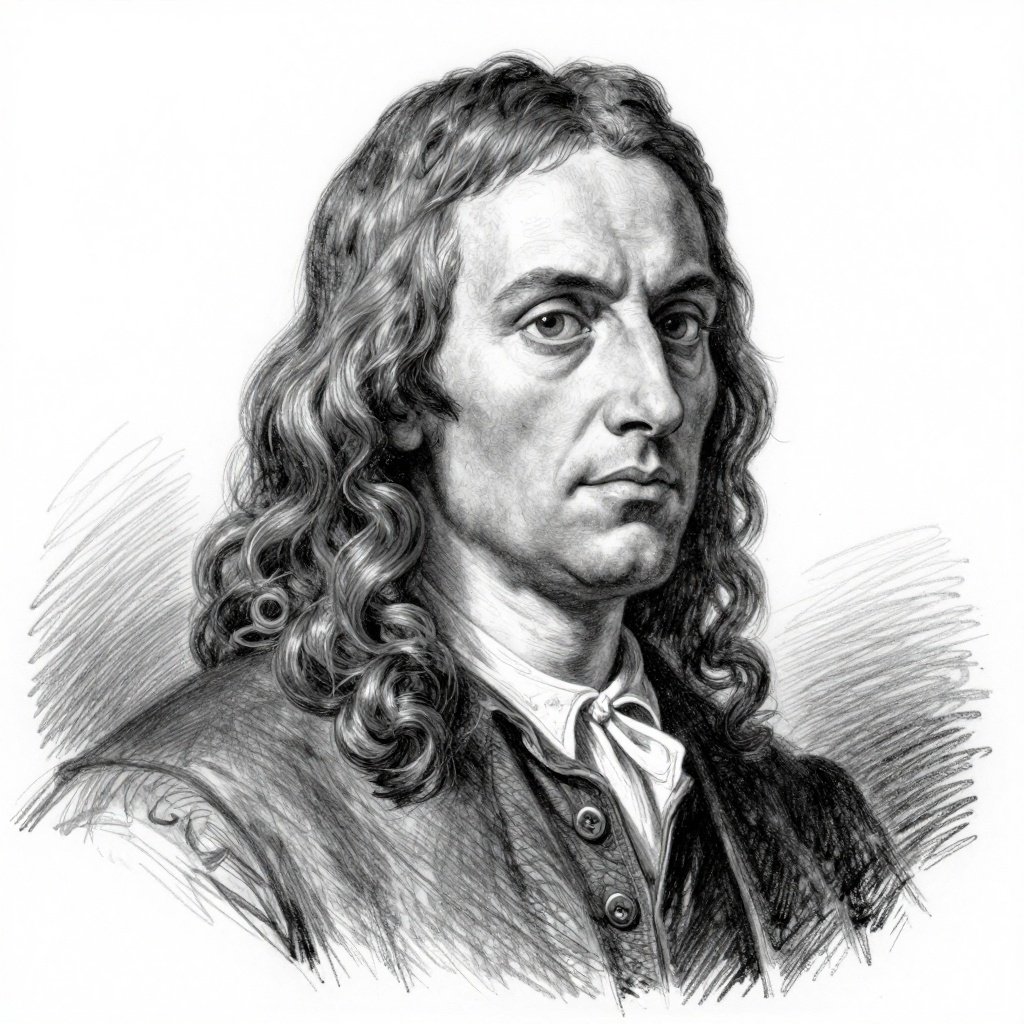
Comments