Quote · Added 14 February 2026
To live without Hope is to Cease to live.
No ratings yet
Quote · Added 14 February 2026
We often treat hope as something nice to have—a bonus if things work out. But Dostoevsky is pointing at something darker: without it, you're technically alive but not really living. You're just going through the motions. Think about times you've felt truly hopeless, even briefly. The world doesn't suddenly look different, but your relationship to it does. You stop making plans. You eat mechanically. You scroll without absorbing. It's the difference between existing and actually inhabiting your life.
The tricky part is that hope doesn't require optimism. You don't need to believe everything will be fine. Hope is smaller and stranger than that—it's the sense that something matters enough to keep trying, that there's a point to showing up tomorrow. A person can be realistic about obstacles and still possess it. What kills hope isn't harsh reality; it's the feeling that reality is pointless, that nothing you do will echo anywhere.
This matters right now because we live in an age designed to erode it. We're bombarded with reasons to feel stuck and small. Reclaiming hope isn't about ignoring problems. It's about deciding that your effort, your attention, your presence—they count for something. Without that conviction, you're just a person with a heartbeat.
1821–1881·lived 59 years
Fyodor Dostoevsky (1821–1881) was a renowned Russian writer known for his groundbreaking novels exploring psychological complexities and existential themes. His works, such as "Crime and Punishment" and "The Brothers Karamazov," have had a profound influence on literature, philosophy, and psychology, making him one of the greatest novelists in history.
Also by Fyodor Dostoevsky
Most people don't have original opinions. They just repeat what they heard from someone lo...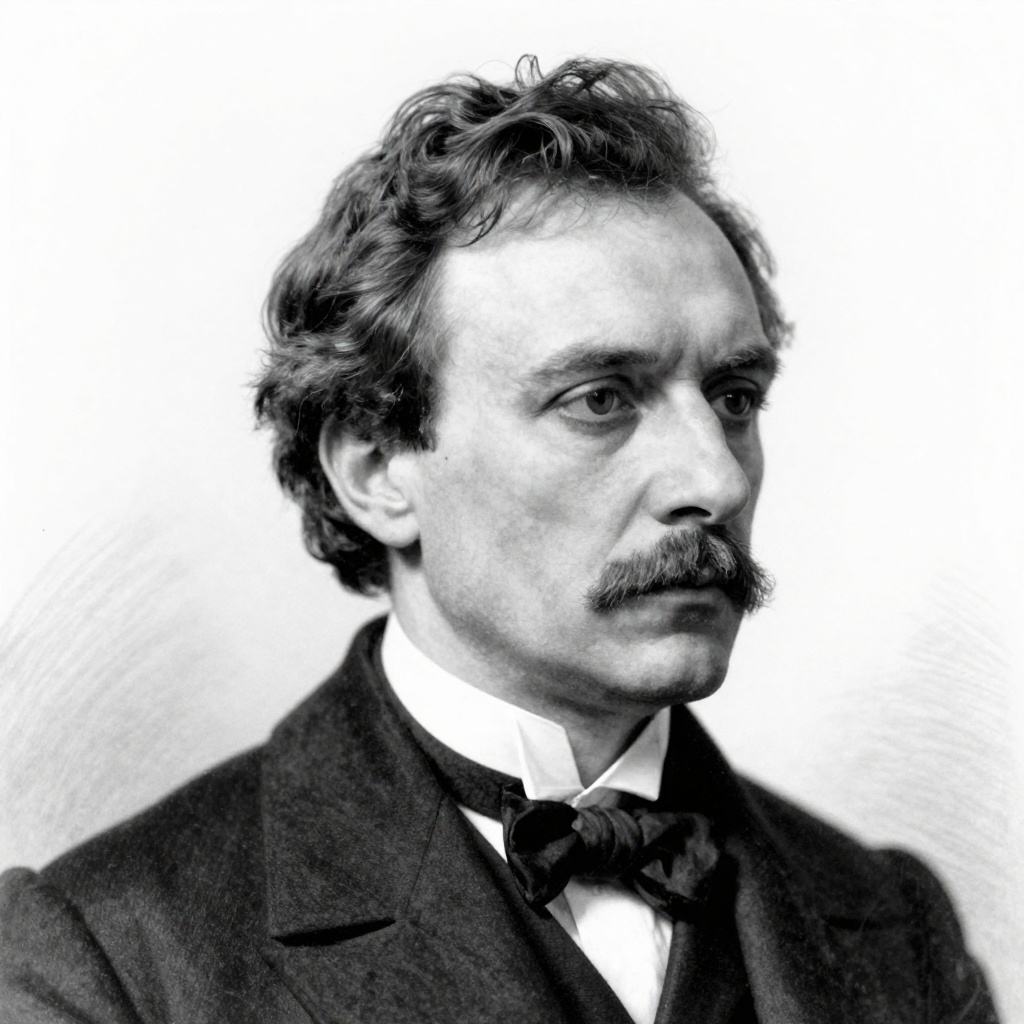
Comments