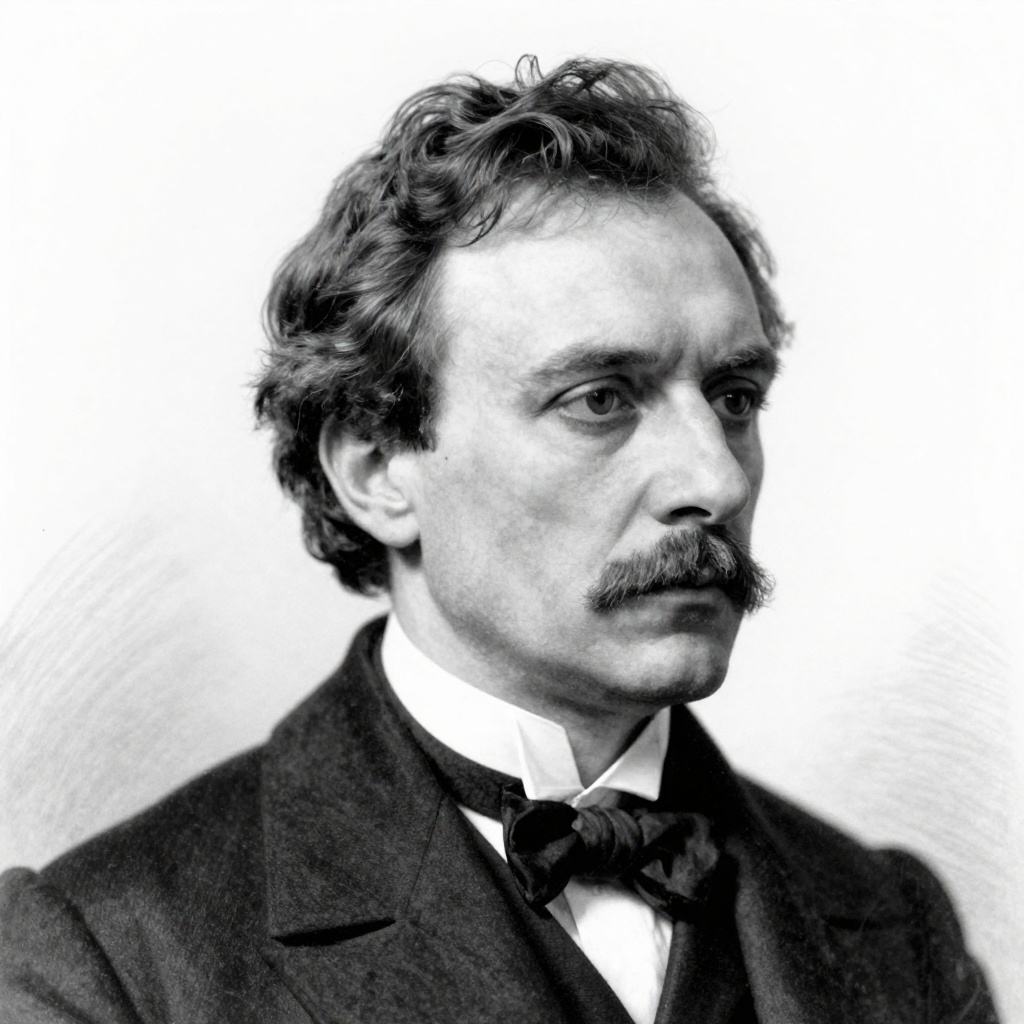
There are things which a man is afraid to tell even to himself, and every decent man has a number of such thin... — Fyodor Dostoevsky

There are things which a man is afraid to tell even to himself, and every decent man has a number of such things stored away in his mind.

Author: Fyodor Dostoevsky

Insight: We all carry a private shame collection—those moments we'd never narrate to anyone, not even in a diary we thought was locked away. The embarrassing thing we did last month, the envious thought we're ashamed we had, the small cruelty we rationalized at the time. Dostoevsky understood that this isn't a sign you're broken or secretly evil. It's actually pretty universal. The honest people are just the ones willing to acknowledge these things exist in themselves. What makes this observation genuinely useful is that it flips how we think about integrity. We often imagine decent people as those without these hidden thoughts—like honesty means having nothing to hide. But Dostoevsky suggests the opposite: a genuinely good person is someone aware of their own shadows and bothered enough by them to keep quiet about it. They haven't convinced themselves they're perfect. This matters because we spend enormous energy pretending, especially online, that we're simpler and better than we actually are. But that gap between who we present ourselves to be and who we actually are creates its own kind of sickness—isolation, defensiveness, the exhaustion of maintaining a lie. The counterintuitive relief comes not from airing everything, but from simply admitting to yourself that you're complicated, that decency isn't purity, and that most people you respect are carrying the same unspoken weight.

Decent People Have Secrets

There are things which a man is afraid to tell even to himself, and every decent man has a number of such things stored away in his mind.

We all carry a private shame collection—those moments we'd never narrate to anyone, not even in a diary we thought was locked away. The embarrassing thing we did last month, the envious thought we're ashamed we had, the small cruelty we rationalized at the time. Dostoevsky understood that this isn't a sign you're broken or secretly evil. It's actually pretty universal. The honest people are just the ones willing to acknowledge these things exist in themselves.

What makes this observation genuinely useful is that it flips how we think about integrity. We often imagine decent people as those without these hidden thoughts—like honesty means having nothing to hide. But Dostoevsky suggests the opposite: a genuinely good person is someone aware of their own shadows and bothered enough by them to keep quiet about it. They haven't convinced themselves they're perfect.

This matters because we spend enormous energy pretending, especially online, that we're simpler and better than we actually are. But that gap between who we present ourselves to be and who we actually are creates its own kind of sickness—isolation, defensiveness, the exhaustion of maintaining a lie. The counterintuitive relief comes not from airing everything, but from simply admitting to yourself that you're complicated, that decency isn't purity, and that most people you respect are carrying the same unspoken weight.

AI generated

Comments

Sign in to leave a comment or reply to one.

Sign in

Fyodor Dostoevsky

Fyodor Dostoevsky (1821–1881) was a renowned Russian writer known for his groundbreaking novels exploring psychological complexities and existential themes. His works, such as "Crime and Punishment" and "The Brothers Karamazov," have had a profound influence on literature, philosophy, and psychology, making him one of the greatest novelists in history.

Graph

Related