Quote · Added 18 September 2023
The mystery of human existence lies not in just staying alive, but in finding something to live for.
Fyodor DostoevskyThe Brothers Karamazov, p. 250, 1880
No ratings yet
Quote · Added 18 September 2023
Most of us are pretty good at the basic survival stuff—we wake up, go to work, pay bills, repeat. The harder part, the one that actually matters, is figuring out why we're doing it all in the first place. You can have your health, your paycheck, your comfortable routine, and still feel like something's missing. That hollow feeling isn't a sign of weakness or depression necessarily; it's often just the recognition that mere existence isn't enough.
The tricky part is that this "something to live for" looks different for everyone, and it rarely shows up fully formed. For some people it's creating something—art, a business, a family. For others it's pursuing a skill, fighting for a cause, or even just being genuinely present for the people around them. What matters isn't the specific thing; it's that you've actually thought about what would make your particular life feel worth living, not just passable.
Here's what's non-obvious: waiting for passion or purpose to strike like lightning is usually a trap. Most people find direction by experimenting, by saying yes to small things, by noticing what conversations make them lose track of time. Purpose isn't always a grand revelation. Sometimes it's just recognizing that you care about something enough to show up for it regularly.
1821–1881·lived 59 years
Fyodor Dostoevsky (1821–1881) was a renowned Russian writer known for his groundbreaking novels exploring psychological complexities and existential themes. His works, such as "Crime and Punishment" and "The Brothers Karamazov," have had a profound influence on literature, philosophy, and psychology, making him one of the greatest novelists in history.
Also by Fyodor Dostoevsky
Most people don't have original opinions. They just repeat what they heard from someone lo...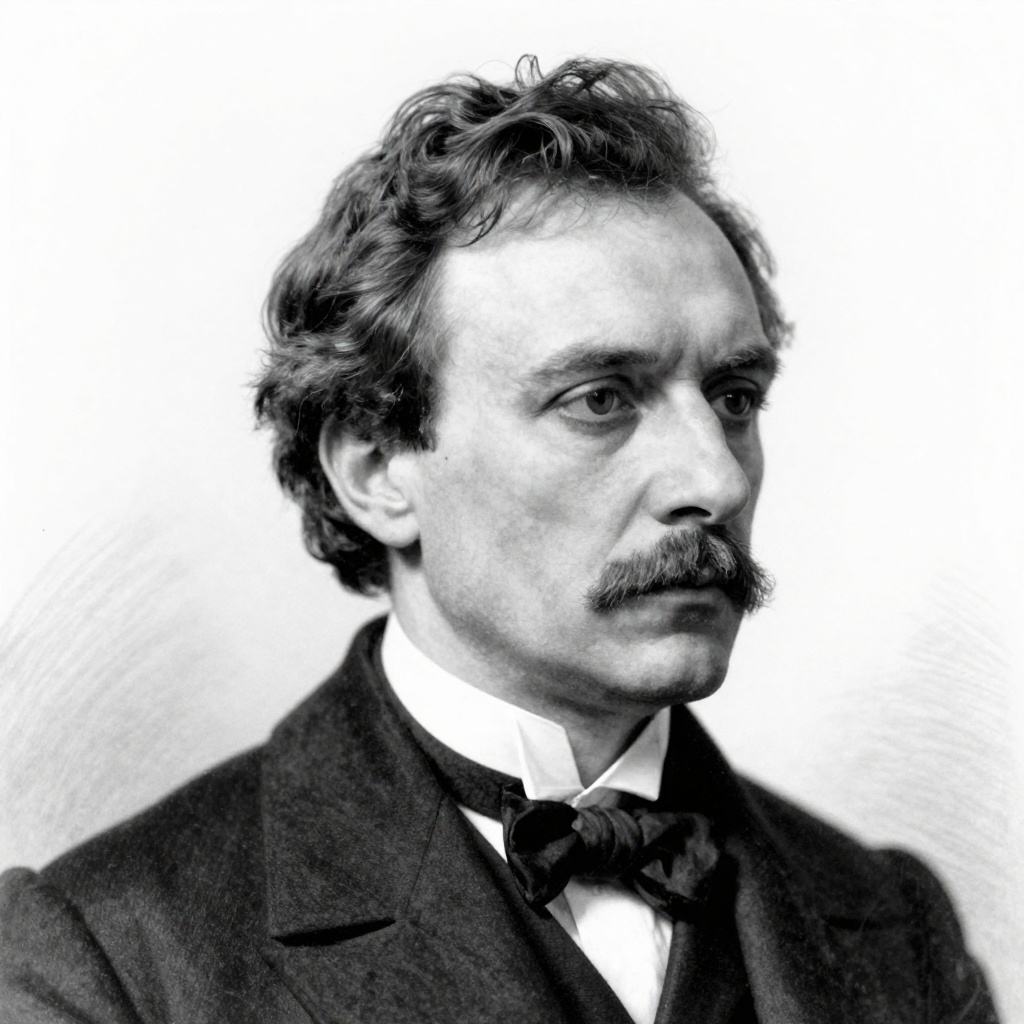
Comments