Quote · Added 9 March 2026
Pain and suffering are always inevitable for a large intelligence and a deep heart. The really great men must, I think, have great sadness on earth.
No ratings yet
Filed underpain·intelligence·sadness
Quote · Added 9 March 2026
Filed underpain·intelligence·sadness
There's something both comforting and unsettling in this idea—that depth of feeling and clarity of mind come with a price. We live in an era obsessed with optimization and happiness hacks, yet Dostoevsky suggests that truly thoughtful, sensitive people are almost guaranteed to suffer more, not less. They see contradictions others miss. They feel injustices that barely register for most. They care about questions that have no clean answers.
What makes this relevant today isn't pessimism—it's permission. We've been sold the fantasy that success, intelligence, and good intentions should make us feel lighter. When they don't, we assume we're doing something wrong. But Dostoevsky points to something real: the more clearly you see the world, the more you're aware of its brokenness. The more you love, the more you're vulnerable to loss. That's not a flaw in your character; it's actually evidence of it.
The counterintuitive part? This recognition can itself be freeing. When you stop expecting pain to disappear once you "figure it out," you can build a life around it instead of against it. Great sadness doesn't mean a wasted life—sometimes it means you're awake.
1821–1881·lived 59 years
Fyodor Dostoevsky (1821–1881) was a renowned Russian writer known for his groundbreaking novels exploring psychological complexities and existential themes. His works, such as "Crime and Punishment" and "The Brothers Karamazov," have had a profound influence on literature, philosophy, and psychology, making him one of the greatest novelists in history.
Also by Fyodor Dostoevsky
Most people don't have original opinions. They just repeat what they heard from someone lo...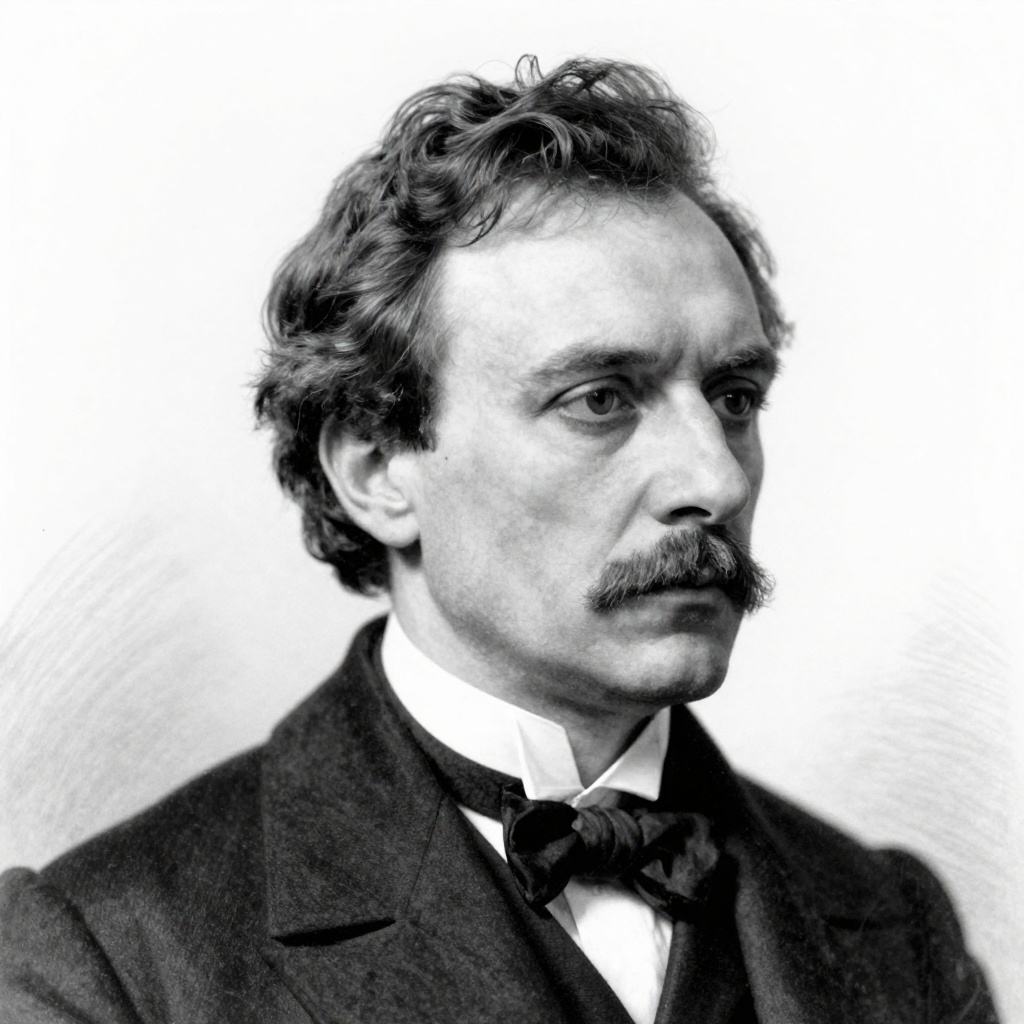
Comments