Quote · Added 10 February 2026
Love and fear. Everything the father of a family says must inspire one or the other.
Fyodor DostoevskyThe Brothers Karamazov, 1880
No ratings yet
Quote · Added 10 February 2026
There's something unsettling about this quote that makes it stick with you. Dostoevsky isn't being romantic—he's describing a kind of weight that comes with authority, especially over people who depend on you. Every word carries consequence. You can't just mumble something and move on; what you say either draws people toward you or pushes them away. For a parent, this is paralyzing until you realize it's also clarifying: most of what matters comes down to those two forces.
The modern twist is that we've tried to squeeze out the "fear" part entirely. We talk about unconditional love and gentle parenting, which has real value, but we've also created a strange vacuum where authority without any weight feels like weakness. Kids don't respect parents who never inspire a little healthy caution. Adults don't inspire teams, or change behavior, or set real boundaries with pure warmth alone. The tension between love and fear isn't a flaw to eliminate—it's the actual structure that makes influence real.
The hardest part isn't choosing one or the other. It's holding both at once: caring enough to be honest, being clear enough that your care actually means something.
1821–1881·lived 59 years
Fyodor Dostoevsky (1821–1881) was a renowned Russian writer known for his groundbreaking novels exploring psychological complexities and existential themes. His works, such as "Crime and Punishment" and "The Brothers Karamazov," have had a profound influence on literature, philosophy, and psychology, making him one of the greatest novelists in history.
Also by Fyodor Dostoevsky
Most people don't have original opinions. They just repeat what they heard from someone lo...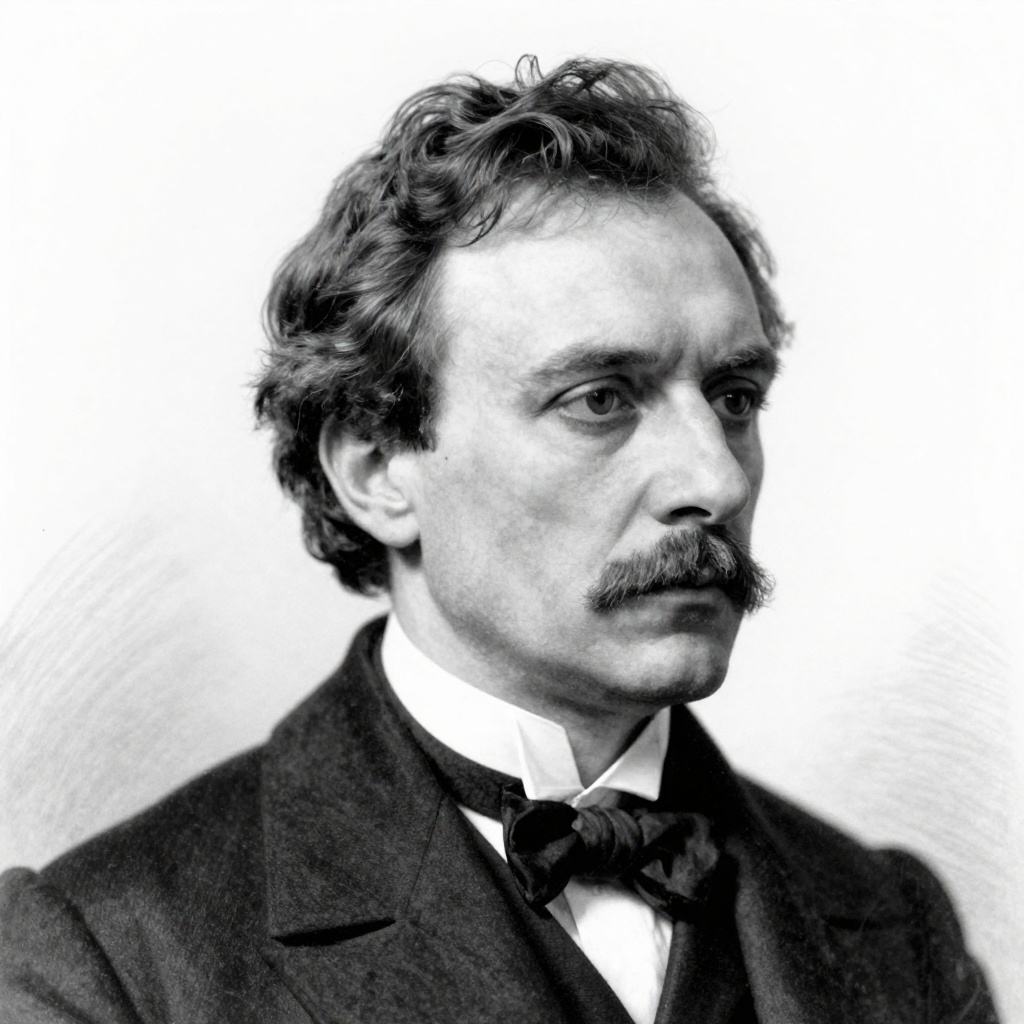
Comments