Quote · Added 14 February 2026
'Kane Deprived of meaningful work, men and women lose their reason for existence; they go stark, raving mad.
No ratings yet
Quote · Added 14 February 2026
We often think depression and anxiety come from external things—bad relationships, money problems, illness. But Dostoevsky points to something quieter and more insidious: the slow erosion that happens when work feels pointless. Not work itself, but meaningless work. There's a real difference between being exhausted by a job you believe in and being hollowed out by one that feels like going through motions.
This hits differently now. We're surrounded by people stuck in roles that don't engage them—the endless meetings that could've been emails, the tasks designed more to look productive than actually accomplish anything. The mental toll isn't always dramatic. It's more like a slow leak of purpose. You stop sleeping well. You start irritating people close to you for no clear reason. You feel vaguely untethered.
The surprising part? This applies even to people who have freedom—retirees who suddenly feel lost, wealthy people without projects, anyone between meaningful pursuits. Our brains seem hardwired to need the friction of real work, something that requires us, something that matters. Burnout isn't always about doing too much. Sometimes it's about doing nothing that counts.
1821–1881·lived 59 years
Fyodor Dostoevsky (1821–1881) was a renowned Russian writer known for his groundbreaking novels exploring psychological complexities and existential themes. His works, such as "Crime and Punishment" and "The Brothers Karamazov," have had a profound influence on literature, philosophy, and psychology, making him one of the greatest novelists in history.
Also by Fyodor Dostoevsky
Most people don't have original opinions. They just repeat what they heard from someone lo...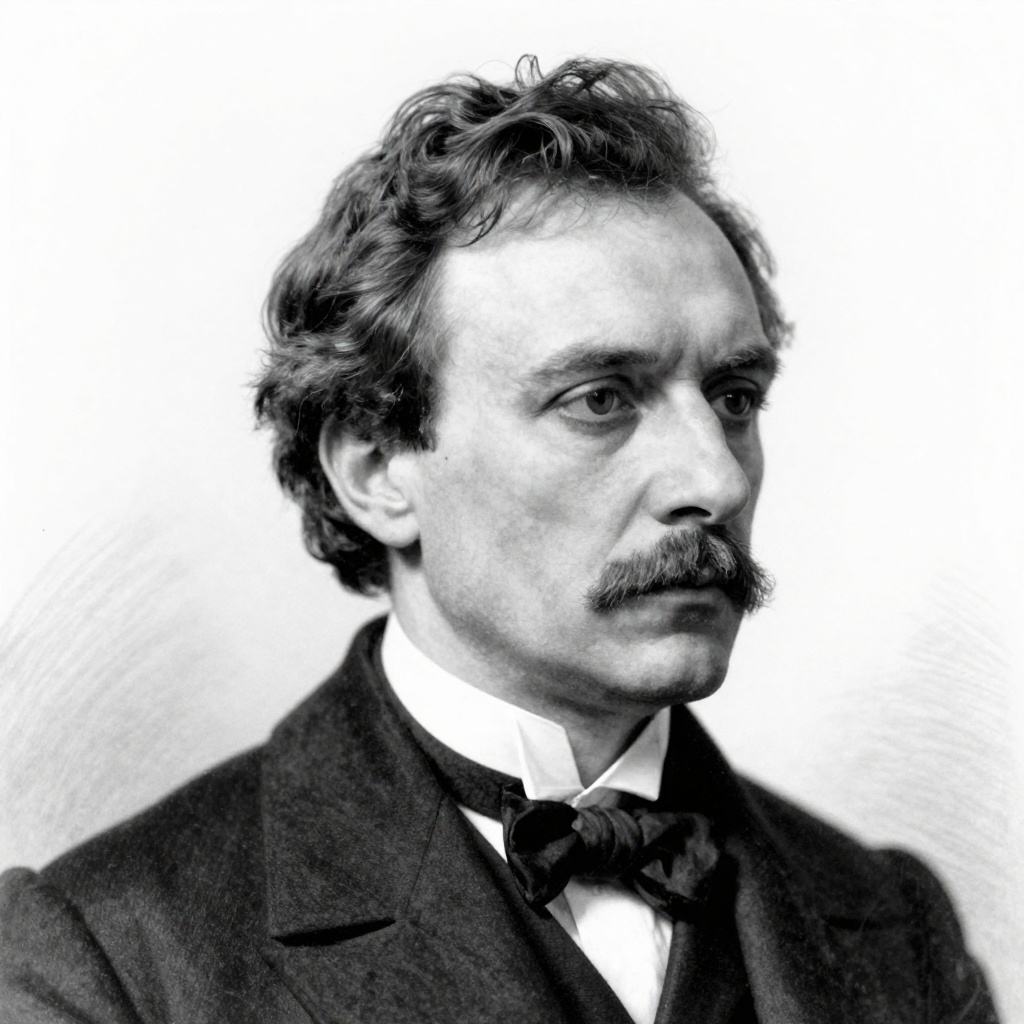
Comments