Quote · Added 17 February 2026
For the secret of human existence lies not only in living but in knowing what to live for.
No ratings yet
Quote · Added 17 February 2026
Most of us are pretty good at the living part. We wake up, work, scroll, eat, sleep, repeat. The machinery keeps running. But Dostoevsky is pointing at something quieter and more unsettling: that just keeping the engine going isn't actually enough. Without some kind of answer to "what for?" — even a personal, messy, imperfect one — you're essentially on autopilot, and autopilot gets lonely.
The tricky part is that knowing what to live for isn't some grand revelation you discover once and then you're set. It's more like a compass that needs regular recalibration. Maybe right now it's your kids, or a project, or fixing something you broke. Maybe it's just showing up better than you did yesterday. The point is, the moment you stop asking the question — the moment you assume you already know or that it doesn't matter — that's when life starts feeling hollow, even when it looks fine from the outside.
What Dostoevsky understood is that meaning isn't a luxury feature. It's the actual difference between existing and living. Without it, even your accomplishments feel like they're happening to someone else.
1821–1881·lived 59 years
Fyodor Dostoevsky (1821–1881) was a renowned Russian writer known for his groundbreaking novels exploring psychological complexities and existential themes. His works, such as "Crime and Punishment" and "The Brothers Karamazov," have had a profound influence on literature, philosophy, and psychology, making him one of the greatest novelists in history.
Also by Fyodor Dostoevsky
Most people don't have original opinions. They just repeat what they heard from someone lo...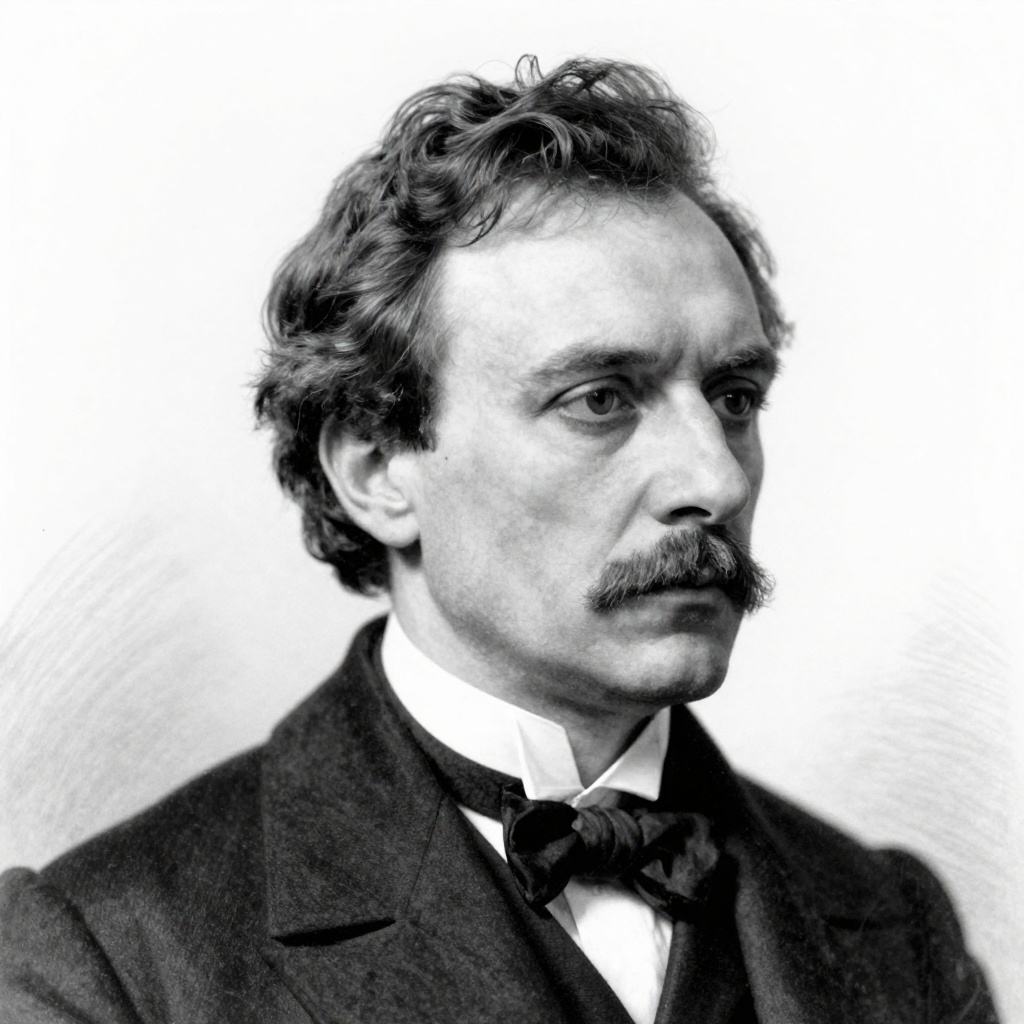
Comments