Quote · Added 25 August 2023
Deprived of meaningful work, men and women lose their reason for existence; they go stark, raving mad.
No ratings yet
Quote · Added 25 August 2023
There's something almost primal about needing work that matters. Not just any work—but something that feels like it's pointing toward something real. When you're doing something that actually connects to a purpose, even a modest one, there's a kind of sense-making that happens. Your days have structure, your effort has a direction, and you're not just killing time until you die.
The flip side is darker than just boredom. When people lose that thread, something genuinely breaks. We see it in the unemployed person whose days blur together, in the overqualified worker stuck in busywork, in the retiree who suddenly has no reason to get up. It's not just about money or keeping busy—it's about mattering. Without that, people spiral into depression, anxiety, or the kind of restlessness that no Netflix binge can fix.
What's worth noticing is how this applies even to supposedly "privileged" situations. You can be wealthy and idle, or stuck in a job that pays well but means nothing, and feel exactly this erosion. Dostoevsky wasn't being dramatic. He was naming something real: humans don't just need to exist. We need to exist for something. When that disappears, the mind genuinely struggles to hold itself together.
1821–1881·lived 59 years
Fyodor Dostoevsky (1821–1881) was a renowned Russian writer known for his groundbreaking novels exploring psychological complexities and existential themes. His works, such as "Crime and Punishment" and "The Brothers Karamazov," have had a profound influence on literature, philosophy, and psychology, making him one of the greatest novelists in history.
Also by Fyodor Dostoevsky
Most people don't have original opinions. They just repeat what they heard from someone lo...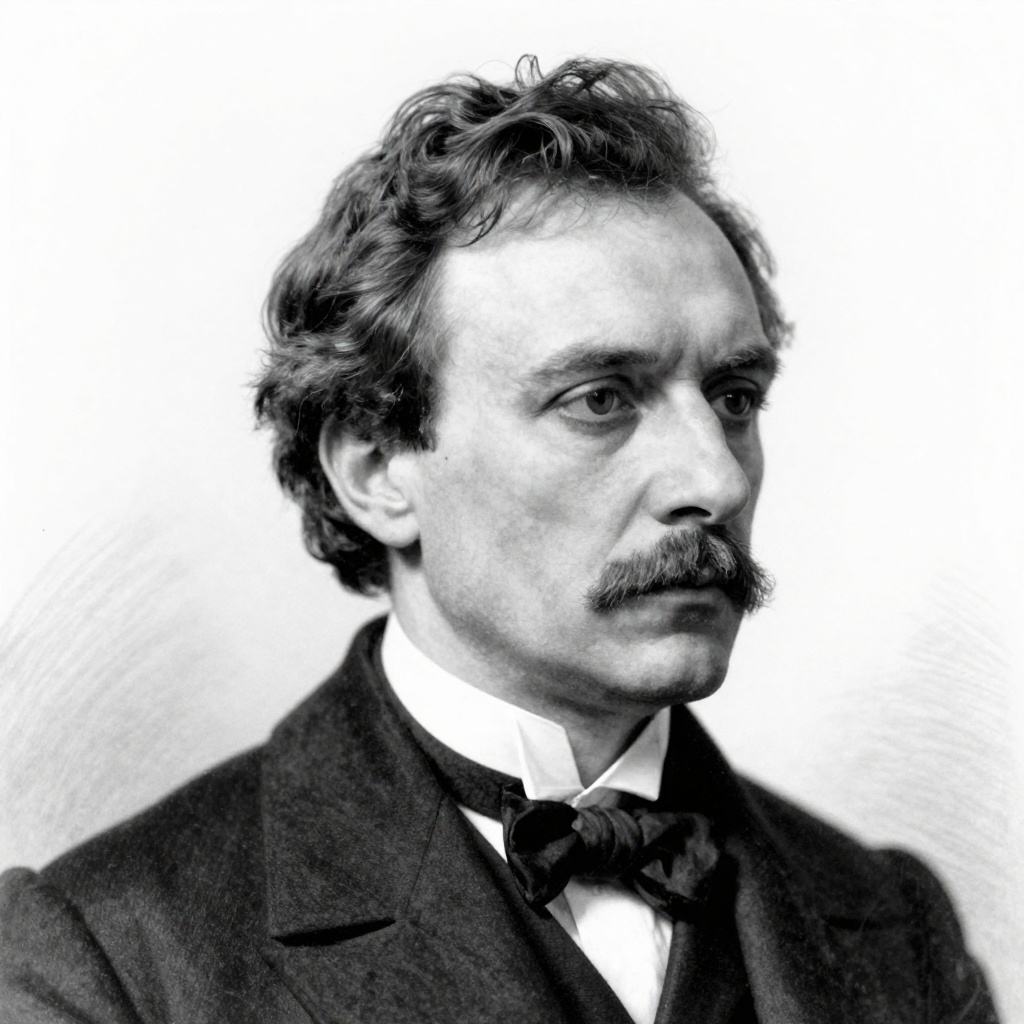
Comments