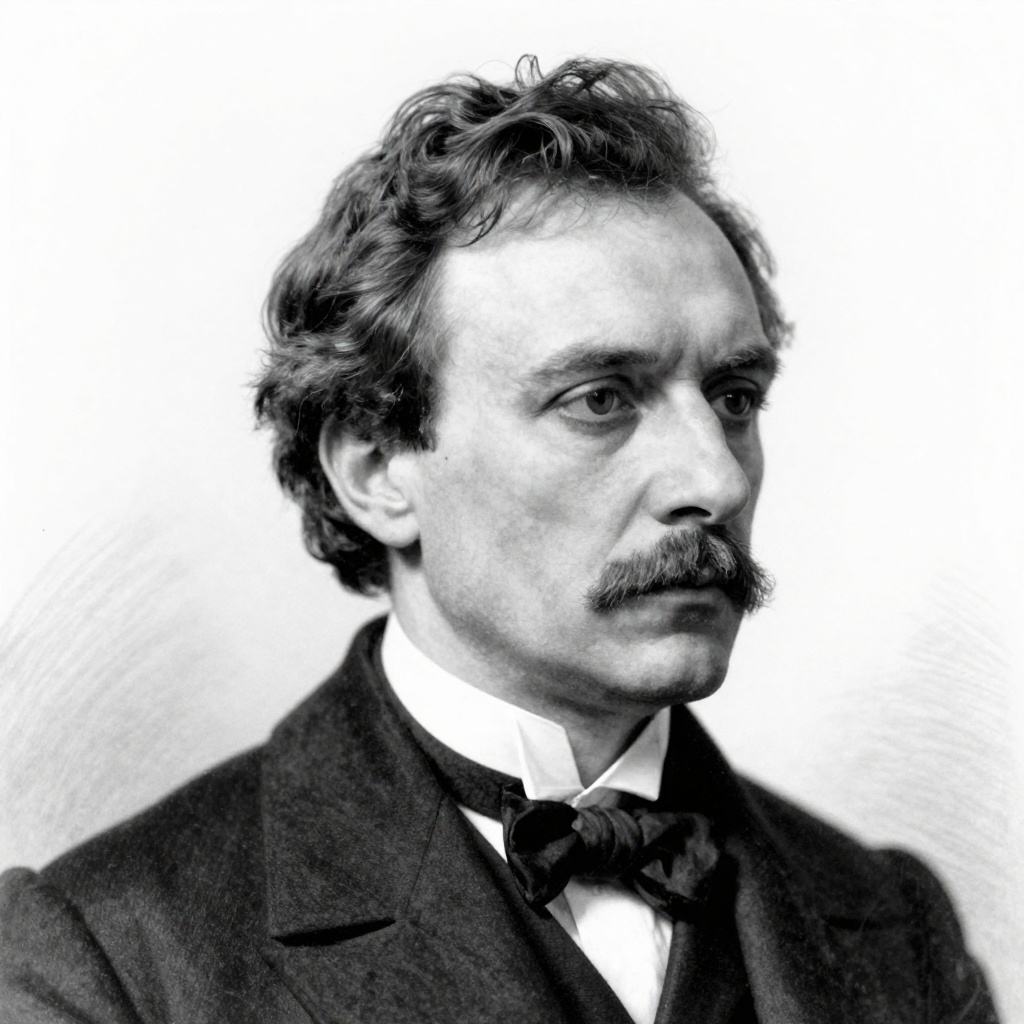
A real gentleman, even if he loses everything he owns, must show no emotion. Money must be so far beneath a ge... — Fyodor Dostoevsky

A real gentleman, even if he loses everything he owns, must show no emotion. Money must be so far beneath a gentleman that it is hardly worth troubling about.

Author: Fyodor Dostoevsky

Insight: There's a particular kind of suffering baked into this idea—the expectation that a man should absorb catastrophic loss without flinching, that caring about money reveals something shameful about your character. Dostoevsky understood how this logic traps people, especially in societies obsessed with status. The "real gentleman" becomes someone performing composure while potentially falling apart inside, treating financial ruin like a minor inconvenience rather than something that might threaten his family's survival or his own dignity. What's worth noticing is how Dostoevsky wasn't really endorsing this code—he was diagnosing it. His novels are full of characters destroyed by this very contradiction: men who won't admit they're desperate, who'd rather starve than show they care about money, because admitting need feels like admitting weakness. We still see this played out today, just in different costumes. People stay silent about job loss or debt, treating financial struggle like a personal failure rather than circumstance. The pressure to appear unbothered by practical concerns hasn't disappeared; it's just shifted from drawing rooms to LinkedIn profiles and casual conversation. The quietly radical move might be the opposite: recognizing that caring about money, being honest about financial anxiety, doesn't diminish your character. It makes you human. Real dignity isn't about detachment from reality—it's about facing it clearly.

The gentleman who starves in silence

A real gentleman, even if he loses everything he owns, must show no emotion. Money must be so far beneath a gentleman that it is hardly worth troubling about.

There's a particular kind of suffering baked into this idea—the expectation that a man should absorb catastrophic loss without flinching, that caring about money reveals something shameful about your character. Dostoevsky understood how this logic traps people, especially in societies obsessed with status. The "real gentleman" becomes someone performing composure while potentially falling apart inside, treating financial ruin like a minor inconvenience rather than something that might threaten his family's survival or his own dignity.

What's worth noticing is how Dostoevsky wasn't really endorsing this code—he was diagnosing it. His novels are full of characters destroyed by this very contradiction: men who won't admit they're desperate, who'd rather starve than show they care about money, because admitting need feels like admitting weakness. We still see this played out today, just in different costumes. People stay silent about job loss or debt, treating financial struggle like a personal failure rather than circumstance. The pressure to appear unbothered by practical concerns hasn't disappeared; it's just shifted from drawing rooms to LinkedIn profiles and casual conversation.

The quietly radical move might be the opposite: recognizing that caring about money, being honest about financial anxiety, doesn't diminish your character. It makes you human. Real dignity isn't about detachment from reality—it's about facing it clearly.

AI generated

Comments

Sign in to leave a comment or reply to one.

Sign in

Fyodor Dostoevsky

Fyodor Dostoevsky (1821–1881) was a renowned Russian writer known for his groundbreaking novels exploring psychological complexities and existential themes. His works, such as "Crime and Punishment" and "The Brothers Karamazov," have had a profound influence on literature, philosophy, and psychology, making him one of the greatest novelists in history.

Graph

Related