Quote · Added 14 February 2026
What is the good of experience if you do not reflect?
No ratings yet
Filed underexperience·reflection·knowledge
Quote · Added 14 February 2026
Filed underexperience·reflection·knowledge
Most of us move through life at speed, collecting moments like frequent flyer miles without really examining them. We get hurt and move on. We succeed and forget to notice what worked. We repeat the same argument with a loved one and never quite ask ourselves why. Frederick the Great's question cuts through this thoughtless motion: experience alone doesn't make you wiser. It just makes you older.
The twist is that reflection is actually harder than experience. Anyone can live through something. But stopping to think about what it meant, what you could have done differently, what it revealed about yourself or how the world works—that requires real effort. It means sitting with discomfort instead of scrolling past it. Yet without this pause, you're essentially a pinball bouncing off the same walls repeatedly, wondering why the game never changes.
The people who tend to grow—who actually learn from their relationships, their failures, their successes—aren't necessarily the ones with the most dramatic stories. They're the ones who take time to process, who ask themselves hard questions, who notice patterns. Experience is just raw material. Reflection is what transforms it into actual wisdom.
1712–1786·lived 74 years
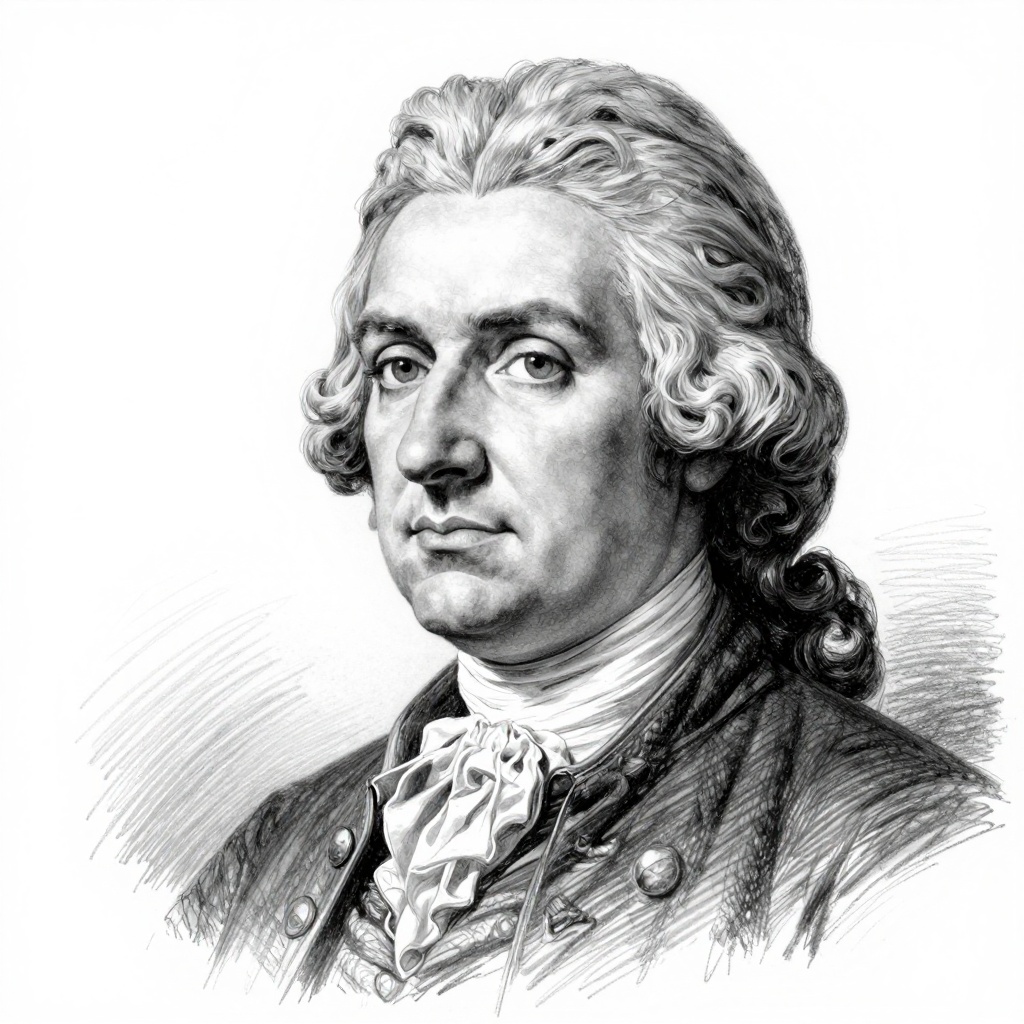
Frederick the Great, born on January 24, 1712, was the King of Prussia from 1740 until 1786. He is known for his military genius, significant reforms in the arts and governance, and his role in establishing Prussia as a major European power through a series of successful wars, particularly the Silesian Wars and the Seven Years' War. His reign is often associated with the Enlightenment, as he fostered cultural development and religious tolerance.
Comments