Quote · Added 14 February 2026
Life is only a long and bitter suicide, and faith alone can transform this suicide into a sacrifice.
Franz LisztLetters of Franz Liszt, p. 123, 1989
No ratings yet
Filed undersuicide·faith·transformation
Quote · Added 14 February 2026
Filed undersuicide·faith·transformation
Most of us don't think of everyday life as "suicide," but Liszt is pointing at something real: the slow grinding surrender we all do. You wake up, you work, you handle obligations, you age—and without something meaningful anchoring it all, it can feel like you're just going through motions that wear you down. The difference between mere endurance and actual living, he suggests, isn't circumstance. It's meaning.
What makes this idea stick is that he's not being cheerful or naive. He's saying life is hard—genuinely difficult—and pretending otherwise won't help. But then he pivots to something crucial: faith (or you might call it purpose, conviction, or commitment to something larger than yourself) doesn't make life easier. It transforms the experience itself. The same difficult day becomes different when you're doing it for something, not just to survive it.
The tricky part is that faith here doesn't arrive like a lightning bolt. It's something you decide to build, often through small acts of choosing meaning over comfort, contribution over coasting. That choice—renewed quietly each day—is what separates trudging through existence from actually living it.
1811–1886·lived 74 years
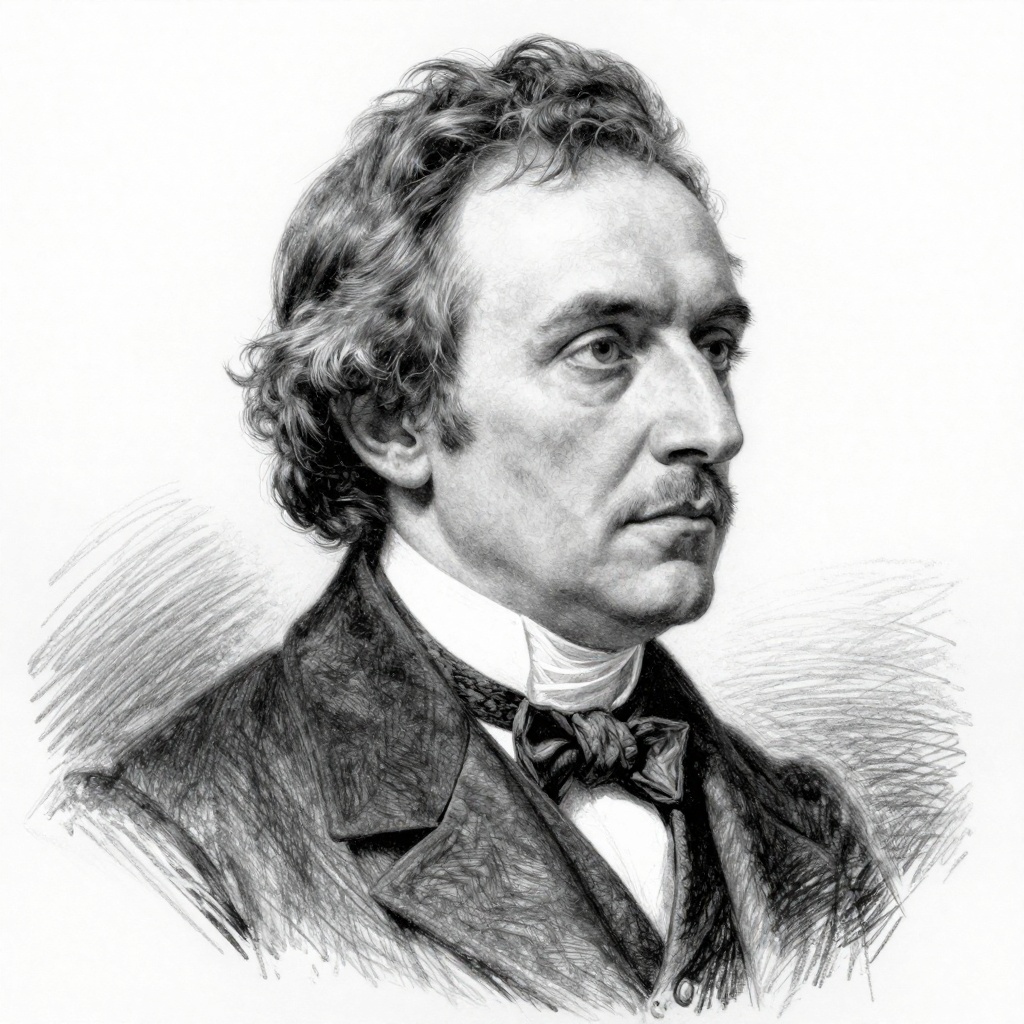
Franz Liszt (1811-1886) was a Hungarian composer, pianist, conductor, and music teacher, renowned for his virtuosity on the piano and his innovative compositions. He is best known for his solo piano works, symphonic poems, and contributions to the development of the modern piano recital. Liszt was a prominent figure in the Romantic music era and also played a significant role in promoting other composers' works.
Comments