Quote · Added 14 February 2026
Reading
AI generatedWhen Worry Becomes the Weight
Most of us carry our worries like luggage we're afraid to put down, convinced that constant vigilance somehow keeps bad things from happening. We rehash conversations, mentally prepare for disasters that might never come, and treat anxiety like a responsible adult thing to do. But there's a strange paradox here: the burden doesn't actually make us safer or more prepared. It just makes us tired.
This idea of "casting your cares" isn't really about pretending problems don't exist. It's about recognizing the difference between acknowledging what's hard and drowning in it. When you actually hand something over—whether that's to faith, to trusted people, to time, or to the simple reality that you've done what you can—something shifts. You stop bearing the full weight alone. That anchor metaphor is key: it's not that your concerns vanish, but they become fixed to something solid instead of pulling you under.
In practical terms, this speaks to why people feel so much lighter after talking to someone they trust, or why compartmentalizing worry into specific times rather than carrying it all day actually works. We're not designed to white-knuckle through everything. The relief you feel when you finally stop trying to control the uncontrollable isn't weakness or surrender—it's just sanity.
The author
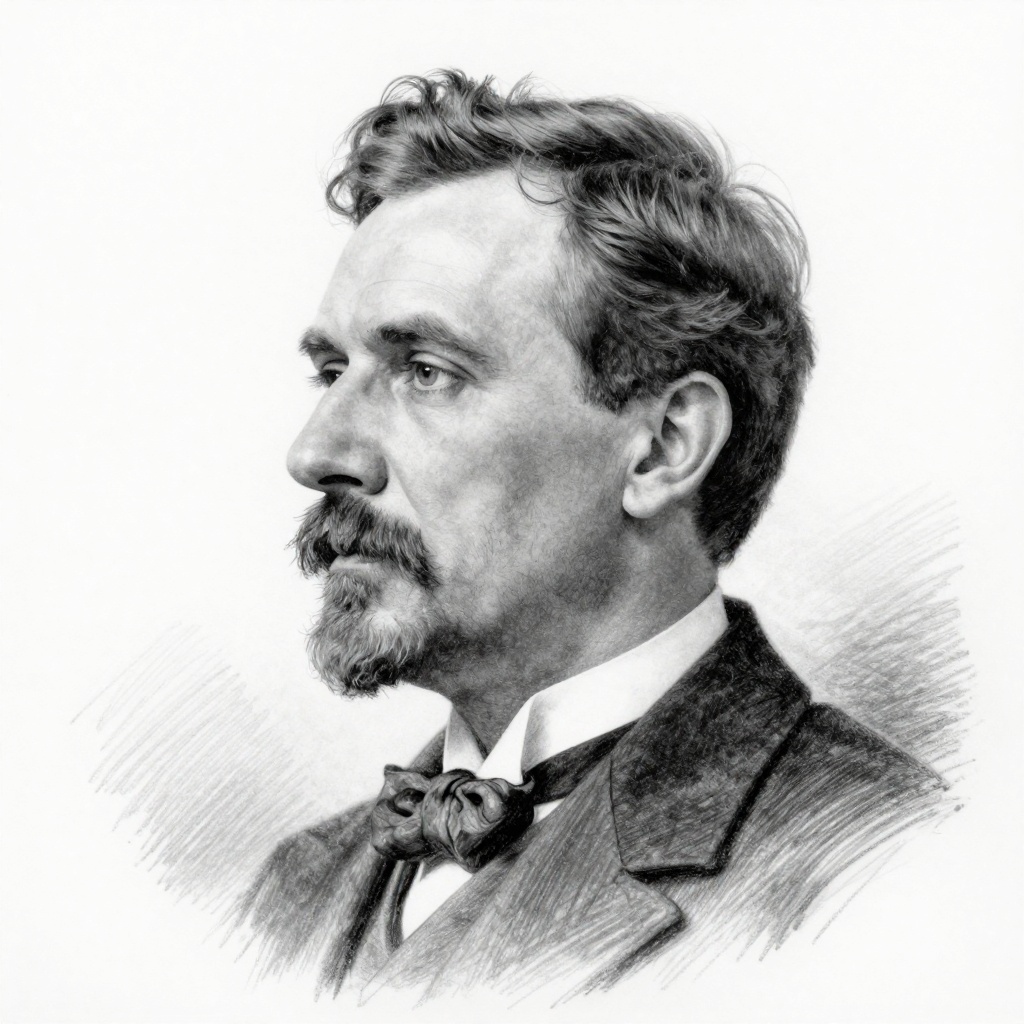
Frank Moore Colby
1865–1968·lived 103 years
Frank Moore Colby was an American writer and editor, born on February 15, 1865. He is best known for his work as the editor of various publications, including the "New International Encyclopedia," and for his contributions to literature, particularly in essay writing and biographical works. Colby was also a prominent figure in the early 20th-century literary scene.
Comments