Quote · Added 14 February 2026
It is my feeling that Time ripens all things; with Time all things are revealed; Time is the father of truth.
Filed undertime·truth·revelation
Quote · Added 14 February 2026
Filed undertime·truth·revelation
Most of us want answers now. We refresh our email, we Google our symptoms, we demand clarity in the moment. But there's something deeply true about the simple fact that some things genuinely can't be rushed. A relationship doesn't reveal whether it's real until months or years have passed. A decision that felt urgent and obvious today often looks completely different six months later. Time does something no amount of effort or analysis can do—it strips away the noise and shows you what actually matters.
The tricky part is that waiting feels passive, even weak. We're taught to be decisive, to solve things quickly, to move forward. Yet Rabelais is pointing at something we all eventually learn: the truth has its own timeline. You can't force maturity in a person, can't rush a wound to healing, can't hurry a child into understanding something they're not ready for. The revelations that come from experience—real understanding, not just information—require time to work through us.
This matters most when you're stuck in doubt or confusion. Instead of torturing yourself for immediate certainty, sometimes the kindest thing is to acknowledge that the answer might simply be waiting in the future. Keep moving, keep showing up, keep learning—and let time do its work. The truth that emerges later tends to be sturdier than the one you forced yesterday.
1494–1553·lived 59 years
François Rabelais was a French Renaissance writer, physician, and humanist, born around 1494. He is best known for his satirical novels, particularly "Gargantua and Pantagruel," which explore themes of education, humanism, and the folly of societal norms through the adventures of giant protagonists. Rabelais' work is celebrated for its wit, humor, and its critical perspective on contemporary society.
Also by Francois Rabelais
Gestures, in love, are incomparably more attractive, effective and valuable than words.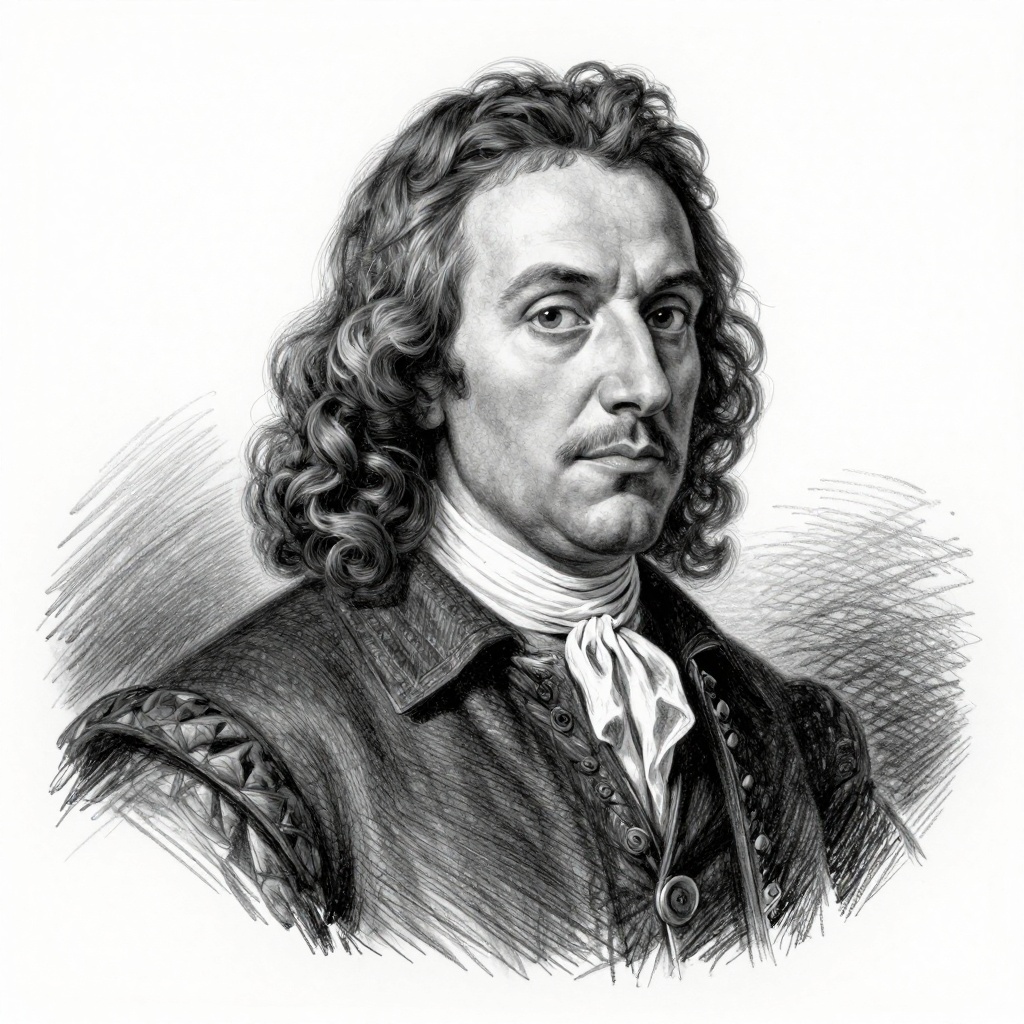
Comments