Quote · Added 14 February 2026
Gestures, in love, are incomparably more attractive, effective and valuable than words.
Filed undergestures·love·communication
Quote · Added 14 February 2026
Filed undergestures·love·communication
We live in an age of elaborate declarations. People craft perfect text messages, write heartfelt notes, post public tributes. Yet most of us know the hollow feeling of being told something beautiful while the person saying it scrolls through their phone. Meanwhile, a partner who quietly makes your coffee the way you like it, or sits with you in silence when you're upset, somehow reaches deeper.
The truth is that words are easy to deploy—almost too easy. They can mask indifference or fill uncomfortable silences without much cost. But a gesture requires presence. It means noticing what someone actually needs rather than what sounds romantic. It means showing up when it's inconvenient, remembering the small thing they mentioned weeks ago, offering help without being asked. These things betray your real priorities in a way words never can.
What makes this insight surprising is that it doesn't diminish communication—it just reminds us that the deepest communication often happens without speaking. The person who learns your rhythms, who anticipates your needs, who acts when they could easily look away: that's someone whose love isn't just performed. That's someone who has actually chosen you, repeatedly, in the small decisions that make up a life together.
1494–1553·lived 59 years
François Rabelais was a French Renaissance writer, physician, and humanist, born around 1494. He is best known for his satirical novels, particularly "Gargantua and Pantagruel," which explore themes of education, humanism, and the folly of societal norms through the adventures of giant protagonists. Rabelais' work is celebrated for its wit, humor, and its critical perspective on contemporary society.
Also by Francois Rabelais
It is my feeling that Time ripens all things; with Time all things are revealed; Time is t...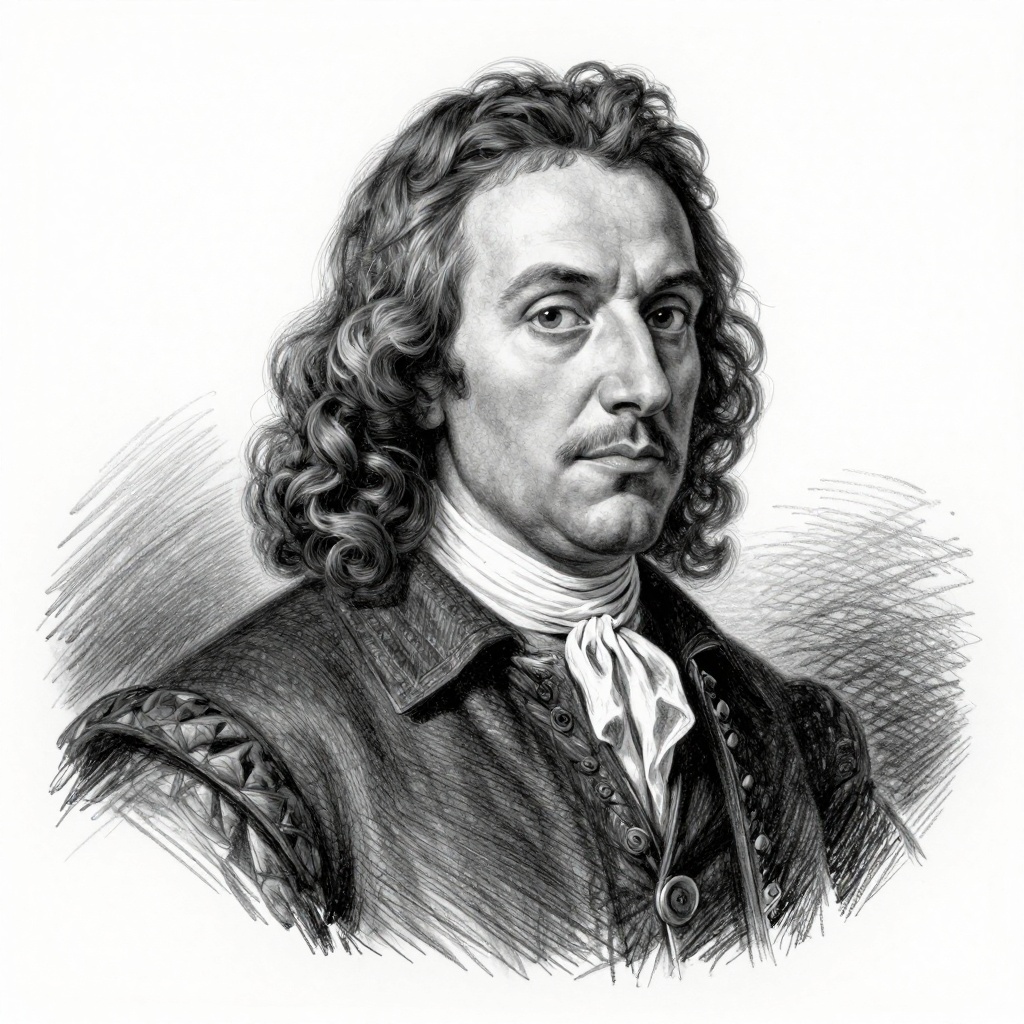
Comments