Quote · Added 9 February 2026
Good advice is something a man gives when he is too old to set a bad example.
François de La RochefoucauldReflections; or Sentences and Moral Maxims
Filed underadvice·wisdom·experience
Quote · Added 9 February 2026
Filed underadvice·wisdom·experience
There's a sting in this observation that most of us recognize immediately. We've all watched someone—a parent, a boss, an older relative—suddenly become very interested in telling us how to live once they're no longer in a position to live that way themselves. It's almost like they've traded in their credibility for authority.
The quote cuts deeper than just calling out hypocrisy though. It suggests that advice often becomes attractive to us precisely when the person giving it no longer poses any real competition or threat. A cautionary tale is easier to hear from someone who's already stepped back from the arena. We listen because they can't really influence us by example anymore—only by words. And maybe that's why their words suddenly land harder, even if they're the same words we ignored when they were actually living them out.
The uncomfortable part? We're all becoming that person. Eventually we'll know things we can no longer do, have learned lessons we can no longer enact. The question isn't whether we'll give advice someday—it's whether we'll have the humility to notice when we're doing it, and the honesty to admit what our advice really is: a late-stage substitute for having actually shown the way.
1613–1680·lived 66 years
François de La Rochefoucauld (1613–1680) was a French author and moralist known for his maxims and reflections on human behavior and relationships. His most famous work, "Réflexions ou sentences et maximes morales," explores the complexities of human nature, focusing on themes such as self-interest, love, and society. La Rochefoucauld's philosophical insights continue to be studied and celebrated for their astute observations of the human condition.
Also by François de La Rochefoucauld
One forgives to the degree that one loves.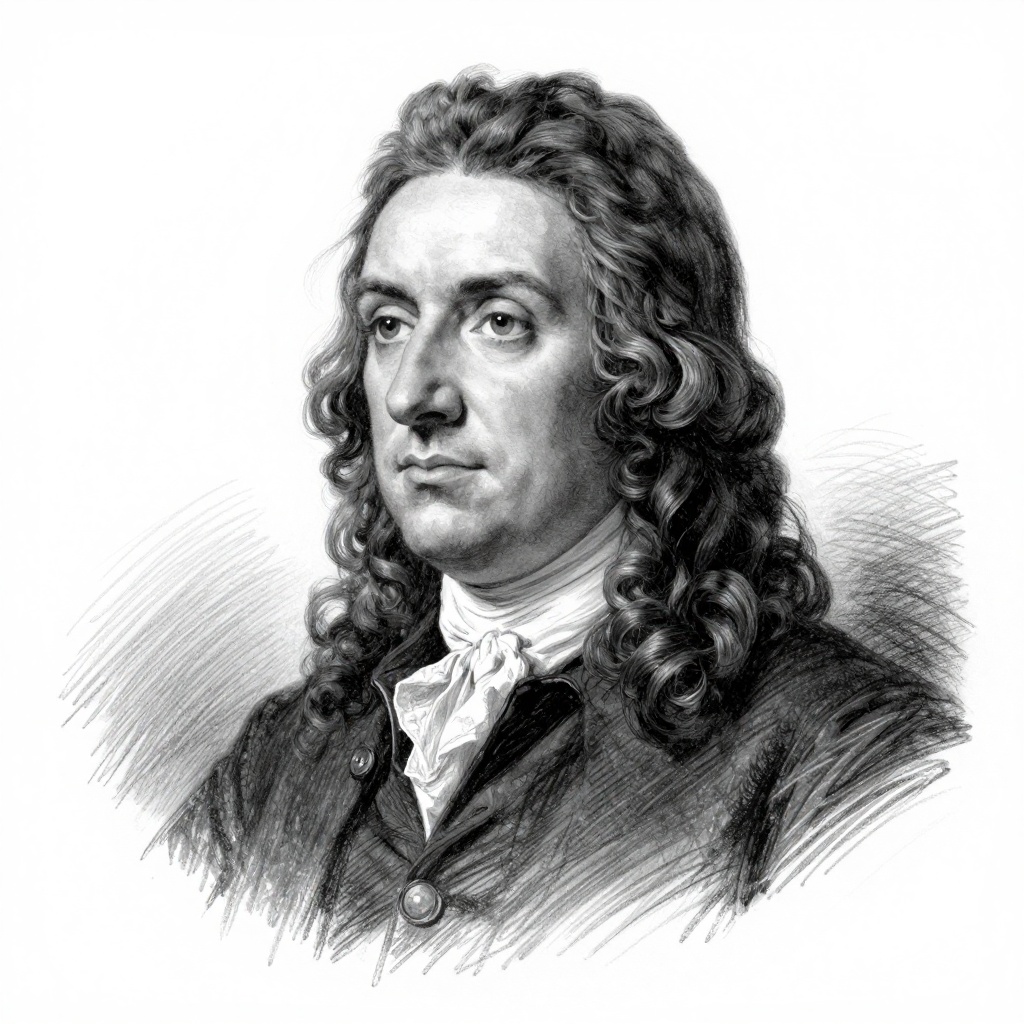
Comments