Quote · Added 7 March 2026
One forgives to the degree that one loves.
Filed underforgiveness·love·relationships
Quote · Added 7 March 2026
Filed underforgiveness·love·relationships
We usually think of forgiveness as something we do despite our feelings—a noble act we perform in spite of hurt or anger. But this quote flips that around: forgiveness isn't separate from love; it's a direct expression of it. The more deeply you care about someone, the more you find yourself willing to let go of what they've done. A parent forgives a child's cruelty more readily than a stranger's small rudeness, not because the child deserves it more, but because the love creates the capacity to absorb the wound without letting it calcify.
This matters because it explains why we get stuck. When forgiveness feels impossible, it's often not because we lack willpower or virtue—it's because we've already let that relationship shrink in our hearts. We've stopped mattering to each other, or started mattering in smaller ways. And sometimes that's appropriate: not every person deserves to stay in our inner circle. But it also means if you find yourself unable to forgive someone you once loved, the real question isn't "should I let this go?" It's "has my love for this person actually changed?" The forgiveness will follow naturally from honest answer.
1613–1680·lived 66 years
François de La Rochefoucauld (1613–1680) was a French author and moralist known for his maxims and reflections on human behavior and relationships. His most famous work, "Réflexions ou sentences et maximes morales," explores the complexities of human nature, focusing on themes such as self-interest, love, and society. La Rochefoucauld's philosophical insights continue to be studied and celebrated for their astute observations of the human condition.
Also by François de La Rochefoucauld
There is nothing more uncommon than common sense.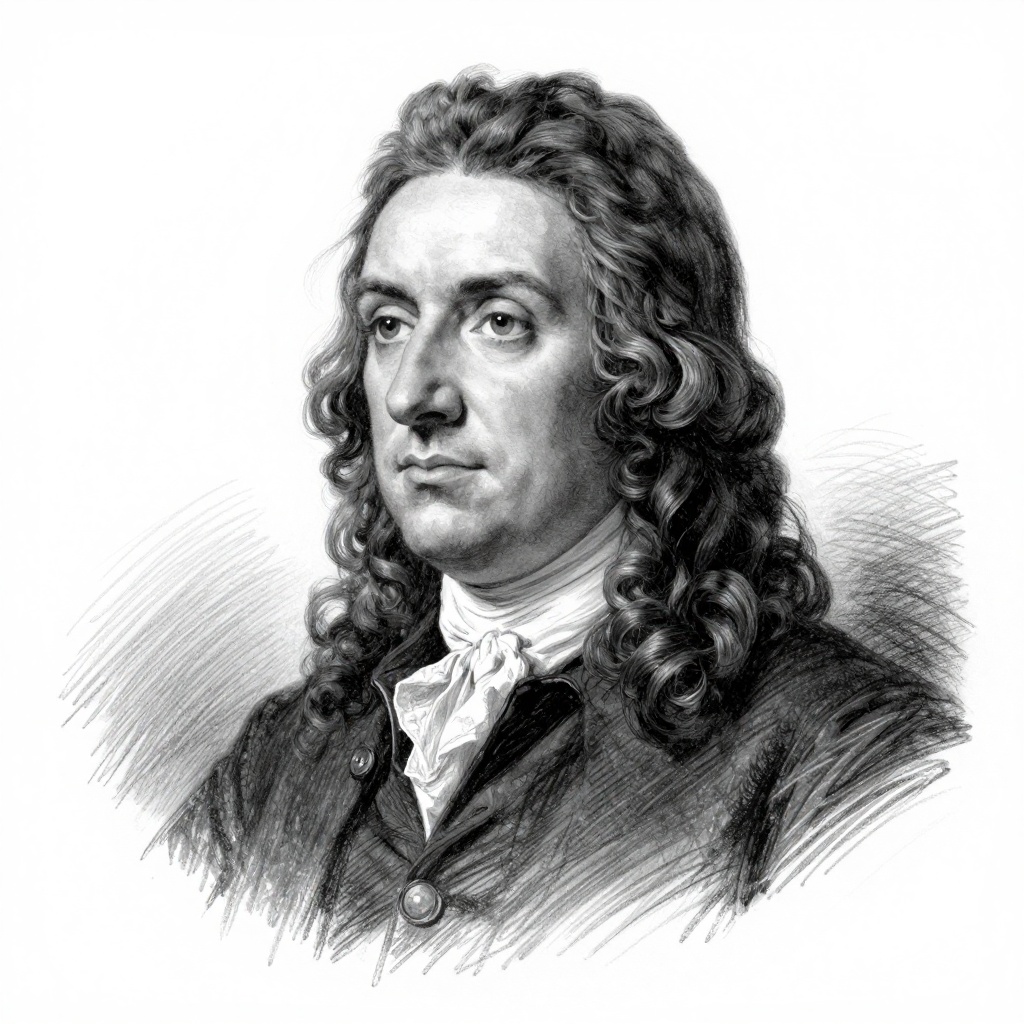
Comments