Quote · Added 26 September 2025
Some books are to be tasted, others to be swallowed, and some few to be chewed and digested.
Francis BaconEssays, Of Studies, 1625
Filed underbooks·knowledge·understanding
Quote · Added 26 September 2025
Filed underbooks·knowledge·understanding
Most of us treat reading like there's one right way to do it. We feel guilty skimming a novel, or reading a self-help book once and moving on. But Bacon's insight flips this around—he's saying that different books deserve different depths of attention, and knowing the difference is actually the skilled move.
A thriller you devour in two days? That's not lazy reading; it's exactly what that book is for. A poetry collection you return to for years, annotating and arguing with? That's something else entirely. The problem isn't how we read, but how often we misjudge which category something falls into. We might "chew and digest" a beach read we didn't need to, or skim a challenging essay that deserved our full attention.
What makes this useful today is that we're drowning in books, articles, podcasts, and videos. Bacon suggests that maturity isn't about reading everything deeply—it's about being honest about what each thing needs from us. Some ideas are meant to entertain or inform quickly; others demand you sit with them, argue back, let them change you slowly. Knowing which is which might matter more than how much you read.
1561–1626·lived 65 years
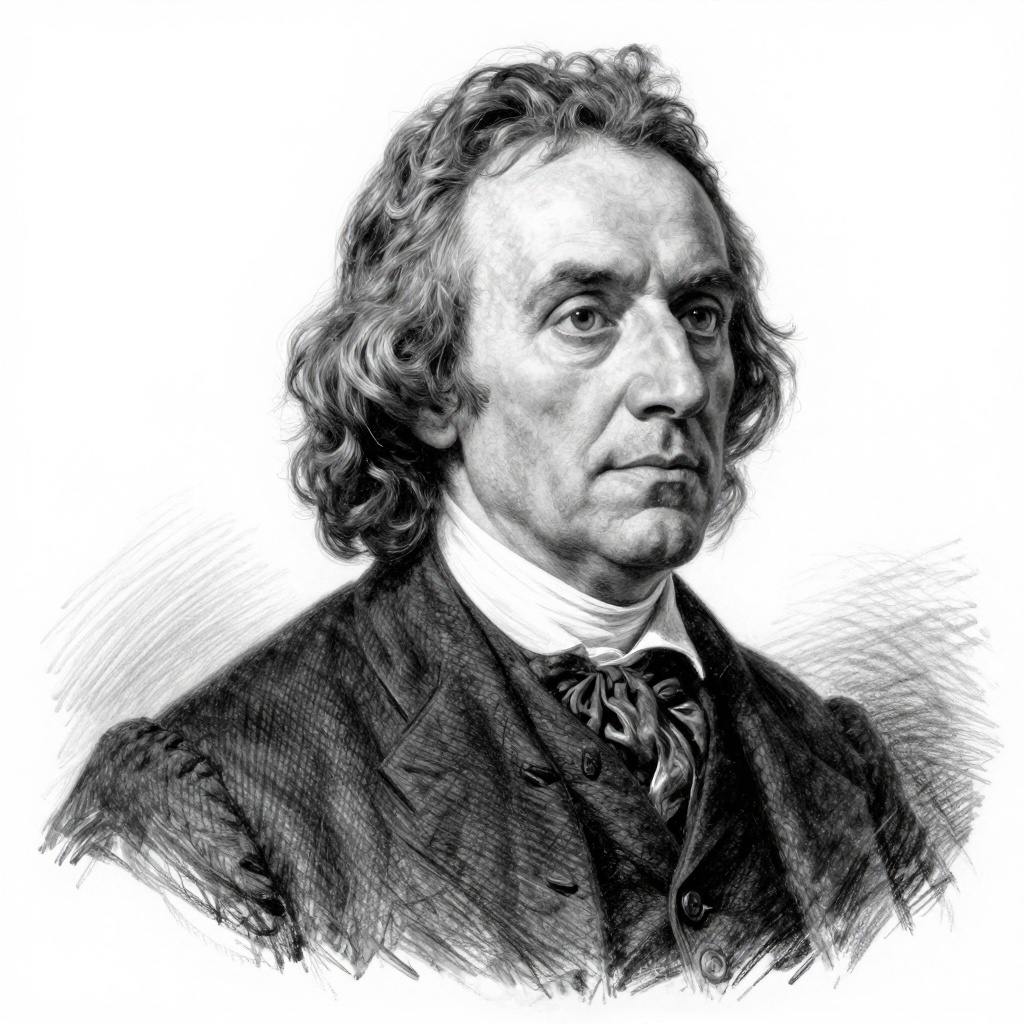
Francis Bacon (1561–1626) was an English philosopher, statesman, scientist, and author. Known as the father of empiricism, Bacon's works laid the groundwork for the scientific method and emphasized the importance of observation and experimentation in the pursuit of knowledge. His contributions to philosophy and science have had a profound impact on the development of modern thought.
Comments