Quote · Added 10 February 2026
Rich men's sons are seldom rich men's fathers.
Francis BaconThe Essays of Francis Bacon/VII Of Parents and Children - Wikisource
Quote · Added 10 February 2026
There's something almost harsh about this observation, yet it rings true in ways we don't always admit. Bacon is pointing out that wealth rarely creates the conditions for its own reproduction—the son born into comfort often lacks the hunger, ingenuity, or resilience that built the fortune in the first place. The self-made father knows how to spot opportunity and push through failure. The pampered son might know how to spend money, but spending and making are entirely different skills.
What makes this insight stick is that it applies beyond just money. The musician's child who never bothers learning an instrument. The athlete's kid who coasts on the family name. The entrepreneur's daughter who inherited confidence but not the curiosity that drove the original success. We tend to think advantages accumulate—that having more should make the next generation even stronger. But advantage can actually be a handicap when it arrives too easily. It removes friction, the very thing that teaches us to try.
This doesn't mean successful parents doom their children, of course. But it suggests something worth thinking about: the most valuable inheritance might not be the money itself, but the story of how it was earned. Teaching kids about hunger matters more than cushioning them from it.
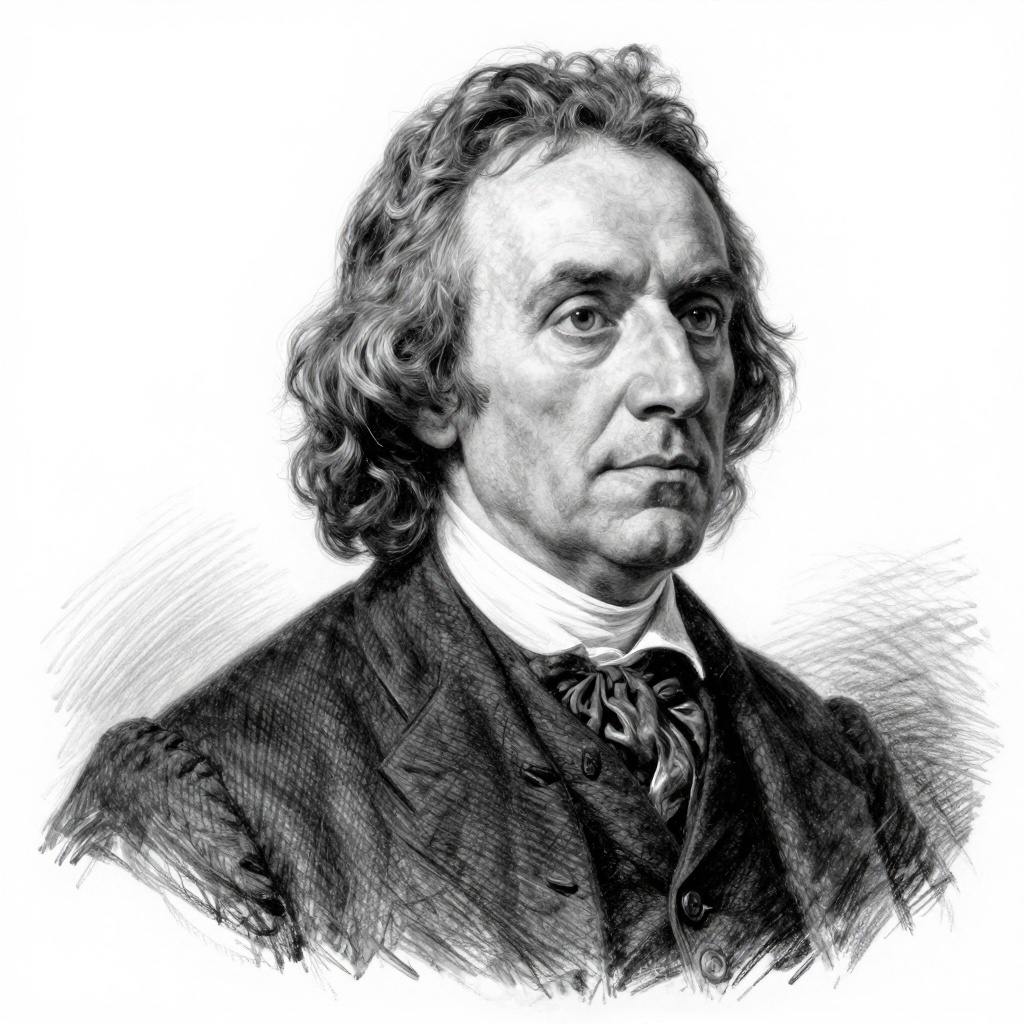
1561–1626·lived 65 years
Francis Bacon (1561–1626) was an English philosopher, statesman, scientist, and author. Known as the father of empiricism, Bacon's works laid the groundwork for the scientific method and emphasized the importance of observation and experimentation in the pursuit of knowledge. His contributions to philosophy and science have had a profound impact on the development of modern thought.
Comments