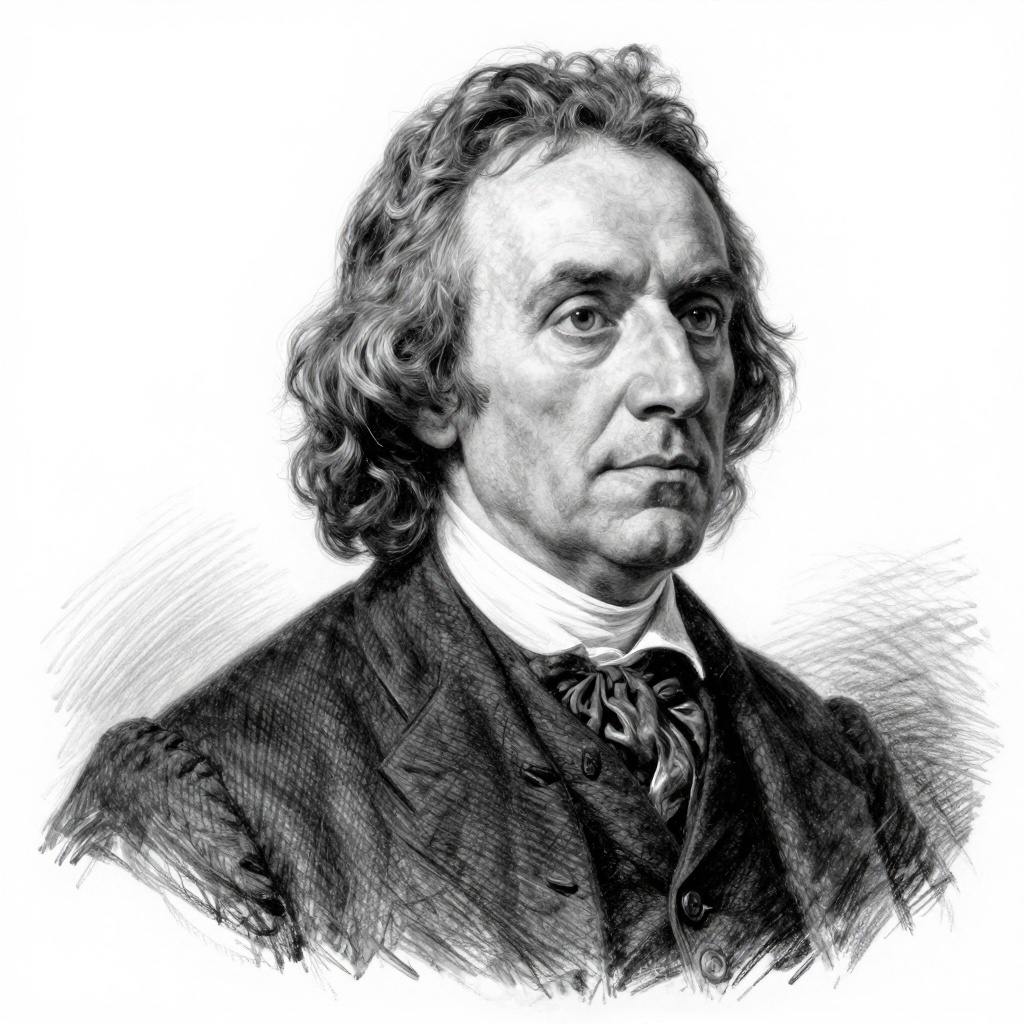
Natural abilities are like natural plants, that need pruning by study; and studies themselves do give forth di... — Francis Bacon

Natural abilities are like natural plants, that need pruning by study; and studies themselves do give forth directions too much at large, except they be bounded in by experience.

Author: Francis Bacon

Insight: We're often told to follow our talents, as if natural ability is a finished product waiting to be discovered. But Bacon suggests something more demanding: your raw talent is actually just potential—messy, overgrown, needing real work to become something useful. A kid who's naturally musical still needs years of practice to actually play well. Intelligence without discipline scatters itself in every direction. The second part cuts the other way though, and it's the part we tend to miss. Pure studying—reading everything, collecting facts, chasing credentials—can make you knowledgeable but oddly helpless. You end up with information that doesn't quite connect to anything real. The insight only lands when you've actually tried something, failed, adjusted, and tried again. Theory needs the friction of real life to become wisdom. The practical takeaway is unglamorous but clarifying: stop waiting for either your natural gifts to bloom on their own or for the perfect system to study. You need both, happening together. Learn something, test it in messy reality, let reality teach you what the books couldn't quite explain. That cycle—talent + study + experience—is where actual competence lives.

Talent needs work, work needs reality

Natural abilities are like natural plants, that need pruning by study; and studies themselves do give forth directions too much at large, except they be bounded in by experience.

We're often told to follow our talents, as if natural ability is a finished product waiting to be discovered. But Bacon suggests something more demanding: your raw talent is actually just potential—messy, overgrown, needing real work to become something useful. A kid who's naturally musical still needs years of practice to actually play well. Intelligence without discipline scatters itself in every direction.

The second part cuts the other way though, and it's the part we tend to miss. Pure studying—reading everything, collecting facts, chasing credentials—can make you knowledgeable but oddly helpless. You end up with information that doesn't quite connect to anything real. The insight only lands when you've actually tried something, failed, adjusted, and tried again. Theory needs the friction of real life to become wisdom.

The practical takeaway is unglamorous but clarifying: stop waiting for either your natural gifts to bloom on their own or for the perfect system to study. You need both, happening together. Learn something, test it in messy reality, let reality teach you what the books couldn't quite explain. That cycle—talent + study + experience—is where actual competence lives.

AI generated

Comments

Sign in to leave a comment or reply to one.

Sign in

Francis Bacon

Francis Bacon (1561–1626) was an English philosopher, statesman, scientist, and author. Known as the father of empiricism, Bacon's works laid the groundwork for the scientific method and emphasized the importance of observation and experimentation in the pursuit of knowledge. His contributions to philosophy and science have had a profound impact on the development of modern thought.

Graph

Related