Quote · Added 1 October 2023
Reading
AI generatedDarkness Makes the Light Visible
We often think of progress as simply adding more good things—more success, more happiness, more light. But this quote points at something we actually experience but rarely name: contrast is what makes anything feel real or valuable. A promotion means little if you've never known struggle at work. A good night's sleep feels transcendent only after you've been exhausted. The joy of connection becomes visible against the backdrop of loneliness.
This doesn't mean we should seek out suffering or romanticize hardship. Rather, it's permission to stop treating difficult periods as interruptions to real life. They're part of the texture that makes the good parts actually register. The darkness isn't the enemy of the light—it's the reason we can see it at all. Someone who's never faced a real setback often can't recognize genuine progress when it arrives. They're still waiting for the "perfect" condition where everything is bright all at once, which never comes.
The trick is accepting that valleys aren't failures of the system. They're how we develop the capacity to appreciate heights. That doesn't mean wallowing, but it does mean being gentler with yourself during the darker stretches, knowing they're sharpening your ability to recognize and hold onto the good when it arrives.
The author
All 24 quotes by Francis Bacon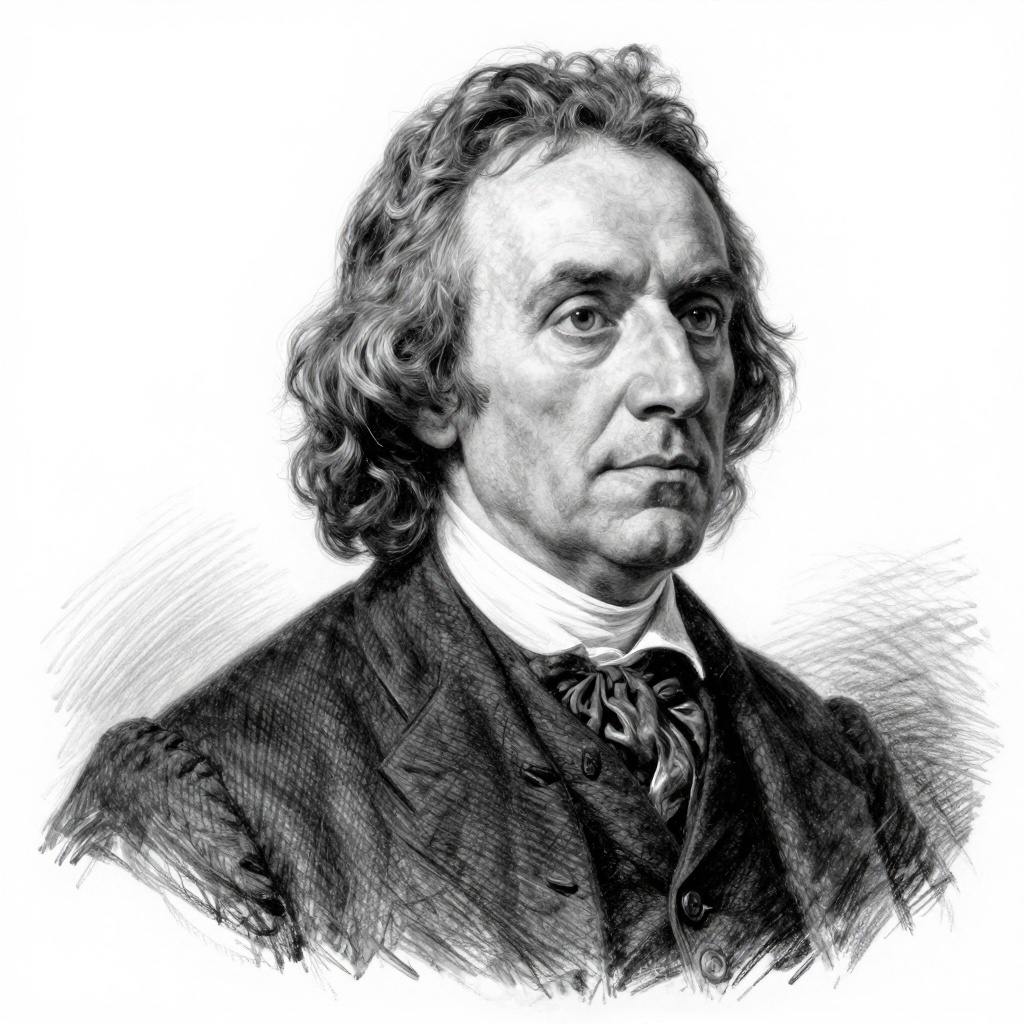
Francis Bacon
1561–1626·lived 65 years
Francis Bacon (1561–1626) was an English philosopher, statesman, scientist, and author. Known as the father of empiricism, Bacon's works laid the groundwork for the scientific method and emphasized the importance of observation and experimentation in the pursuit of knowledge. His contributions to philosophy and science have had a profound impact on the development of modern thought.
Comments