Quote · Added 14 February 2026
Women have no sympathy and my experience of women is almost as large as Europe.
Florence NightingaleEver Yours, Florence Nightingale: Selected Letters, p. 230, 1990
Filed underwomen·experience·sympathy
Quote · Added 14 February 2026
Filed underwomen·experience·sympathy
Florence Nightingale had spent her career fighting entrenched systems—bureaucracies, medical establishments, and the assumptions of her own privileged class. When she made this cutting remark, she wasn't being cynical for effect. She'd watched women, given the chance to help her revolutionize nursing and public health, hold back, gossip, or protect their social standing instead. She'd seen how women could be each other's worst obstacles, how proximity to power sometimes breeds competition rather than solidarity.
The sting of this observation is that it doesn't come from outside contempt—it comes from someone who wanted women to be different, to be better. Nightingale had hoped to build something with other women and found herself disappointed. We still live with this dynamic. Women in leadership still report that other women are sometimes their hardest critics or least reliable allies. Not because women are inherently unsympathetic, but because scarcity breeds calculation. When opportunity feels limited, people protect their own position rather than reach back.
What makes Nightingale's statement sting across centuries is that it names something we're uncomfortable saying: solidarity isn't automatic, especially when the stakes are high and resources feel thin. Real sympathy—the kind that actually changes things—requires choosing generosity when you're exhausted or threatened. That's harder than the concept alone suggests.
1820–1910·lived 90 years
Florence Nightingale (1820–1910) was a pioneering English nurse known for her work during the Crimean War. She is acclaimed for her efforts in significantly improving medical care and sanitation practices in hospitals, and is considered the founder of modern nursing.
Also by Florence Nightingale
The world is put back by the death of every one who has to sacrifice the development of hi...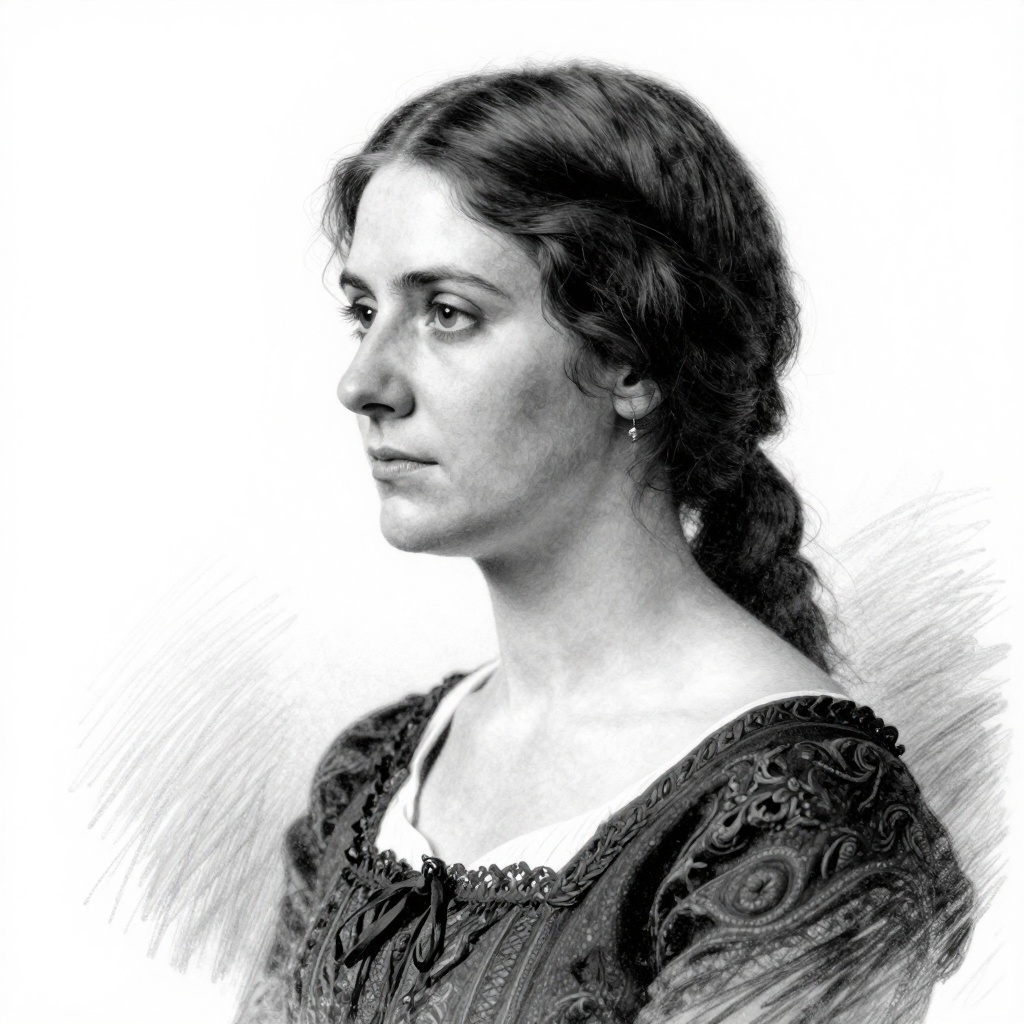
Comments